Boat Storage in Montrose, CO: Options, Costs, and What to Look For |
| BOAT STORAGE IN MONTROSE, CO: OPTIONS, COSTS, AND WHAT TO LOOK FOR
⏱ 14 min read ·
📄 #2,648 words
Find boat storage in Montrose, CO from $55 to $495 per month. Compare open parking, covered, and drive-up options plus essential tips for protecting your vessel.
|
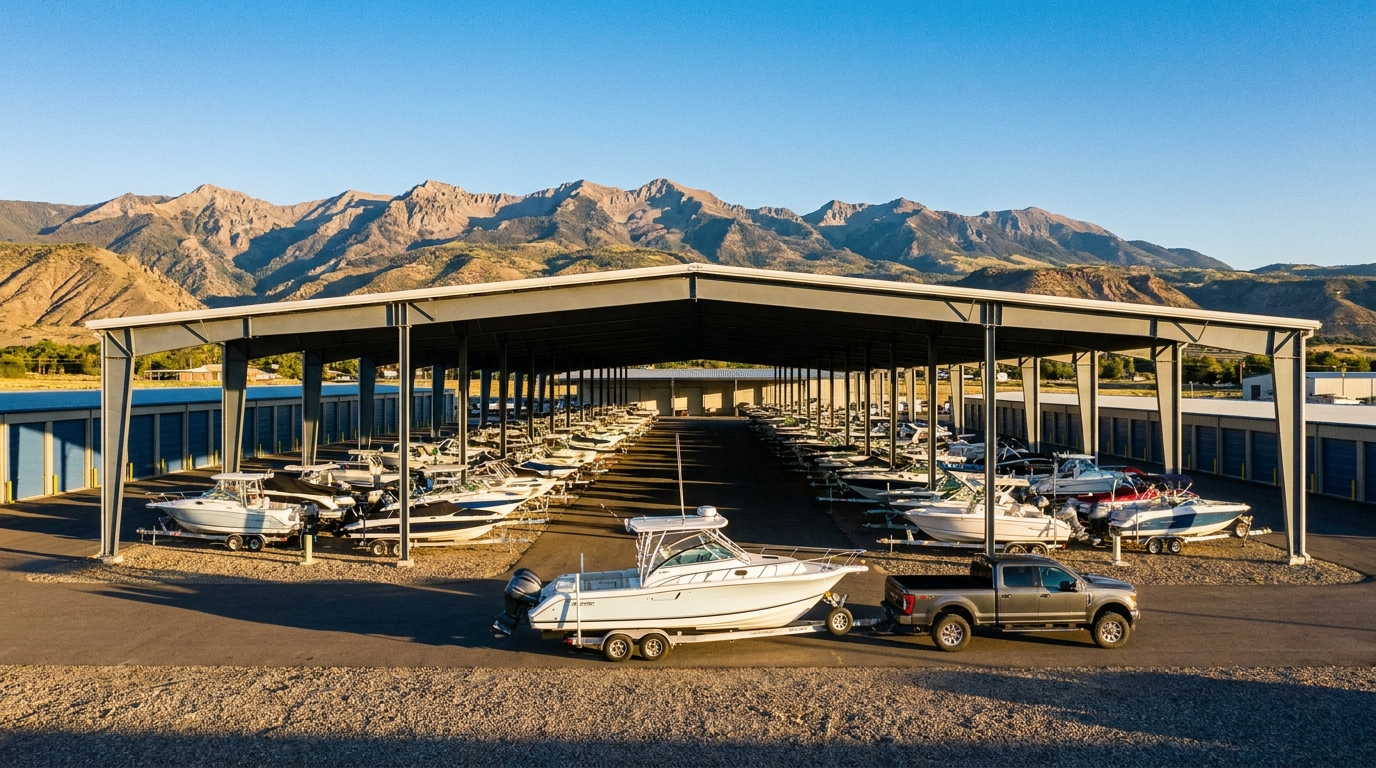
B oat storage in Montrose, Colorado costs between $55 and $495 per month depending on unit size, location, and whether you choose open parking, covered, or enclosed drive-up storage. Drive-up outdoor units ranging from 10x20 to 13x40 feet accommodate most recreational boats, while covered parking and enclosed options provide better protection against the Western Slope's harsh winter conditions.
| Key Points: | |
|---|---|
| • | Montrose boat storage ranges from $55 to $495 monthly, with 10x20 and 10x30 units fitting most trailered boats |
| • | Drive-up access units allow you to back your trailer directly into the storage space for easy loading |
| • | Winter temperatures in Montrose drop to 10 to 20 degrees Fahrenheit, making proper winterization essential regardless of storage type |
| • | Blue Mesa Reservoir, the largest body of water in Colorado, sits 45 minutes from Montrose, making local storage practical for frequent boaters |
| • | Month-to-month leases with no deposit provide flexibility for seasonal storage needs |
Why Montrose Is a Hub for Boat Storage on the Western Slope
Montrose County sits at the center of Colorado's Western Slope boating scene. Blue Mesa Reservoir, managed by the National Park Service as part of Curecanti National Recreation Area, spans 20 miles and offers 96 miles of shoreline for fishing and water sports. The reservoir typically opens for boating in mid-May and remains accessible through October, depending on water levels.
Ridgway Reservoir State Park lies just 25 miles south of Montrose, providing another popular destination for kayakers, paddleboarders, and anglers. Crawford Reservoir, located 40 miles east near the town of Crawford, rounds out the trio of accessible waterways within an hour's drive.
This concentration of boating destinations creates significant demand for local storage. Storing your boat in Montrose rather than Grand Junction (60 miles north) or Durango (115 miles south) saves hours of towing time during peak season. According to SpareFoot's Montrose storage listings, boat storage options in the area vary widely by size and type, and most trailered boats require larger spaces.
Types of Boat Storage Available in Montrose
Montrose offers three primary boat storage configurations: outdoor uncovered, outdoor covered, and fully enclosed indoor units. Each option balances cost, protection, and accessibility differently. Understanding these distinctions helps you match your storage choice to your boat's value and your usage patterns.
Drive-Up Outdoor Storage Units
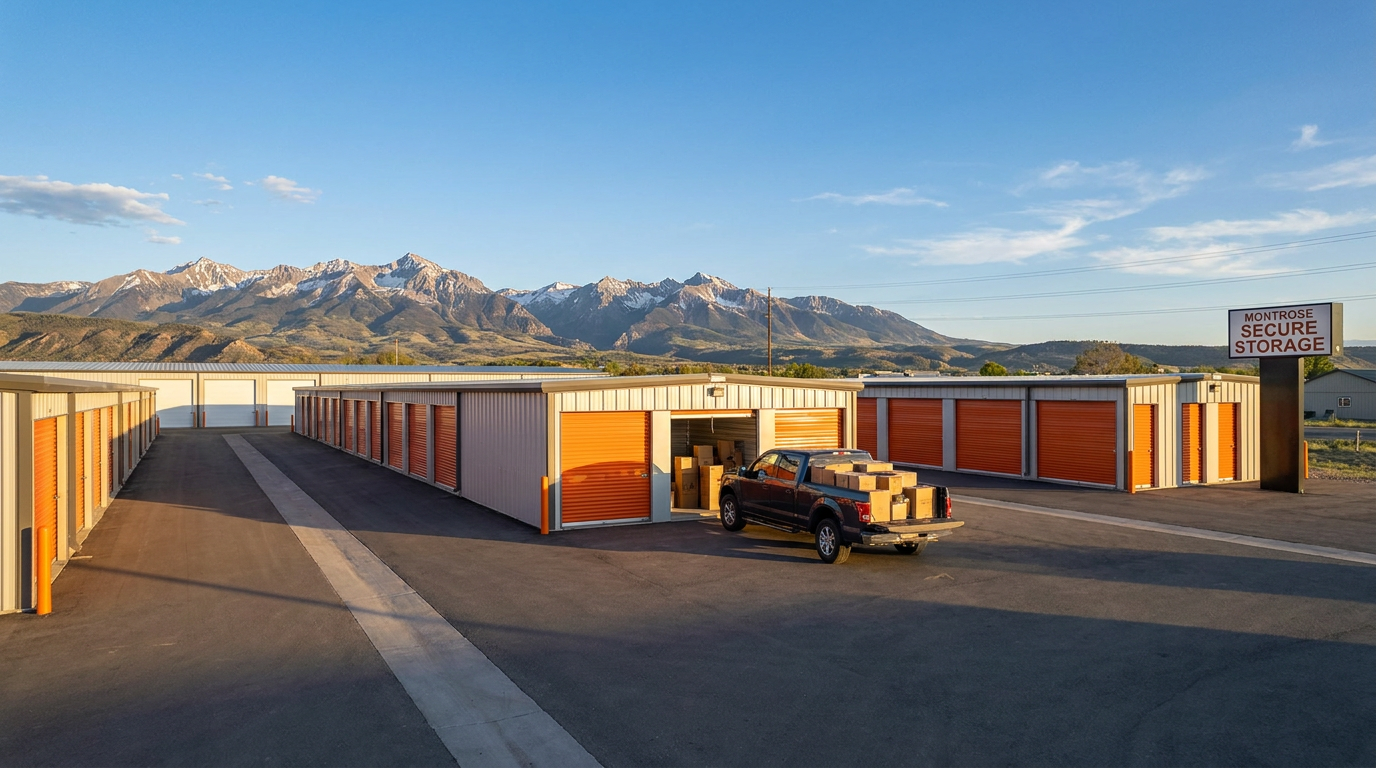
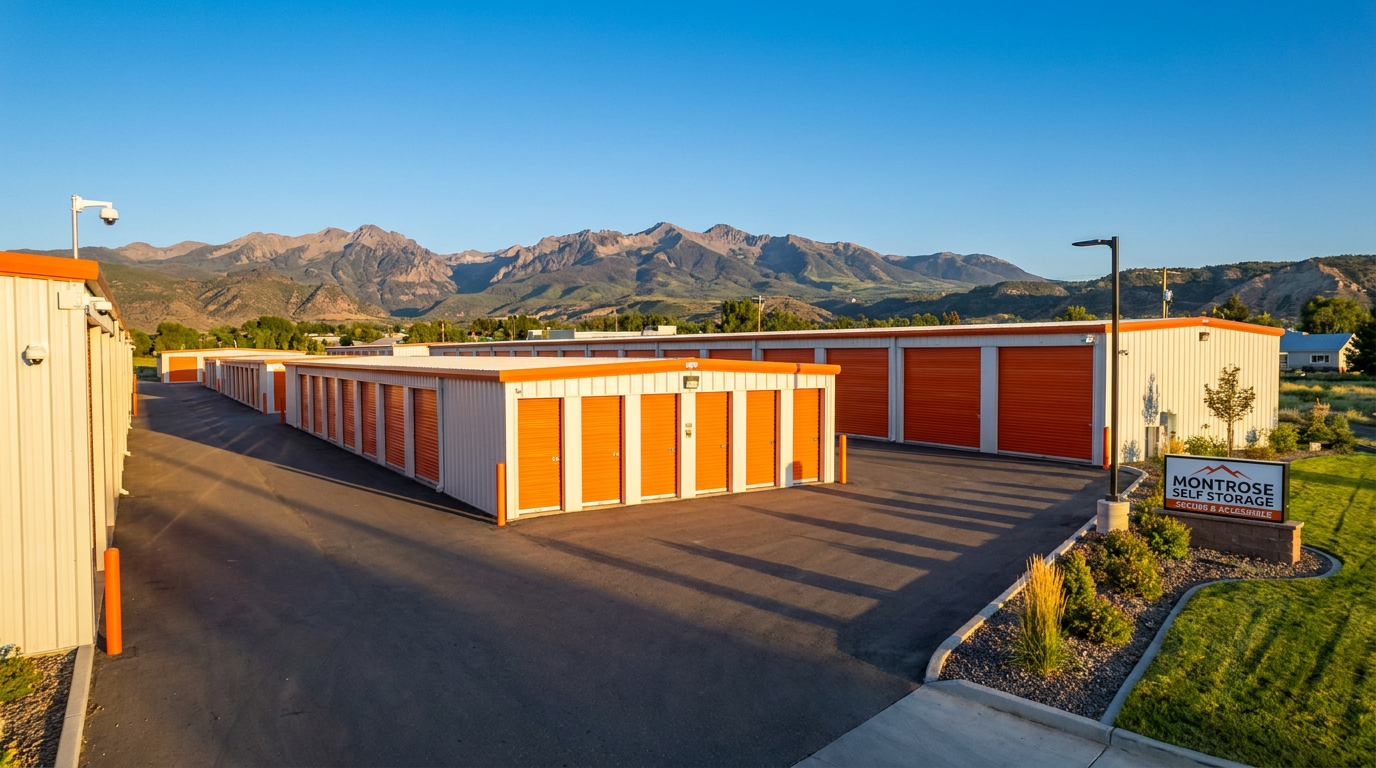
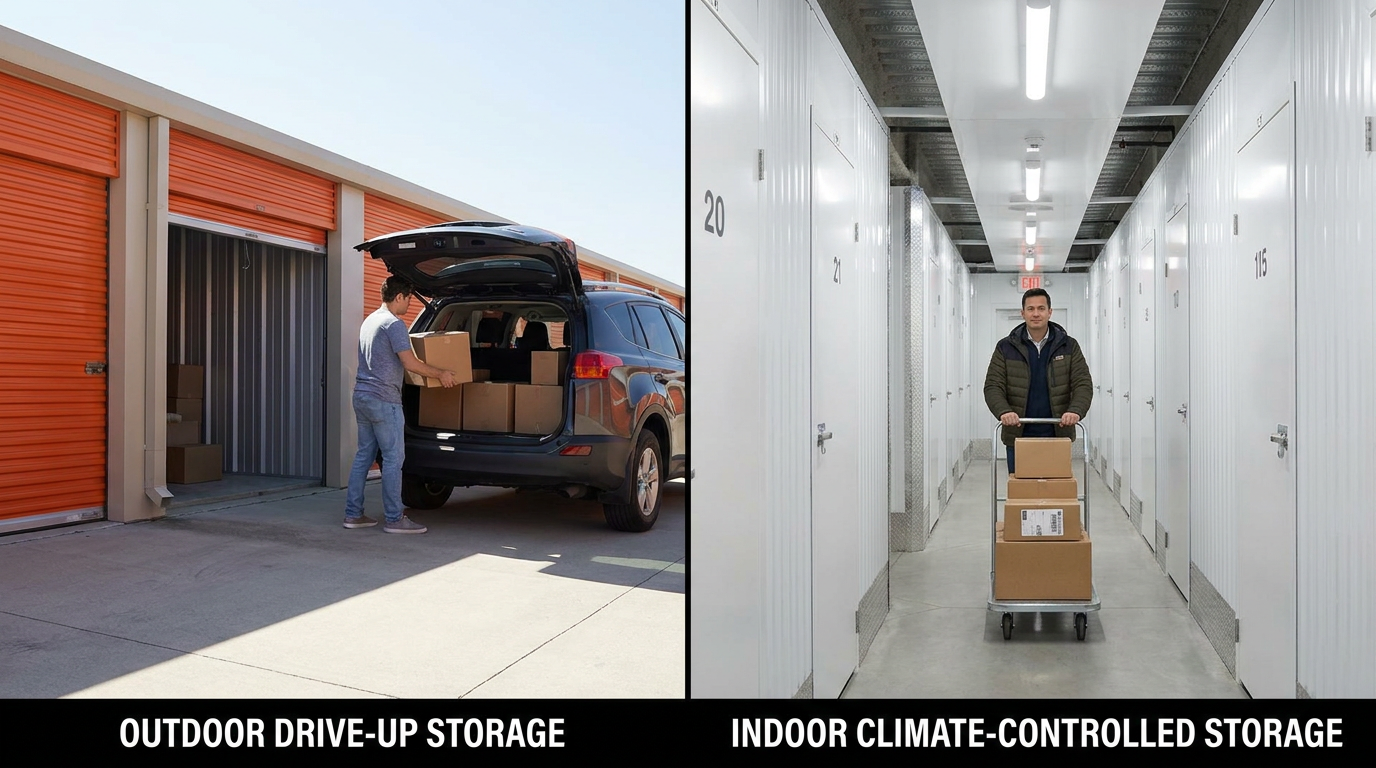
Drive-up outdoor units represent the most common and affordable boat storage option in Montrose. These spaces allow you to back your trailer directly into the unit, eliminating the need to unhitch or maneuver in tight quarters. Unit sizes typically range from 10x20 feet (200 square feet) to 12x20 feet (240 square feet), accommodating boats up to 20 feet in length with their trailers.
At Montrose Self Storage's Spring Creek location, 10x20 drive-up outdoor units are currently $215 per month. The W Main Street facility offers 10x20 drive-up units at $195 per month, a convenient option closer to downtown.
Outdoor units expose boats to temperature fluctuations, UV radiation, and dust. Using a quality boat cover rated for outdoor storage adds $150 to $400 to your initial investment but extends gel coat and upholstery life significantly.
Indoor Ground-Level Storage
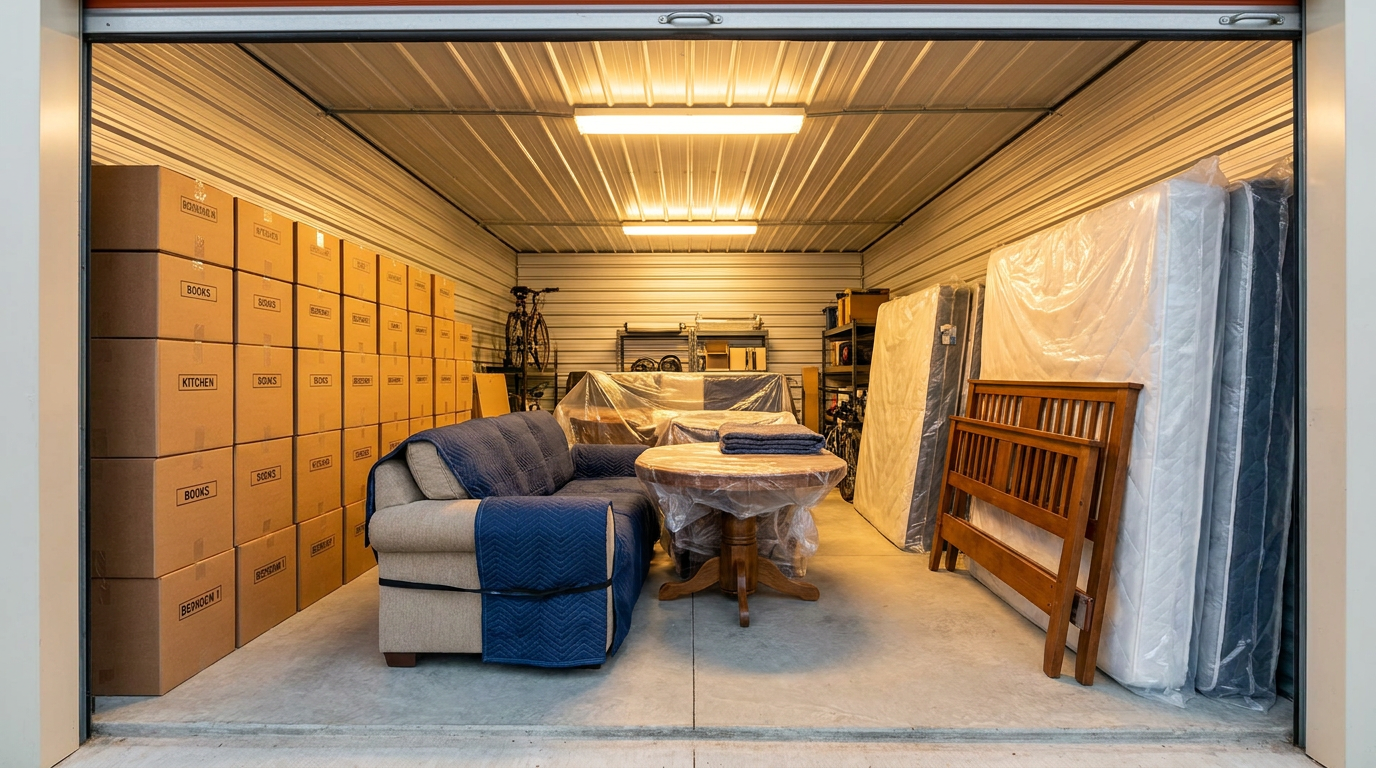
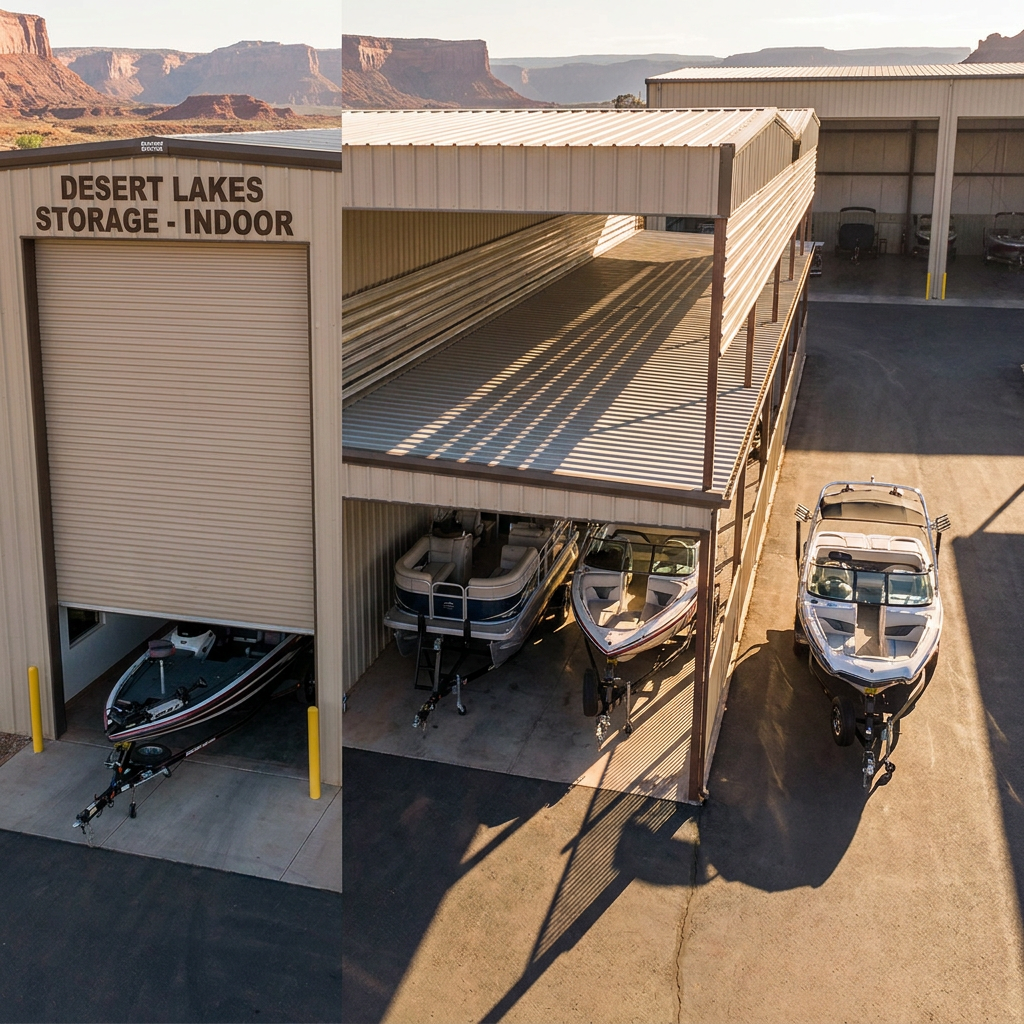
Indoor storage units provide protection from direct sunlight, precipitation, and wind-driven debris. While not climate-controlled, these enclosed spaces maintain more stable temperatures than outdoor alternatives. The enclosed 10x20 drive-up units at the Fruit Park facility offer 200 square feet at $205 per month, suitable for smaller boats with trailers.
Indoor storage works particularly well for fiberglass boats, where temperature stability prevents gel coat stress cracking. The National Marine Manufacturers Association recommends indoor storage for boats valued over $25,000 or those with extensive electronics packages.
Climate-Controlled Options
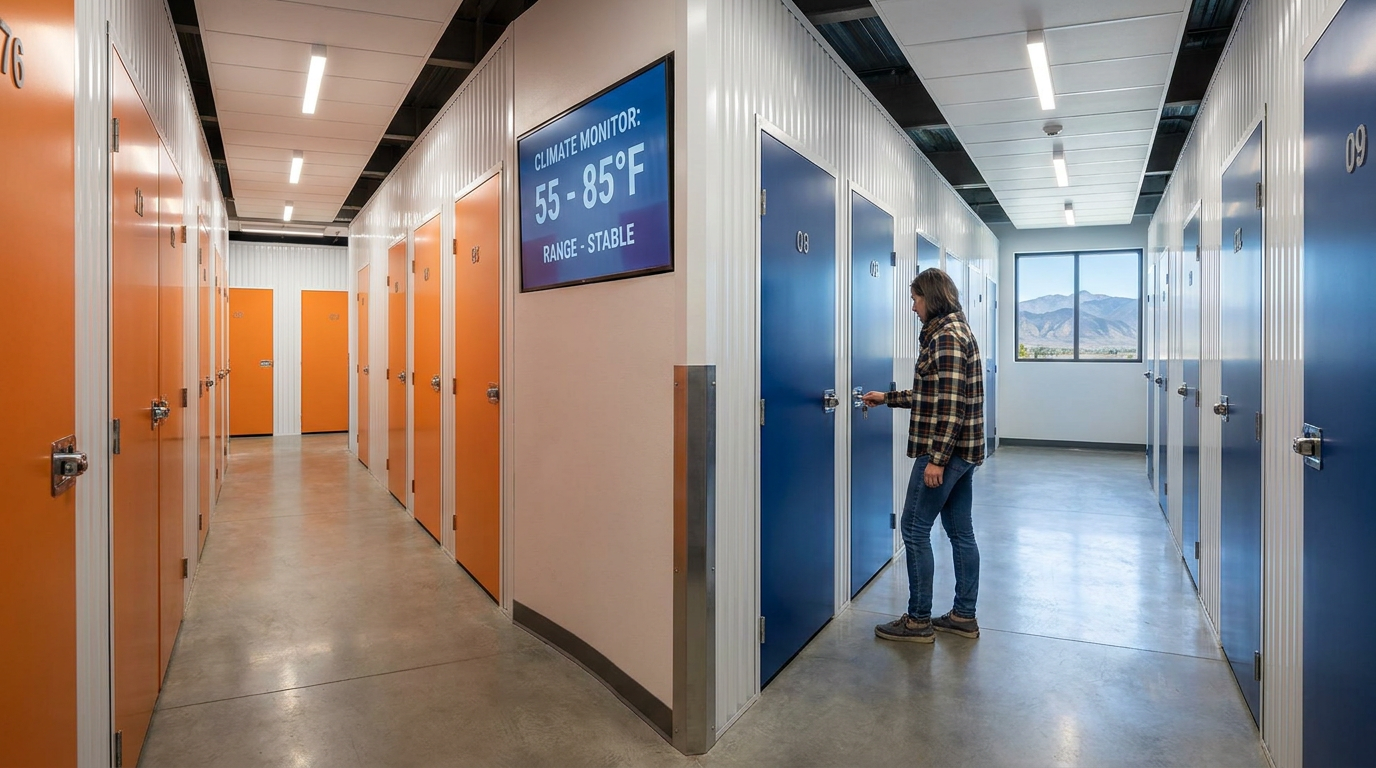
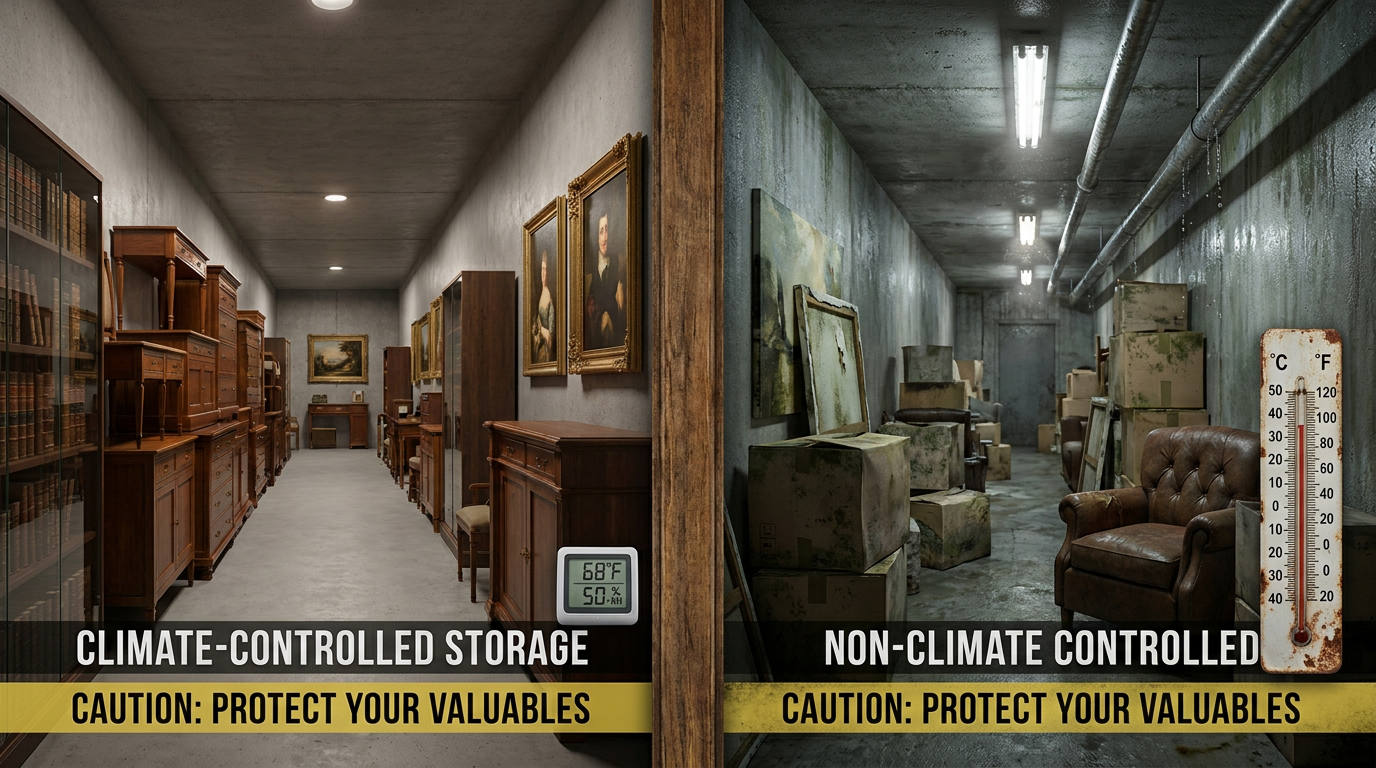
Climate-controlled storage maintains temperatures between 55 and 80 degrees Fahrenheit year-round. While less common for boat storage, this option protects sensitive electronics, leather upholstery, and wooden components from extreme temperature swings. Montrose winter temperatures regularly drop below 20 degrees Fahrenheit, and summer highs exceed 90 degrees.
Climate-controlled space at Montrose Self Storage is limited and best suited to smaller items like outboard motors and accessories rather than full boats. Full boat storage in climate-controlled environments typically requires special arrangements due to size constraints.
Boat Storage Costs in Montrose: Complete Pricing Breakdown
Storage costs in Montrose vary by location, unit size, and current promotions. The following table compares available options across local facilities, helping you identify the best value for your specific boat dimensions.
| Unit Size | Type | Location | Monthly Cost | Best For |
|---|---|---|---|---|
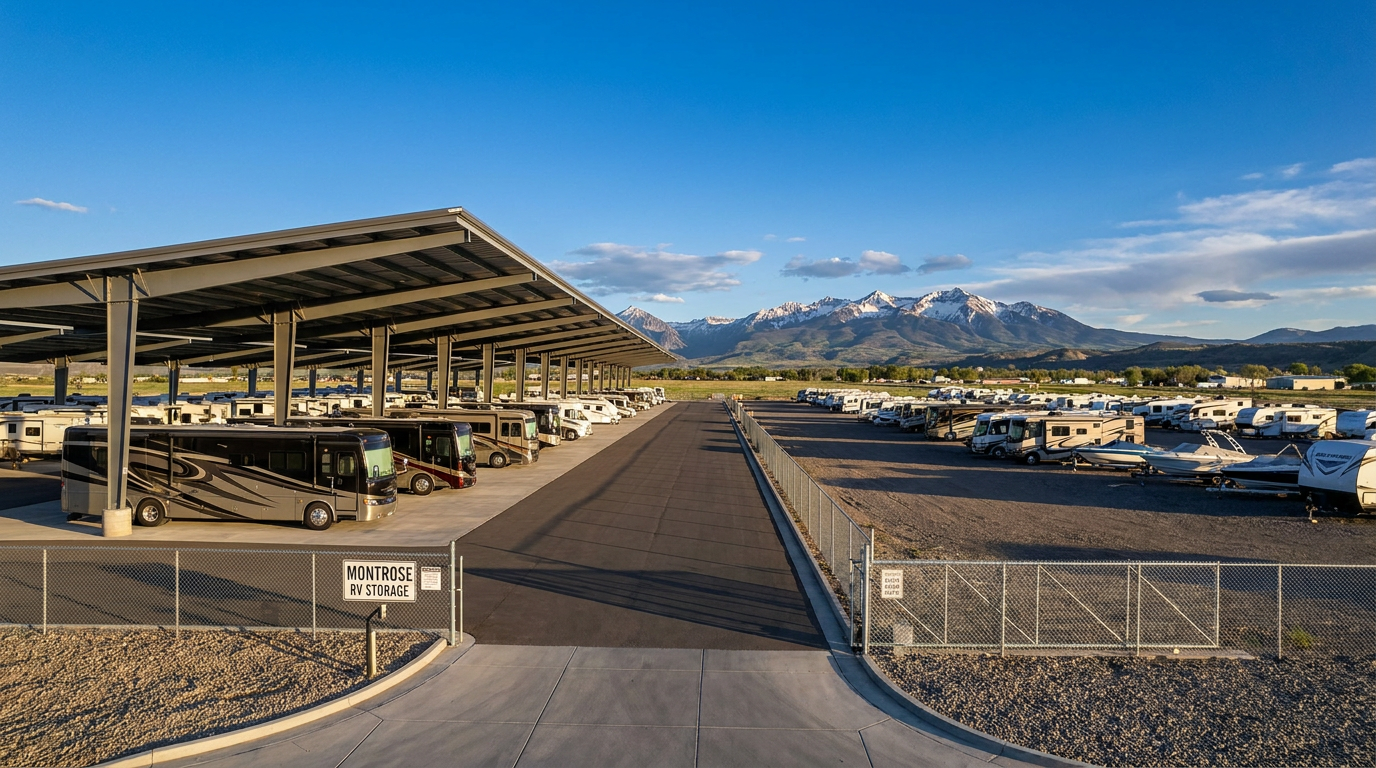
| 10x40 | Open Parking | Fruit Park | $85 | Trailered boats up to 40 feet |
| 11x30 | Covered Parking | Fruit Park | $145 | Boats needing overhead cover |
| 10x10 | Drive-Up Outdoor | Spring Creek | $105 | Jet skis, small watercraft |
| 10x20 | Drive-Up Outdoor | Spring Creek | $215 | Boats 16 to 18 feet |
| 10x20 | Drive-Up Outdoor | Fruit Park | $205 | Boats 16 to 20 feet |
| 10x30 | Drive-Up Outdoor | Fruit Park | $295 | Boats 20+ feet, pontoons |
| 13x40 | Drive-Up Outdoor | Fruit Park | $495 | Large boats and pontoons |
Annual storage costs range from about $1,020 for an open parking space to $5,940 for the largest drive-up units. Many boat owners find that six months of winter storage from November through April represents the most practical approach, cutting annual costs roughly in half.
What to Look For When Choosing Boat Storage
Selecting the right boat storage facility involves evaluating seven critical factors beyond monthly price. These considerations protect your investment and ensure convenient access throughout boating season.
Unit Dimensions and Clearance
Measure your boat and trailer combination before reserving a unit. Include the tongue length (typically 3 to 5 feet beyond the boat's bow) and any mounted accessories like trolling motors or swim platforms. Add 2 feet of clearance on each side for comfortable maneuvering.
A 17-foot bass boat on a single-axle trailer typically measures 21 to 23 feet total length and 7 feet wide. This configuration fits comfortably in a 10x30 unit with room for gear storage. Pontoon boats require wider units due to their 8 to 8.5-foot beam widths. The storage unit size guide provides detailed recommendations for matching your watercraft to available spaces.
Access Hours and Convenience
24/7 access allows early morning departures for dawn fishing trips and late returns after sunset cruises. Montrose Self Storage provides round-the-clock access at all four locations, eliminating scheduling constraints during peak summer weekends when Blue Mesa Reservoir sees its heaviest traffic.
Gate codes and individual unit locks provide security while maintaining flexibility. Facilities with wide drive aisles (minimum 25 feet) make backing trailers significantly easier, especially for less experienced drivers.
Security Features
Essential security elements include perimeter fencing, gated entry with individual access codes, and video surveillance covering unit rows. According to the Self Storage Association, facilities with these three features report 73% fewer theft incidents than those lacking comprehensive security systems.
The Fruit Park storage facility features security cameras and gated access, providing documented protection for stored watercraft. Well-lit facilities deter opportunistic theft, particularly important during winter months when shorter daylight hours mean more activity occurs after dark.
Ground Surface and Drainage
Paved or gravel surfaces prevent trailer tires from sinking during wet conditions. Proper drainage ensures standing water does not accumulate around stored boats, which can accelerate corrosion on trailer components and lower hull sections.
Inspect the facility during or immediately after rain to assess drainage patterns. Pooling water near unit entrances indicates potential problems during spring snowmelt, which typically occurs between March and May in Montrose.
Lease Terms and Flexibility
Month-to-month leases without deposits provide maximum flexibility for seasonal boaters. This arrangement allows you to store your boat only during off-season months (typically November through April) without committing to a full year. Review the storage FAQ for details on rental terms, payment options, and move-out procedures.
Some facilities offer discounted rates for annual commitments, potentially saving 10 to 15% compared to month-to-month pricing. Calculate your actual storage needs before committing to longer terms.
Insurance Requirements and Coverage
Most storage facilities require renters to maintain insurance coverage on stored property. Your homeowner's or renter's insurance policy may extend coverage to stored boats, though limits and deductibles vary. Contact your insurance provider to confirm coverage amounts and any exclusions for stored watercraft.
Specialized boat insurance policies from providers like Progressive, GEICO, and BoatUS typically include storage coverage as a standard feature. Annual premiums for boats valued between $15,000 and $30,000 average $300 to $500 in Colorado, according to industry data.
Proximity to Launch Points
Storage location affects your total trip time to the water. Montrose sits approximately 45 minutes from Blue Mesa Reservoir's Elk Creek Marina, 25 minutes from Ridgway Reservoir, and 40 minutes from Crawford Reservoir. Facilities on the east side of Montrose (like Spring Creek Road) provide slightly faster access to Blue Mesa via Highway 50.
Preparing Your Boat for Storage in Montrose
Proper preparation before storage prevents costly damage and ensures your boat starts reliably when spring arrives. The Western Slope's climate presents specific challenges that require attention beyond standard winterization procedures.
Engine and Fuel System
Add fuel stabilizer (1 ounce per 2.5 gallons of fuel) and run the engine for 10 to 15 minutes to circulate treated fuel through the entire system. For outboard motors, disconnect the fuel line and run the engine until it stalls, clearing fuel from the carburetor. Inboard engines require fogging oil sprayed into the carburetor or throttle body while the engine runs.
Change engine oil and filter before storage. Used oil contains acids and contaminants that can damage internal components during extended storage periods. Fresh oil provides better protection against corrosion.
Cooling System Winterization
Montrose's winter temperatures regularly drop below freezing, making cooling system protection essential even for indoor storage. Flush the cooling system with fresh water, then run non-toxic propylene glycol antifreeze (not automotive antifreeze) through the system until it exits the exhaust.
For boats with closed cooling systems, check antifreeze concentration with a hydrometer. Protection to minus 20 degrees Fahrenheit provides adequate margin for Montrose conditions.
Battery Care
Remove batteries and store them in a temperature-stable location (ideally 50 to 70 degrees Fahrenheit). Fully charge batteries before storage and recharge monthly during the off-season. A quality battery maintainer (such as those from Battery Tender or NOCO) automates this process and costs $25 to $75.
Clean battery terminals with a baking soda solution and apply dielectric grease to prevent corrosion. Disconnected batteries in cold storage lose approximately 1% charge per day, making regular maintenance essential for spring readiness.
Interior and Exterior Protection
Remove all food, beverages, and perishables to prevent rodent attraction. Place moisture absorbers (DampRid or similar products) throughout the cabin and storage compartments. Prop open compartment lids and refrigerator doors to promote air circulation and prevent mold growth.
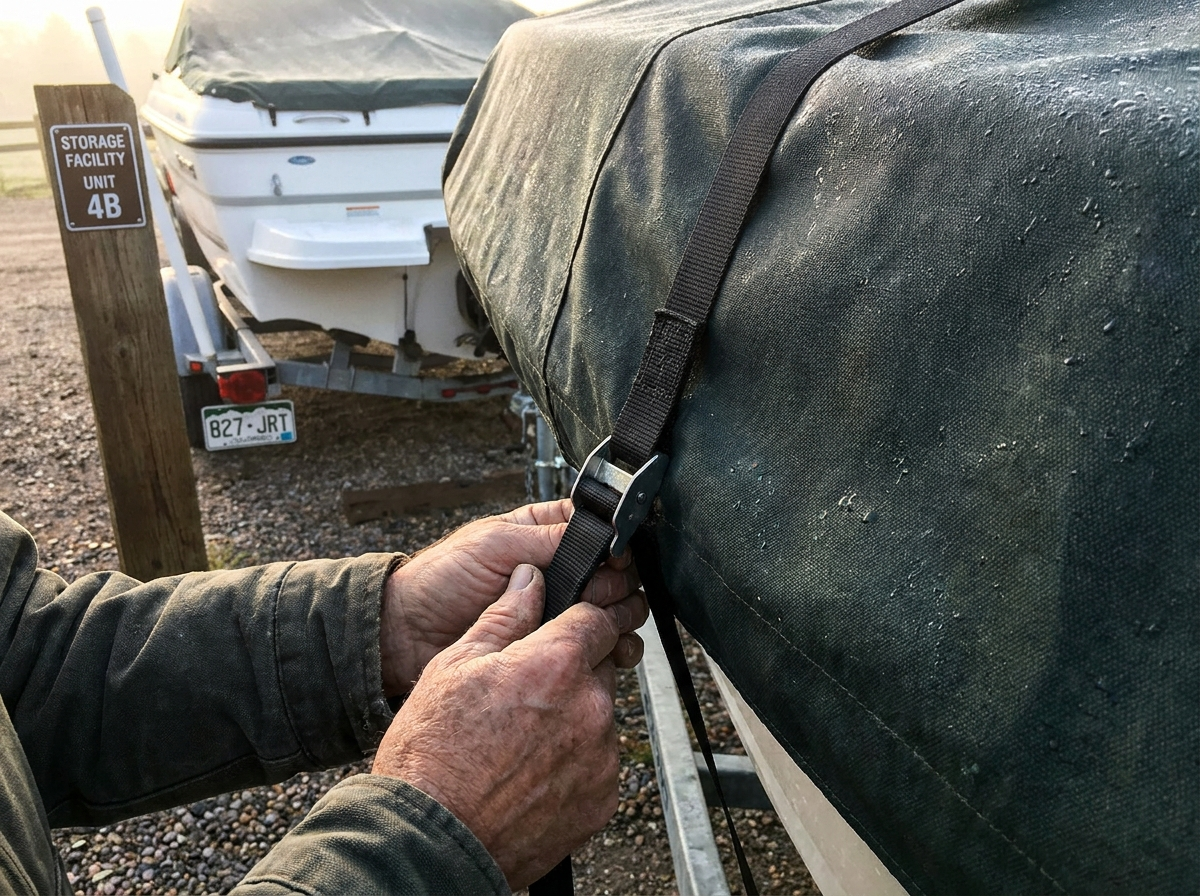
Wash and wax the hull before storage to remove contaminants that can damage gel coat during extended storage. Apply UV protectant to vinyl seats and rubber components. A breathable boat cover allows moisture to escape while blocking dust and debris.
Seasonal Storage Considerations for Western Slope Boaters
Blue Mesa Reservoir and surrounding waters follow predictable seasonal patterns that inform optimal storage timing. Understanding these cycles helps you maximize boating time while minimizing storage costs.
Spring Launch Preparation (April to May)
Ice typically clears from Blue Mesa Reservoir by late April, though boat ramp accessibility depends on water levels managed by the Bureau of Reclamation. Check current conditions through the Curecanti National Recreation Area website before planning early-season trips.
Schedule spring commissioning 2 to 3 weeks before your first planned outing. This timeline allows for addressing any issues discovered during de-winterization, including battery replacement, belt inspection, and impeller service.
Peak Season Storage Needs (June to August)
During peak boating season, many owners prefer keeping boats at home or in short-term storage between outings. Drive-up units with 24/7 access support this approach, allowing quick retrieval without advance scheduling. The 10x40 open parking spaces at Fruit Park keep peak-season storage at $85 per month for trailered boats.
Fall Winterization Timeline (September to October)
Water temperatures in Blue Mesa drop below 50 degrees Fahrenheit by late September, signaling the end of comfortable water sports season. Fishing remains productive through October, but most recreational boating concludes by mid-month.
Schedule professional winterization services by early October to avoid the rush. Local marine service providers in Montrose and Gunnison typically book 2 to 3 weeks out during peak winterization season. DIY winterization requires 3 to 5 hours for most outboard-powered boats.
Frequently Asked Questions About Boat Storage in Montrose
What size storage unit do I need for a boat?
Most trailered boats between 16 and 20 feet require a 10x20 or 10x30 storage unit. Measure your total length including the trailer tongue (add 3 to 5 feet to your boat length) and width including mirrors or mounted accessories. A 17-foot boat typically needs a 10x30 unit, while pontoon boats often require 12x20 or larger spaces due to their wider beam.
Can I store a boat with fuel in the tank?
Yes, storing boats with fuel is standard practice and actually recommended. Keep the tank 90% full to minimize air space where condensation forms. Add fuel stabilizer at the manufacturer's recommended ratio (typically 1 ounce per 2.5 gallons) and run the engine for 10 to 15 minutes to circulate treated fuel throughout the system.
Is indoor or outdoor storage better for boats in Colorado?
Indoor storage provides better protection from UV damage, temperature extremes, and precipitation. However, outdoor storage with a quality cover works adequately for most fiberglass boats when properly winterized. Boats with extensive electronics, leather interiors, or wooden components benefit most from indoor or climate-controlled storage.
How much does boat storage cost per month in Montrose?
Boat storage in Montrose ranges from $55 to $495 per month depending on unit size and type. Open parking at the Fruit Park facility starts at $85 per month, while 10x20 drive-up units run $195 to $215 per month depending on location.
Do I need to winterize my boat for storage in Montrose?
Yes. Montrose winter temperatures regularly drop below 20 degrees Fahrenheit, and nighttime lows can reach 0 to 10 degrees during January cold snaps. Freezing temperatures damage engines, cooling systems, and plumbing components. Even indoor storage does not eliminate the need for proper winterization in this climate.
Can I access my stored boat anytime?
Facilities offering 24/7 access allow retrieval at any time using your personal gate code. This feature proves particularly valuable during summer months when early morning departures help you reach Blue Mesa Reservoir before afternoon winds develop. Confirm access hours before signing a lease, as some facilities restrict overnight entry.
Choosing the Right Montrose Storage Facility for Your Boat
Selecting boat storage involves balancing cost, convenience, and protection level. For most recreational boaters on the Western Slope, a drive-up outdoor unit with 24/7 access provides the optimal combination of affordability and accessibility. Browse all four Montrose storage locations to compare available units and current pricing.
Boats valued over $25,000 or those with sensitive electronics merit the additional investment in indoor storage. Climate-controlled options make sense for vessels with wooden components, leather upholstery, or extensive navigation systems that could suffer damage from temperature extremes.
Month-to-month leases with no deposit required provide flexibility for seasonal storage patterns common among Western Slope boaters. This arrangement allows you to adjust your storage needs as usage patterns change, whether storing year-round or only during the November through April off-season.
For questions about specific unit availability or to discuss your boat storage requirements, contact Montrose Self Storage by phone at (970) 249-5511 or email at help@lookingforstorage.com. The locally owned team understands the unique storage challenges facing Western Slope boat owners and can recommend the best solution for your specific watercraft.
|