Drive-Up Storage vs Indoor Storage: Which Is Better for You? |
| DRIVE-UP STORAGE VS INDOOR STORAGE: WHICH IS BETTER FOR YOU?
⏱ 11 min read ·
📄 #2,002 words
Compare drive-up and indoor storage units to find the best fit for your belongings. Learn key differences in access, protection, cost, and ideal use cases.
|
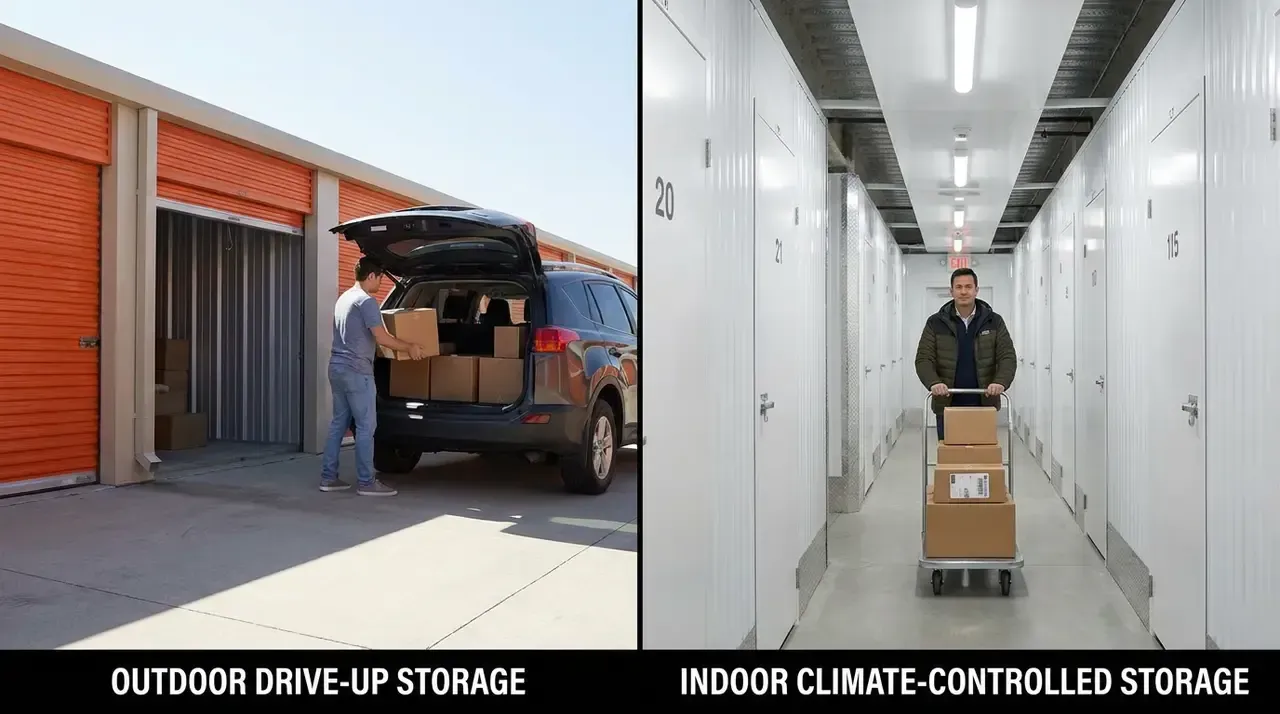
D rive-up storage is better if you need fast loading access and store bulky items frequently, while indoor storage is better if you prioritize weather protection and a controlled environment. Drive-up units typically cost 15 to 30 percent less than indoor options, but indoor units offer superior protection from temperature swings, dust, and humidity.
| Key Points: | |
|---|---|
| • | Drive-up units allow vehicle-to-door loading, reducing move-in time by 40 to 60 percent compared to indoor units |
| • | Indoor storage maintains cleaner conditions and shields belongings from outdoor weather exposure |
| • | Climate-controlled indoor units keep temperatures between 55 and 80 degrees Fahrenheit year-round |
| • | Drive-up storage costs $62 to $199 per month for 10x10 to 10x25 units in Montrose, Colorado |
| • | Electronics, documents, and wooden furniture last longer in indoor climate-controlled environments |
Understanding the Core Differences Between Storage Types
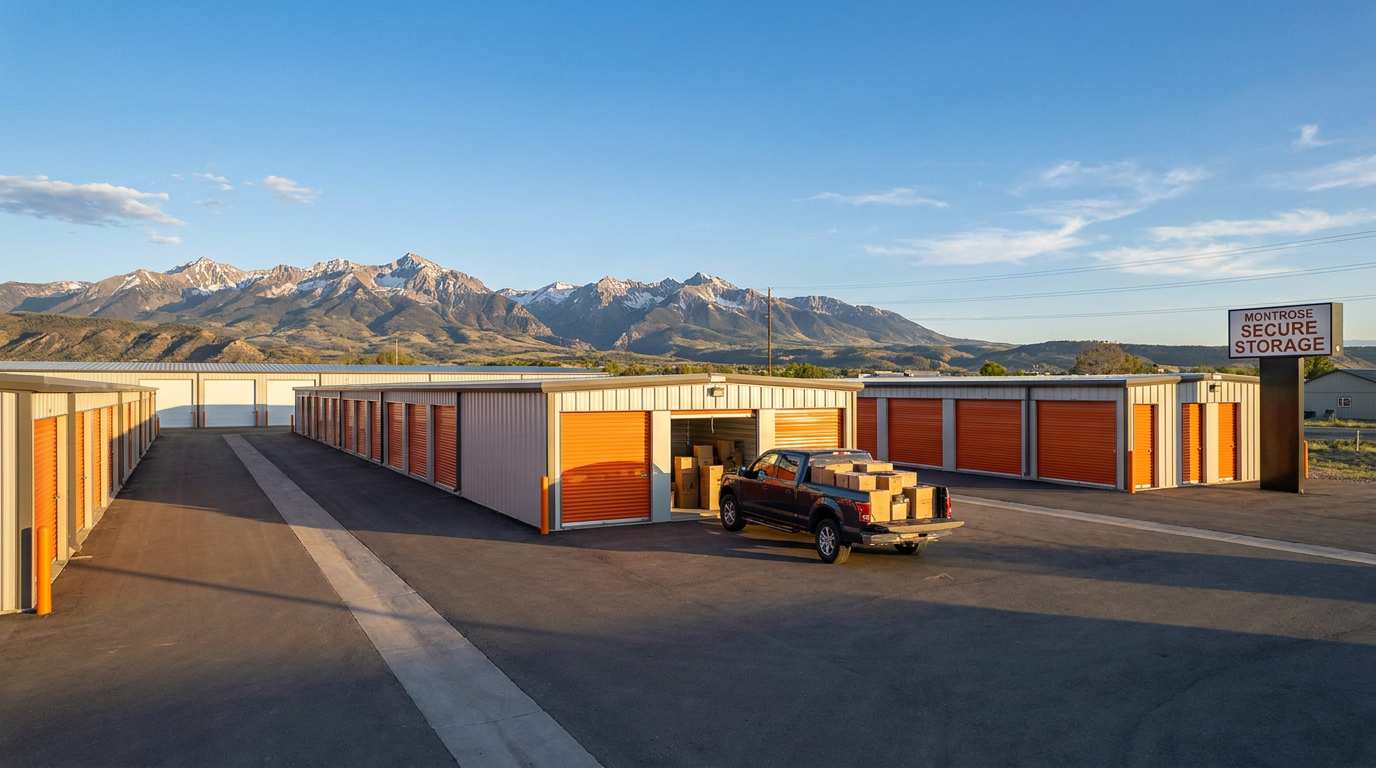
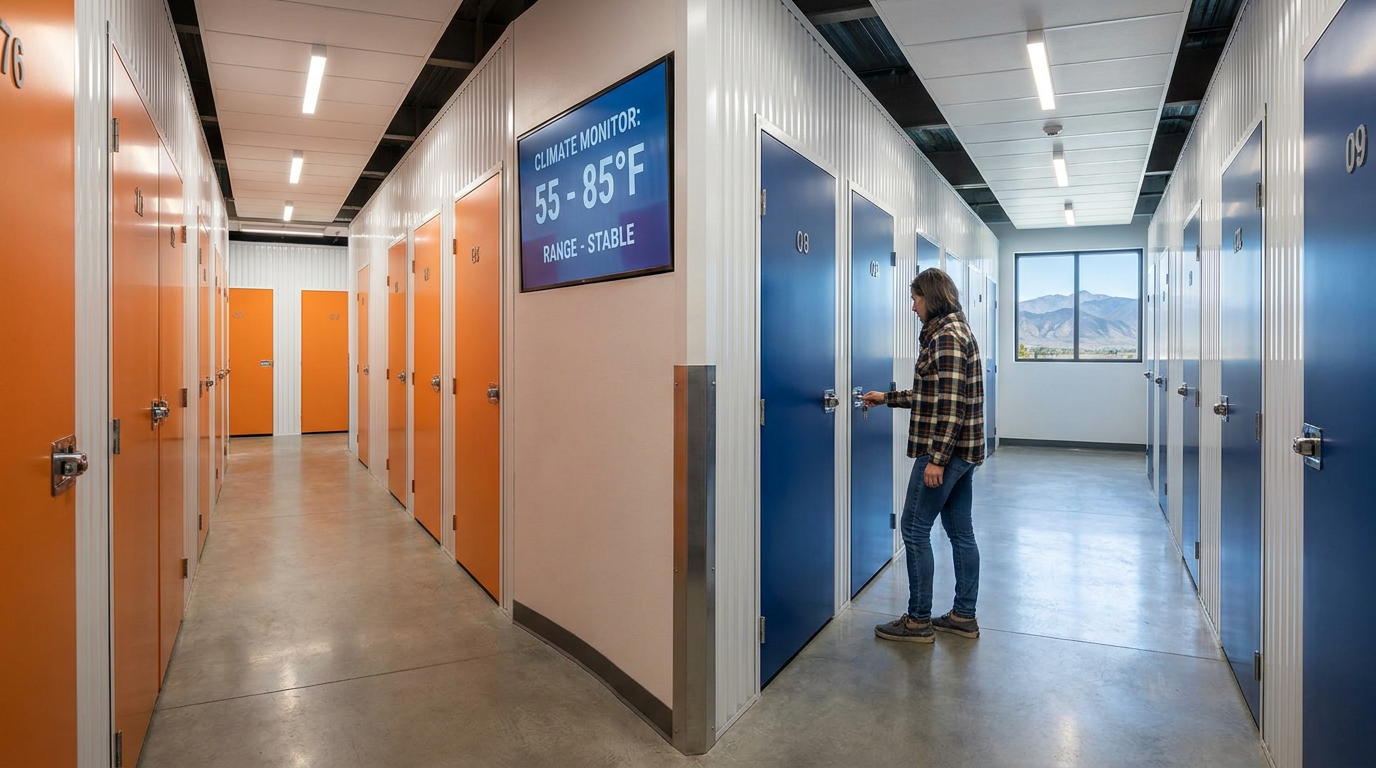
The fundamental distinction between drive-up and indoor storage comes down to access method and environmental exposure. According to Extra Space Storage, drive-up units function like personal garages where you park directly at your unit door. Indoor units sit within a larger building, requiring you to navigate hallways, elevators, or corridors to reach your space.
This access difference creates a cascade of practical implications. Drive-up storage excels when you need to load heavy furniture, appliances, or business inventory quickly. Indoor storage provides an additional barrier between your belongings and the outdoor elements, which matters significantly in regions with extreme weather.
The Western Slope of Colorado experiences temperature swings from below zero in winter to above 95 degrees Fahrenheit in summer. These conditions make the drive-up versus indoor decision more consequential than in milder climates.
Detailed Comparison: Drive-Up vs Indoor Storage
| Factor | Drive-Up Storage | Indoor Storage |
|---|---|---|
| Access Method | Park vehicle directly at unit door | Walk through building hallways or use elevators |
| Loading Time | 15 to 30 minutes for typical move-in | 30 to 60 minutes for typical move-in |
| Weather Protection | Exposed to outdoor temperature fluctuations | Shielded from direct weather exposure |
| Climate Control Option | Rarely available | Commonly available at 20 to 40 percent premium |
| Monthly Cost (10x10) | $62 to $165 in Montrose area | $119 to $154 in Montrose area |
| Best For | Furniture, tools, vehicles, frequent access | Electronics, documents, antiques, sensitive items |
| Dust and Debris | More exposure to outdoor particles | Cleaner environment with less contamination |
When Drive-Up Storage Is the Better Choice
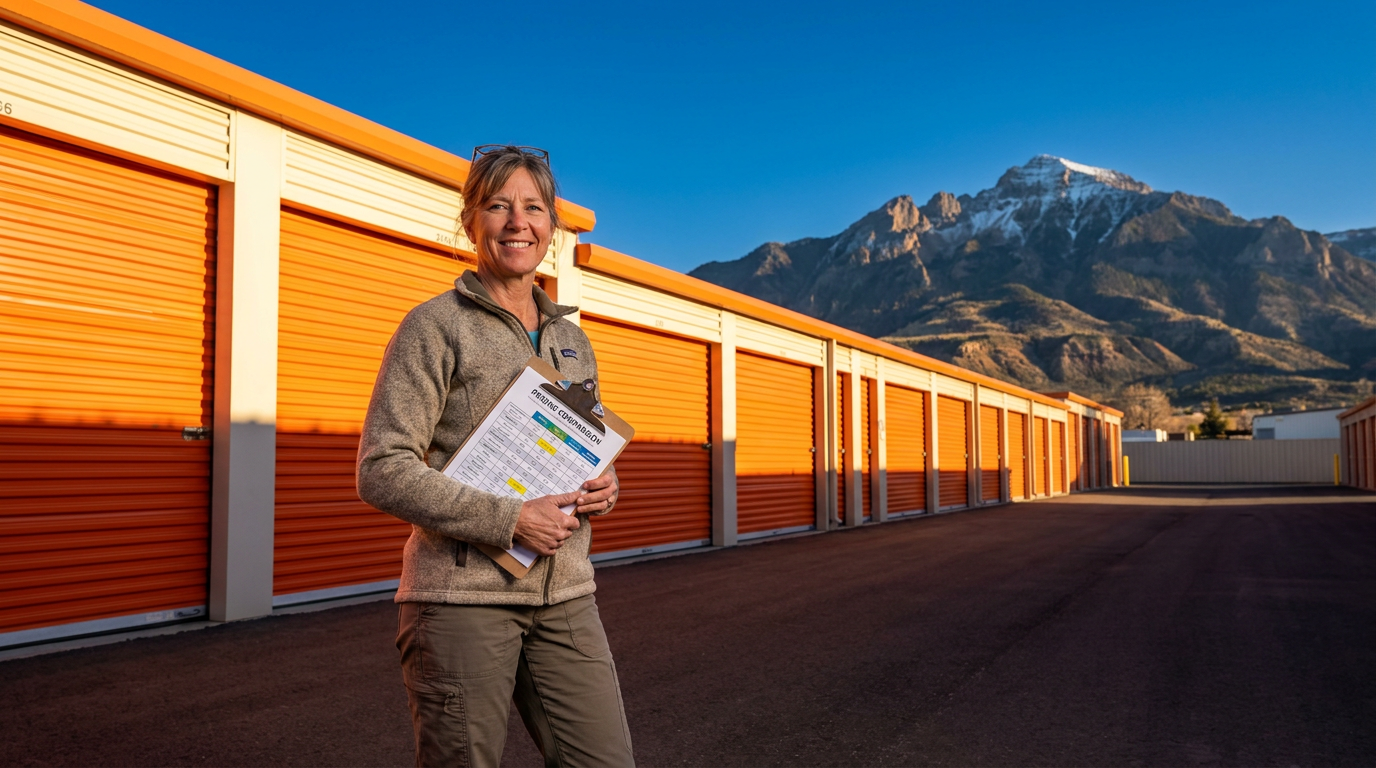
Drive-up storage delivers clear advantages for specific storage scenarios. Public Storage notes that the vehicle-to-door access makes drive-up units ideal for anyone who visits their unit frequently or stores heavy items that would be difficult to transport through a building.
Heavy and Bulky Item Storage
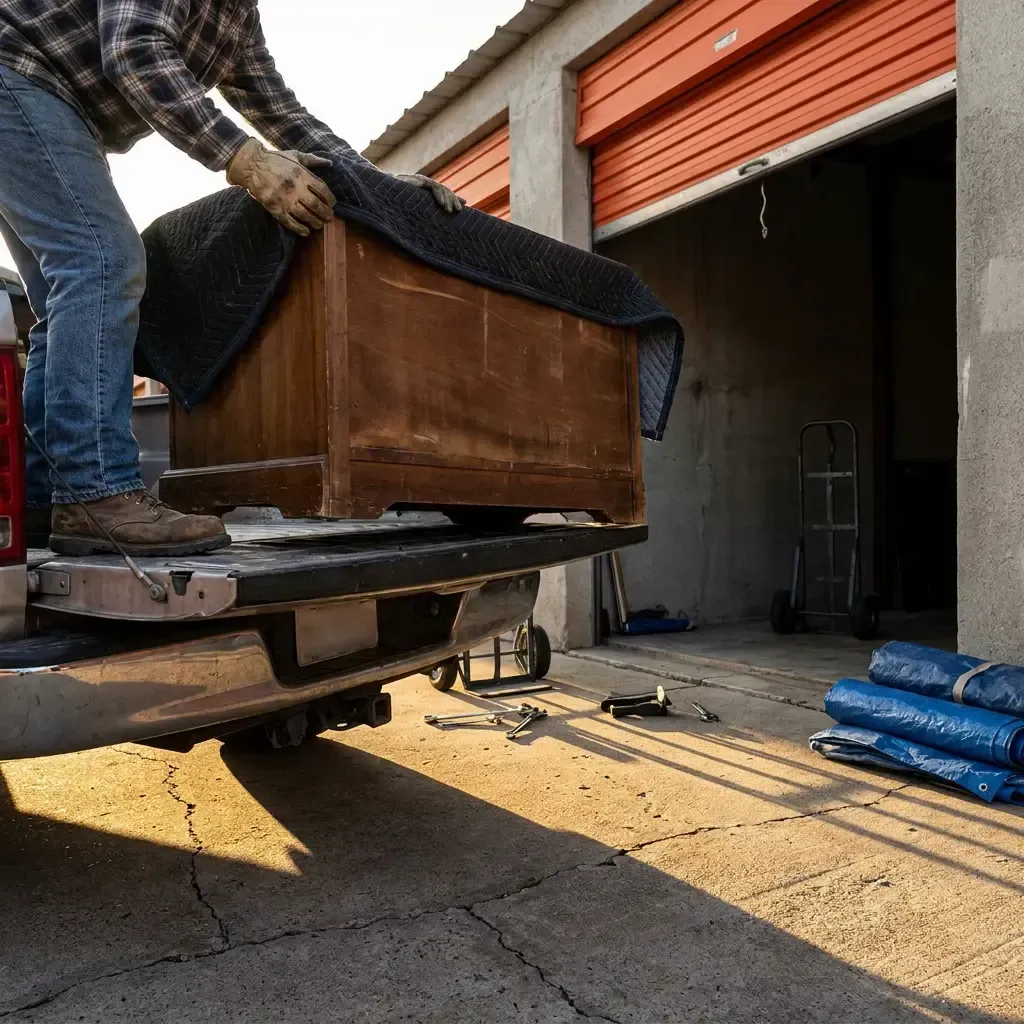
Moving a 300-pound sofa or a commercial refrigerator becomes dramatically easier when you can back a truck directly to your unit. Contractors storing tools and equipment, households in transition, and businesses managing inventory all benefit from this direct access. The time savings compound with each visit, making drive-up storage particularly valuable for active users.
Vehicle and Equipment Storage
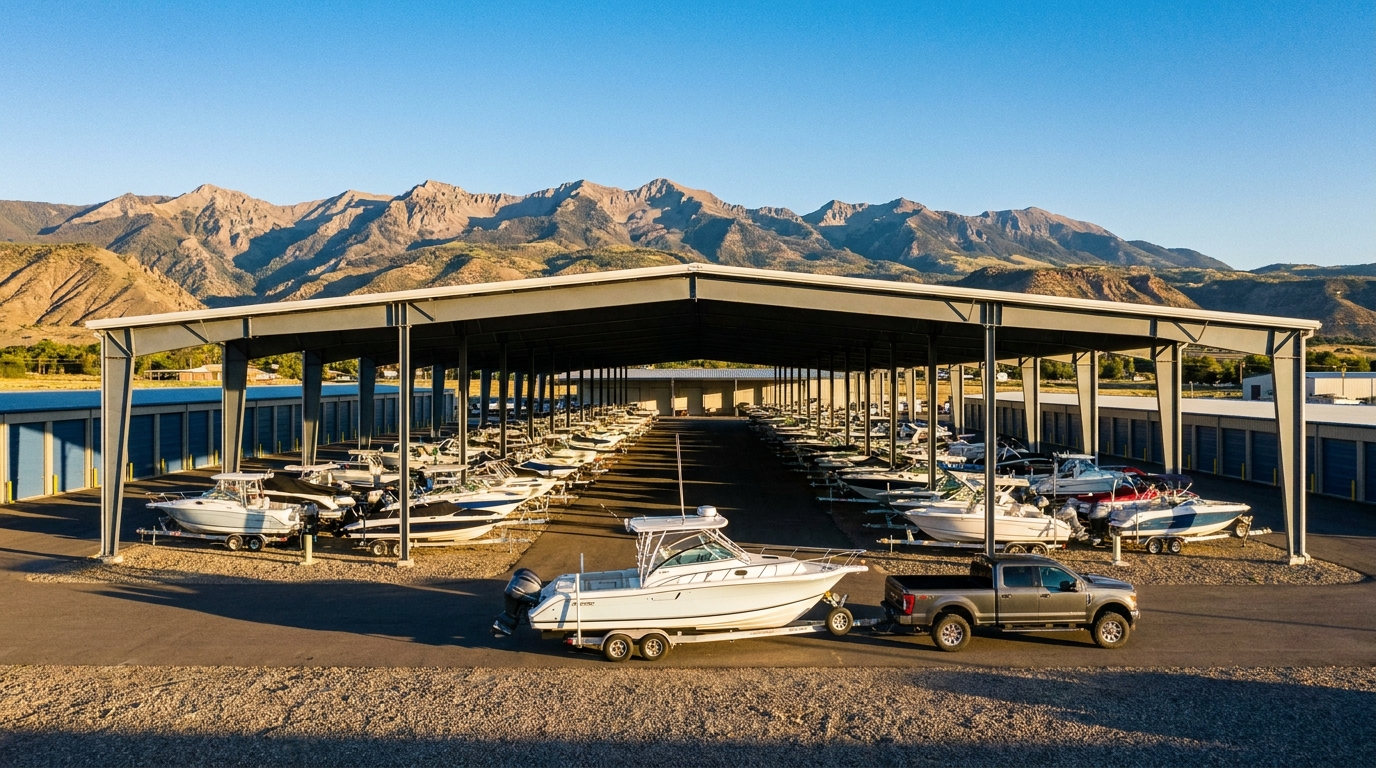
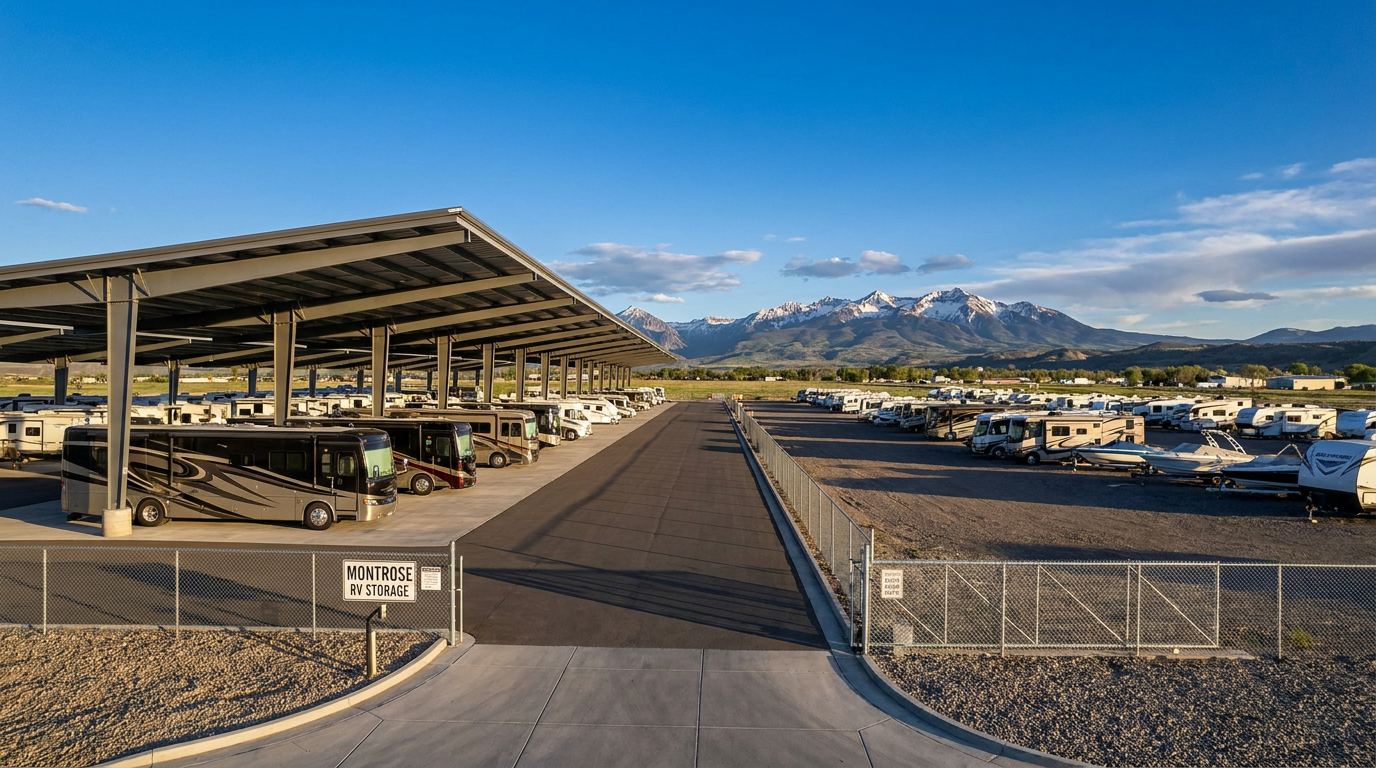
Motorcycles, ATVs, boats, and seasonal vehicles fit naturally in drive-up units. A 10x25 drive-up unit at the N 9th Street facility provides 250 square feet of space, enough for most recreational vehicles. The ability to drive in, park, and drive out without maneuvering through tight corridors makes vehicle storage practical.
Business Inventory and Supplies
Local businesses in Montrose, Delta, and Ouray counties often use drive-up storage as overflow inventory space. A landscaping company storing mowers and equipment, a retailer managing seasonal stock, or a contractor keeping building materials all benefit from the loading efficiency. The Self Storage Association reports that approximately 30 percent of storage renters are businesses rather than individuals.
Budget-Conscious Storage Needs
Drive-up units typically cost less than comparable indoor spaces. At the Spring Creek location, a 10x10 drive-up unit runs $62 per month with current promotions, compared to $119 for a similar-sized indoor unit elsewhere. For items that tolerate temperature variation, this price difference adds up to hundreds of dollars annually.
When Indoor Storage Is the Better Choice
Indoor storage provides environmental advantages that matter for certain belongings. Storage of America explains that the building envelope creates a buffer zone between your items and outdoor conditions, reducing temperature extremes and blocking dust, pests, and moisture infiltration.
Temperature-Sensitive Items
Electronics, vinyl records, photographs, and wooden furniture can suffer permanent damage from temperature extremes. The National Archives recommends storing paper documents between 65 and 70 degrees Fahrenheit with 30 to 40 percent relative humidity. Climate-controlled indoor units at the N 9th Street facility maintain temperatures between 55 and 80 degrees year-round, protecting sensitive belongings from Colorado's temperature swings.
Long-Term Storage Situations
Items stored for six months or longer face cumulative exposure to environmental conditions. A drive-up unit might be fine for a three-month renovation project, but a multi-year storage situation benefits from the additional protection of indoor storage. Leather, wood, and fabric materials are particularly vulnerable to humidity cycling that occurs in outdoor-exposed units.
Valuable and Irreplaceable Items
Family heirlooms, antique furniture, art collections, and important documents warrant the extra protection of indoor storage. The American Institute for Conservation recommends climate-controlled environments for any items with historical or sentimental value that cannot be replaced. The modest premium for indoor storage provides insurance against environmental damage.
Cleanliness Requirements
Medical equipment, baby items, upholstered furniture, and clothing benefit from the cleaner environment inside a building. Indoor units experience less dust infiltration and are typically sealed more tightly than drive-up units. For items that will go directly back into your home, this cleanliness factor matters.
Climate Control: The Third Option to Consider
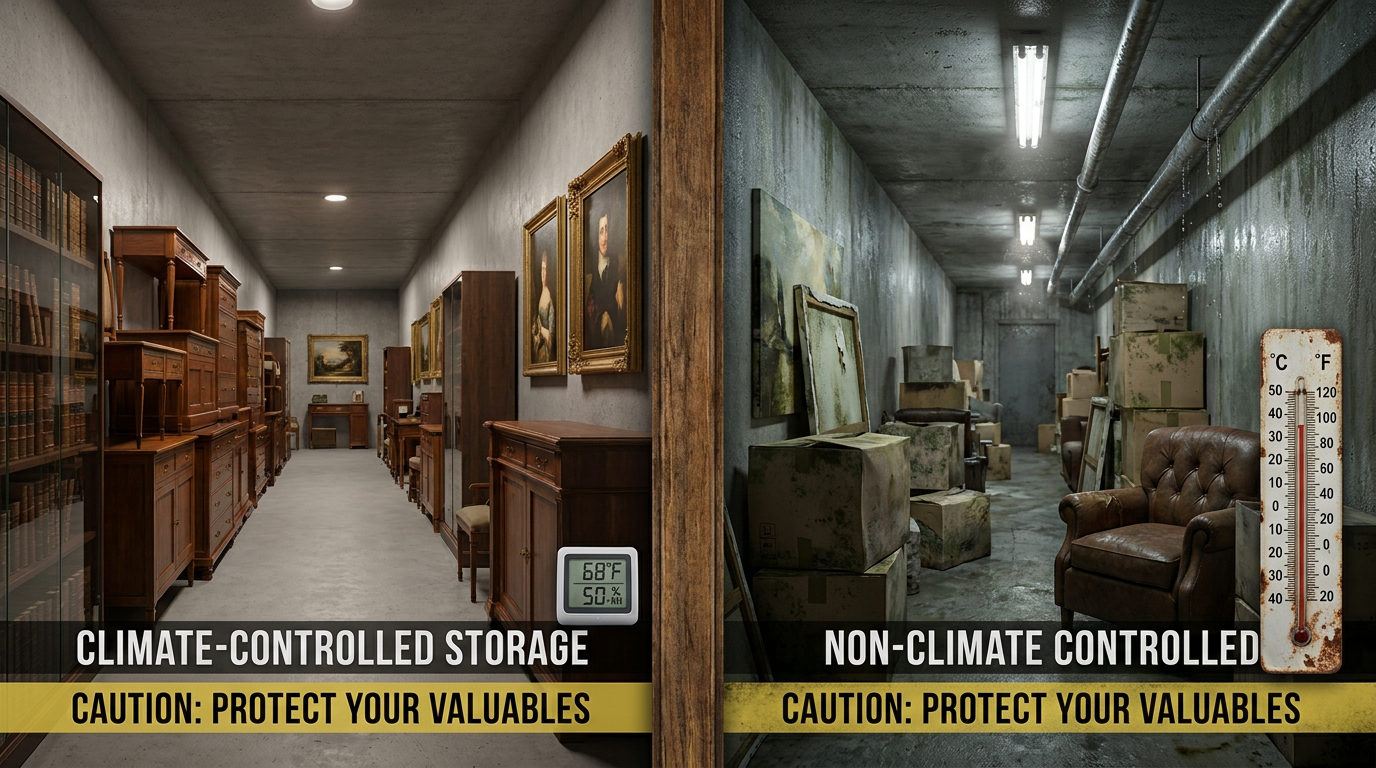
Climate-controlled storage represents a specialized subset of indoor storage that actively regulates temperature and humidity. Standard indoor storage simply provides shelter from direct weather exposure, while climate control maintains specific environmental conditions regardless of outdoor weather.
In Montrose, where summer temperatures can exceed 95 degrees and winter nights drop below zero, climate control becomes more valuable than in moderate climates. A 4x5 climate-controlled unit at the N 9th Street location costs $71 per month, providing protection for small collections of sensitive items like wine, electronics, or documents.
Items That Require Climate Control
The following items typically need climate-controlled storage for periods exceeding three months:
- Electronics and computers: Condensation from temperature swings damages circuit boards
- Wooden furniture and instruments: Wood expands and contracts with humidity changes, causing cracks and warping
- Photographs and film: Heat accelerates chemical degradation of photographic materials
- Leather goods: Extreme temperatures cause cracking and discoloration
- Wine collections: Temperatures above 70 degrees accelerate aging and spoilage
- Medical supplies: Many medications require storage below 77 degrees Fahrenheit
- Vinyl records: Heat causes warping that renders records unplayable
Cost Comparison for Montrose Area Storage
Understanding the actual cost differences helps make an informed decision. Montrose Self Storage operates four facilities across the area, each with different unit types and pricing structures. The following breakdown shows real pricing for comparable unit sizes.
| Unit Type | Size | Monthly Cost | Location |
|---|---|---|---|
| Drive-Up Outdoor | 10x10 | $62 (50% off promo) | Spring Creek |
| Drive-Up Outdoor | 10x10 | $165 | Fruit Park |
| Interior Ground | 10x10 | $119 | N 9th Street |
| Climate Controlled | 4x5 | $71 | N 9th Street |
| Drive-Up Outdoor | 10x20 | $142 (50% off promo) | Spring Creek |
| Drive-Up Outdoor | 10x25 | $99.50 (50% off promo) | N 9th Street |
The storage unit size guide helps match your belongings to the appropriate unit dimensions. A 10x10 unit holds the contents of a one-bedroom apartment, while a 10x20 accommodates a three to four-bedroom home.
Security Considerations for Both Storage Types
Security features vary more by facility quality than by storage type. Both drive-up and indoor units can offer excellent security when the facility invests in proper measures. Consumer Affairs reports that modern storage facilities typically include gated access, security cameras, and individual unit locks as standard features.
Indoor storage does provide one inherent security advantage: multiple access barriers. Someone accessing an indoor unit must pass through the exterior gate, the building entrance, and potentially additional interior doors before reaching individual units. Drive-up units have fewer barriers between the perimeter and your belongings.
All four Montrose Self Storage locations feature 24/7 access with security cameras and gated entry. The Fruit Park facility and other locations maintain consistent security standards regardless of unit type.
Making Your Decision: A Practical Framework
Use these questions to determine which storage type fits your situation:
Choose Drive-Up Storage If:
- You plan to visit your unit more than twice per month
- Your items include heavy furniture, appliances, or equipment
- You need to store a vehicle, boat, or recreational equipment
- Budget is a primary concern and items tolerate temperature variation
- Storage duration is less than six months
- You run a business that requires frequent inventory access
Choose Indoor Storage If:
- You are storing electronics, documents, or wooden furniture
- Items have sentimental or irreplaceable value
- Storage duration exceeds six months
- You prefer a cleaner, more controlled environment
- Temperature-sensitive items like photographs or vinyl records are involved
- You want maximum protection from weather and environmental factors
Frequently Asked Questions
Is drive-up storage cheaper than indoor storage?
Drive-up storage typically costs 15 to 30 percent less than indoor storage for equivalent unit sizes. In the Montrose area, a 10x10 drive-up unit ranges from $62 to $165 per month depending on location and promotions, while indoor units start around $119 per month. The savings come from lower construction and maintenance costs for outdoor-accessible units.
Are drive-up storage units secure?
Drive-up units at quality facilities offer strong security through gated access, security cameras, and individual unit locks. While indoor units have additional building barriers, well-maintained drive-up facilities provide adequate security for most storage needs. Check that any facility you consider has 24-hour video surveillance and controlled gate access.
What items should not be stored in drive-up units?
Avoid storing temperature-sensitive items in drive-up units, including electronics, photographs, vinyl records, wine, wooden instruments, leather goods, and important documents. These items can suffer permanent damage from the temperature fluctuations common in drive-up units, particularly in climates with hot summers or cold winters like Colorado's Western Slope.
Is indoor storage better for furniture?
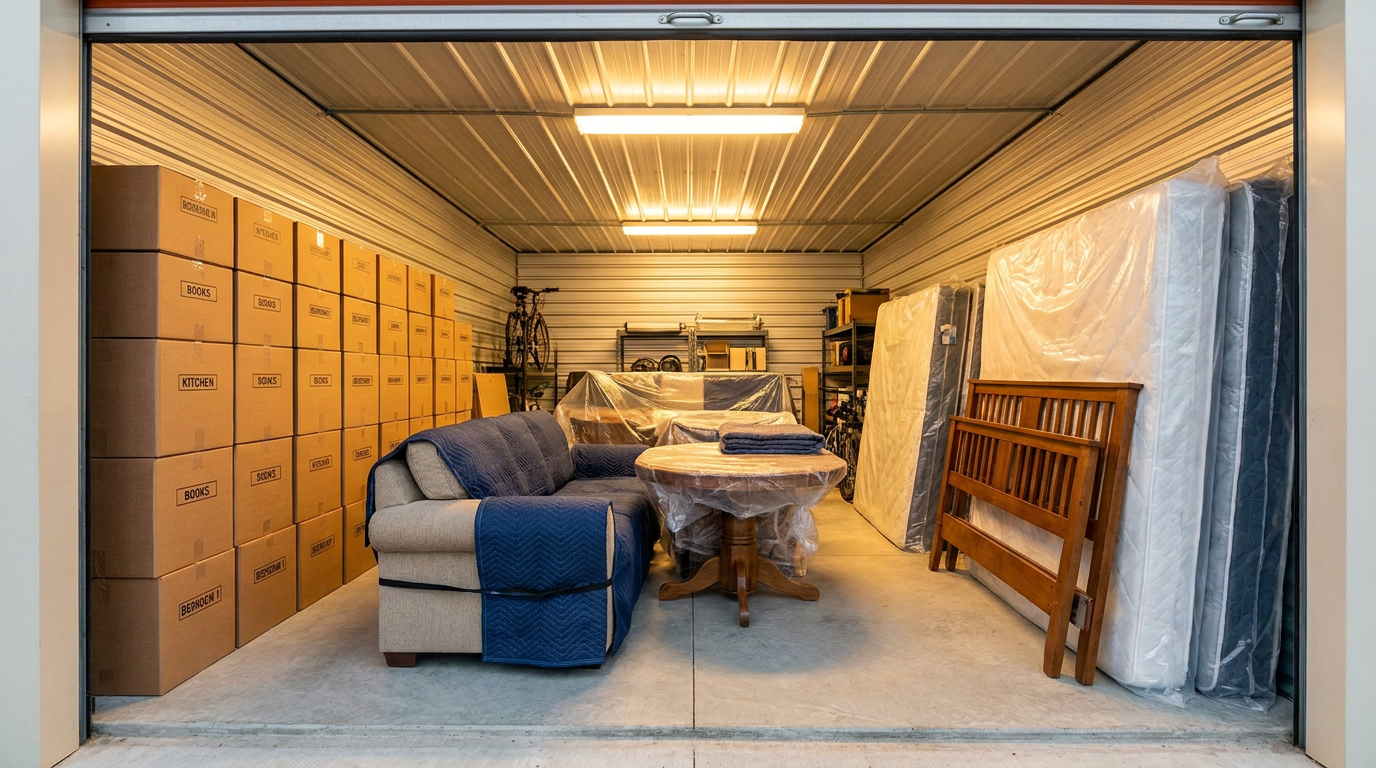
Indoor storage provides better protection for wooden and upholstered furniture, especially for storage periods exceeding six months. Wood expands and contracts with humidity changes, potentially causing cracks, warping, or joint failure. Fabric and leather can develop mold or mildew in humid conditions. Climate-controlled indoor storage maintains stable conditions that preserve furniture quality.
Do I need climate-controlled storage or just indoor storage?
Standard indoor storage provides shelter from direct weather but does not actively regulate temperature or humidity. Climate control adds active temperature management, typically maintaining 55 to 80 degrees Fahrenheit year-round. Choose climate control for electronics, documents, photographs, wooden furniture, and any items you plan to store longer than six months in regions with temperature extremes.
Which storage type is best for business inventory?
Drive-up storage typically works better for business inventory due to the loading efficiency. Retailers, contractors, and service businesses benefit from the ability to quickly load and unload products, equipment, and supplies. However, businesses storing temperature-sensitive inventory like pharmaceuticals, electronics, or food products should choose climate-controlled indoor storage.
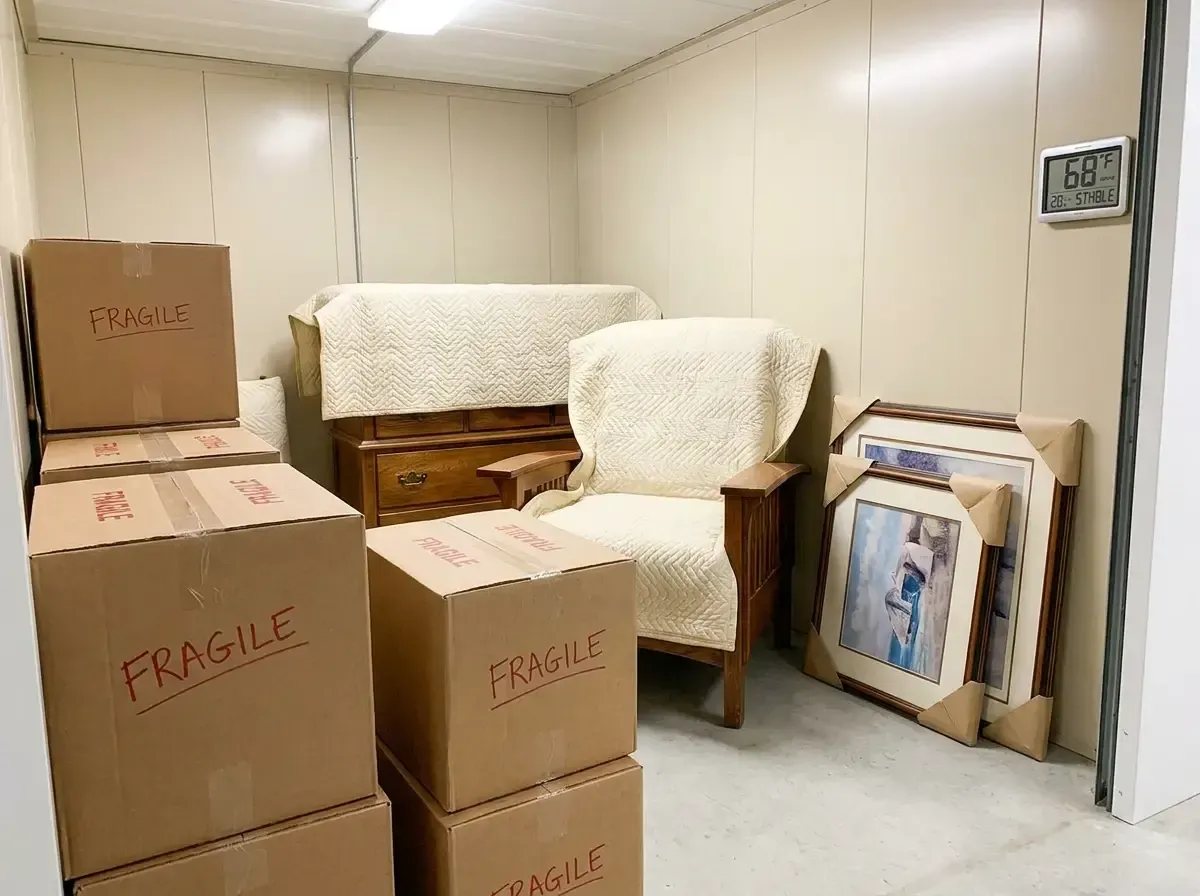
Local Storage Options in Montrose County
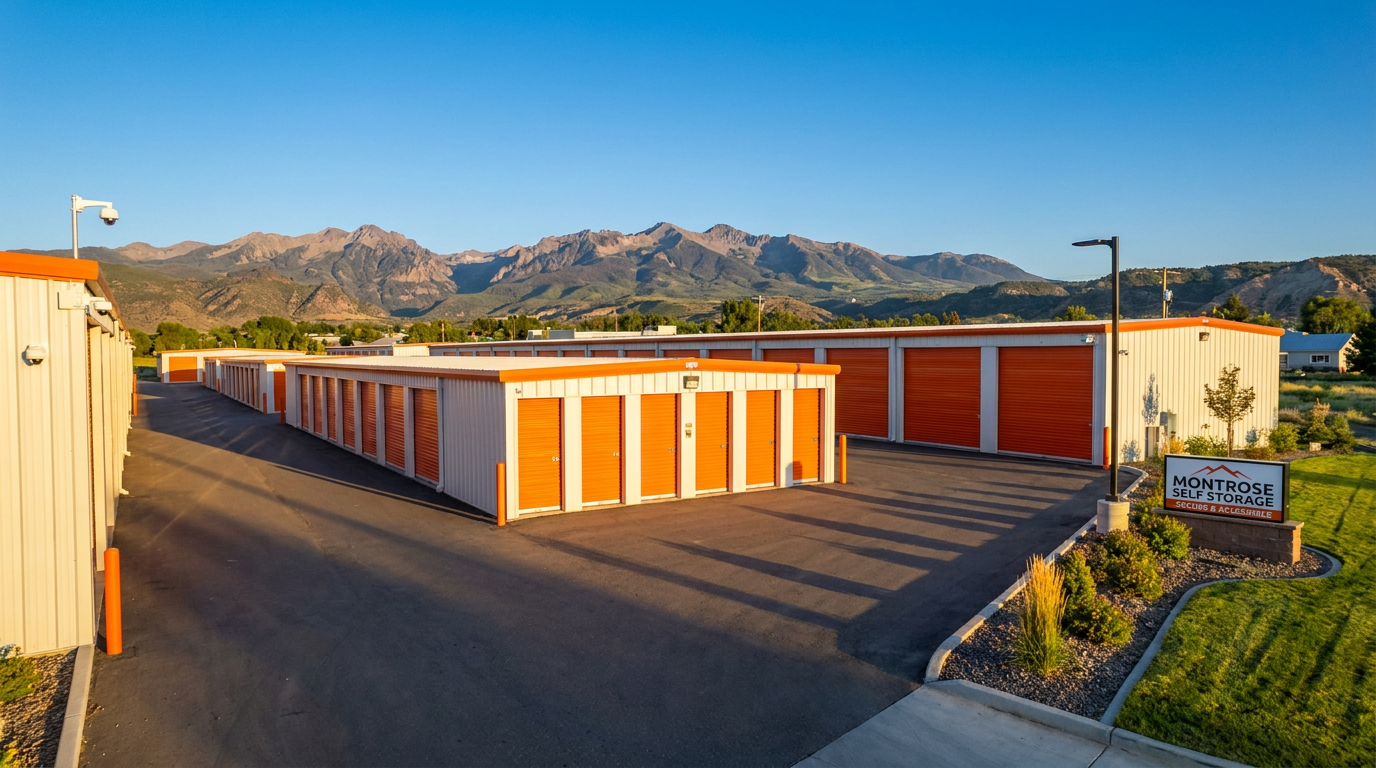
Montrose Self Storage operates four facilities across the area, offering both drive-up and indoor options to serve residents and businesses throughout Montrose County and surrounding Western Slope communities including Telluride, Ridgway, Ouray, Olathe, Delta, and Gunnison.
The facilities page provides a complete overview of available units at each location. All facilities offer 24/7 access, month-to-month leases with no deposit required, and online rental options. The FAQ page answers common questions about the rental process, access codes, and payment options.
For personalized guidance on choosing between drive-up and indoor storage for your specific situation, the local team can help assess your needs and recommend the most appropriate unit type and size. Unlike national storage chains, locally owned facilities can provide individualized service based on understanding the local climate and community needs.
|