How to Prepare Furniture for Long-Term Storage: Complete Guide |
| HOW TO PREPARE FURNITURE FOR LONG-TERM STORAGE
⏱ 9 min read ·
📄 #1,796 words
Learn how to prepare furniture for long-term storage with step-by-step cleaning, wrapping, and climate control tips. Protect wood, upholstery, and leather.
|
P reparing furniture for long-term storage requires thorough cleaning, complete disassembly of removable parts, protective wrapping with breathable materials, and placement in a climate-controlled unit maintaining 55 to 80 degrees Fahrenheit. Skipping any step risks warping, mold growth, pest infestation, or permanent fabric damage within 3 to 6 months of improper storage.
| Key Points: | |
|---|---|
| • | Clean all furniture 48 to 72 hours before storage to allow complete drying |
| • | Use cotton sheets or furniture blankets, never plastic wrap directly on surfaces |
| • | Climate-controlled units at 55 to 80 degrees Fahrenheit prevent 90% of storage damage |
| • | Elevate furniture 2 to 4 inches off concrete floors using pallets or boards |
| • | Store wood furniture away from exterior walls to prevent moisture absorption |
Why Proper Furniture Preparation Matters
Furniture stored without preparation faces significant risks. According to Extra Space Storage's furniture guide, wood furniture can warp within weeks when exposed to humidity fluctuations above 60%. Upholstered pieces absorb moisture and develop mold in as little as 48 hours in damp conditions.
The Western Slope of Colorado presents unique challenges. Montrose experiences temperature swings from below freezing in winter to above 90 degrees Fahrenheit in summer. These extremes cause wood to expand and contract, loosening joints and cracking finishes. Leather dries and cracks, while fabric fibers break down from repeated freeze-thaw cycles.
Proper preparation combined with appropriate storage conditions extends furniture lifespan by 10 to 20 years. The initial 2 to 4 hours spent preparing items saves thousands in replacement costs.
Step 1: Deep Clean Every Piece
Cleaning removes dirt, oils, and organic matter that attract pests and promote mold growth. Different materials require specific approaches for safe, thorough cleaning.
Wood Furniture Cleaning Protocol
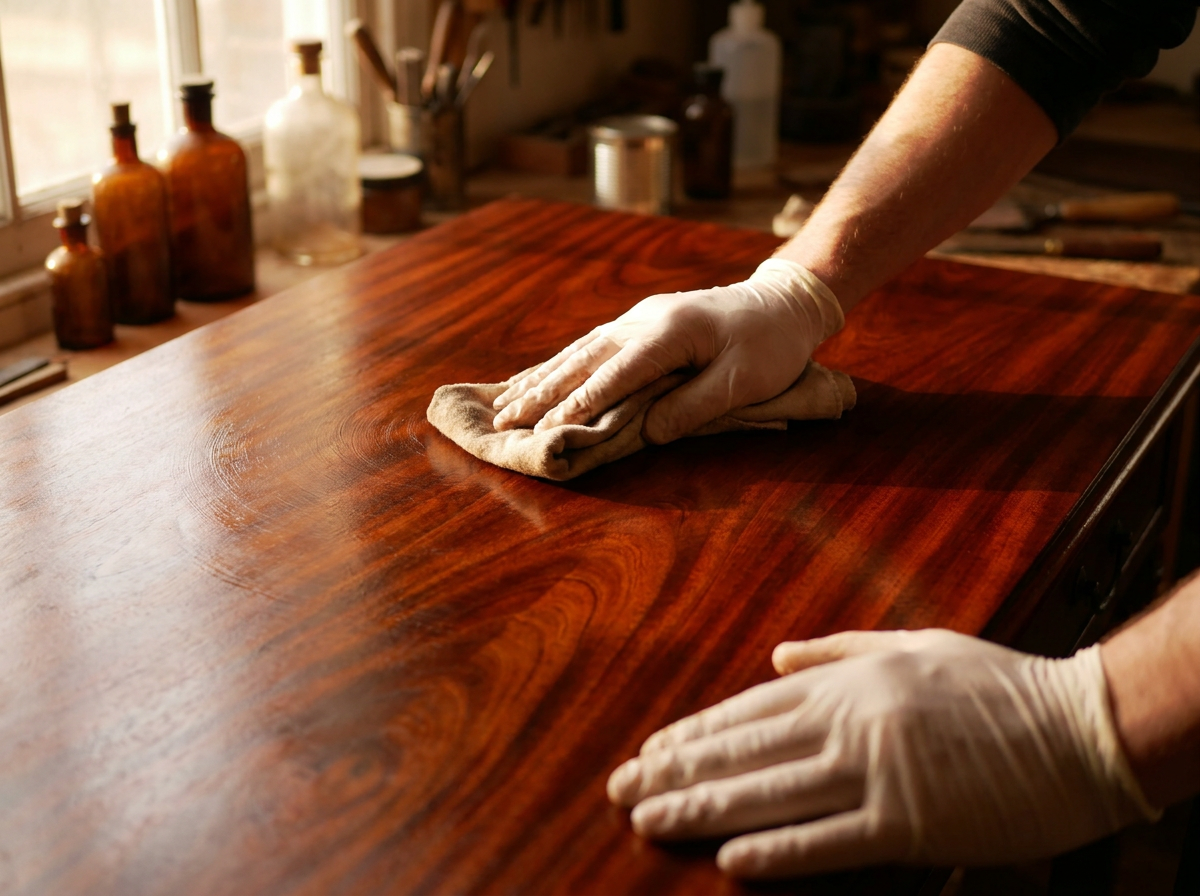
Start by vacuuming crevices with a brush attachment to remove dust and debris. Mix one tablespoon of mild dish soap with one gallon of warm water. Dampen a microfiber cloth, wring thoroughly, and wipe all surfaces following the wood grain. Dry immediately with a clean cloth.
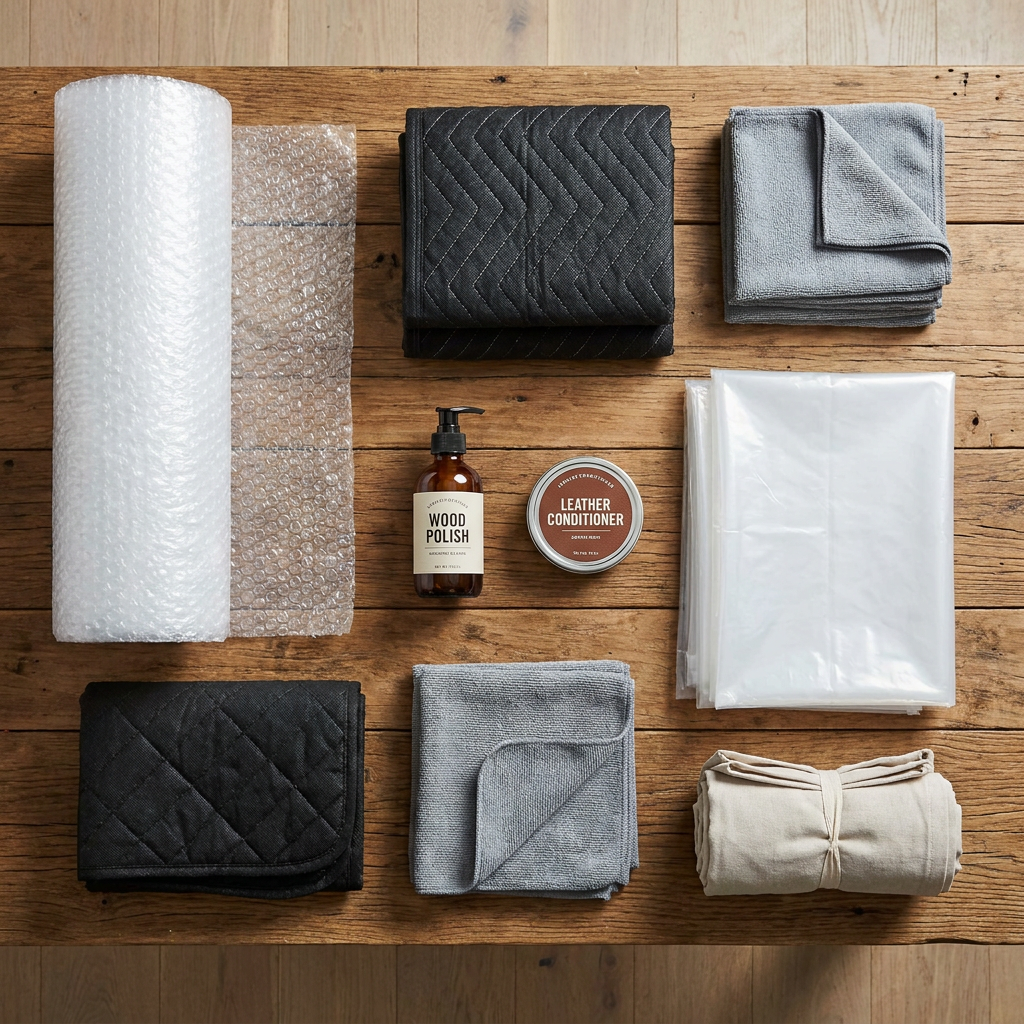
Apply a thin coat of furniture polish or paste wax after cleaning. Products like Howard Feed-N-Wax or Minwax Paste Finishing Wax create a moisture barrier that protects finishes during storage. Allow 24 hours for complete absorption before wrapping.
Upholstery and Fabric Cleaning
Vacuum all fabric surfaces using an upholstery attachment. Pay attention to seams, tufting, and areas under cushions where crumbs and pet hair accumulate. For spot cleaning, use a fabric-appropriate cleaner and test in an inconspicuous area first.
Steam cleaning is optional but recommended for pieces stored longer than 6 months. The heat kills dust mites, bacteria, and mold spores that cause odors and deterioration. Allow 48 to 72 hours of drying time in a well-ventilated area before storage.
Leather and Vinyl Care
Clean leather with a pH-balanced leather cleaner like Lexol or Leather Honey. Apply conditioner after cleaning to prevent drying and cracking during storage. Avoid petroleum-based products that can damage leather over time. For vinyl, use a mild all-purpose cleaner and skip conditioning products.
Step 2: Disassemble Large Pieces
Disassembly serves two purposes: protecting delicate components and maximizing storage space efficiency. A properly disassembled bedroom set fits in a 10x10 unit rather than requiring a 10x15 space.
What to Disassemble
Remove all detachable legs from tables, sofas, and chairs. Take apart bed frames completely, including headboards, footboards, and side rails. Remove drawers from dressers and desks. Detach mirrors from dressers and vanities. Take glass shelves out of cabinets and bookcases.
Hardware Organization System
Place all screws, bolts, and small hardware in labeled plastic bags. Tape bags directly to the furniture piece they belong to, or store them inside a drawer from that piece. Take photos of assembly configurations before disassembly for easier reassembly later. According to Yahoo's moving guide, keeping hardware with furniture prevents the frustration of missing pieces during reassembly.
Step 3: Choose the Right Protective Wrapping
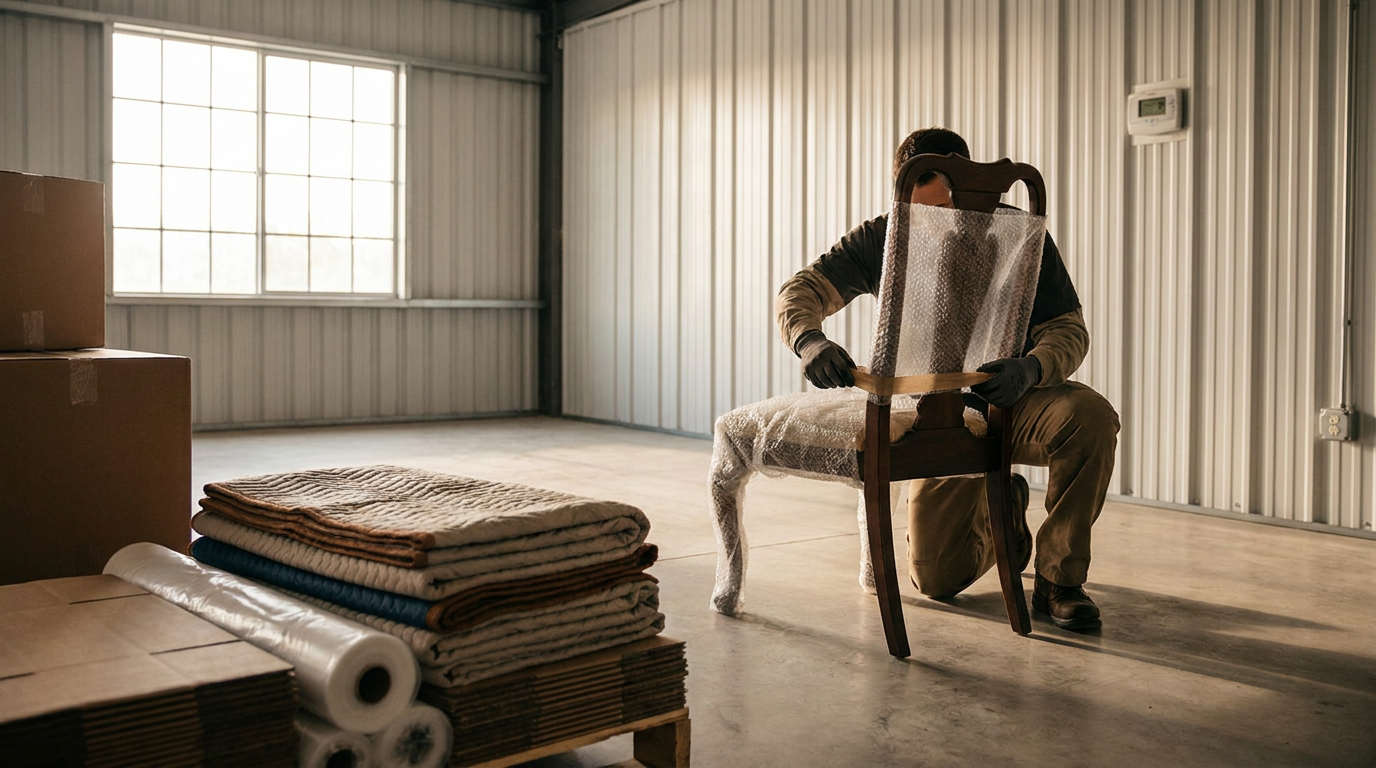
Wrapping materials make or break furniture preservation. The wrong choice traps moisture and causes more damage than no protection at all.
| Material Type | Recommended Wrapping | Never Use |
|---|---|---|
| Solid Wood | Cotton blankets, furniture pads | Plastic wrap directly on surface |
| Upholstered | Breathable fabric covers, old sheets | Non-breathable plastic |
| Leather | Cotton muslin, breathable furniture covers | Vinyl tarps, plastic sheeting |
| Glass/Mirrors | Bubble wrap, then cardboard | Newspaper (ink transfers) |
| Metal | Moving blankets, rust inhibitor spray | Damp materials |
The Plastic Wrap Myth
Plastic wrap seems protective but creates a moisture trap. As noted by experienced self-storage users on Reddit, plastic wrap against wood or fabric traps humidity and causes condensation during temperature changes. This moisture has nowhere to escape, leading to mold growth, wood rot, and permanent fabric damage.
If you must use plastic for waterproofing during transport, remove it immediately upon reaching the storage unit. Replace with breathable cotton sheets or purpose-made furniture covers from U-Haul, Home Depot, or Amazon.
Step 4: Select Climate-Controlled Storage
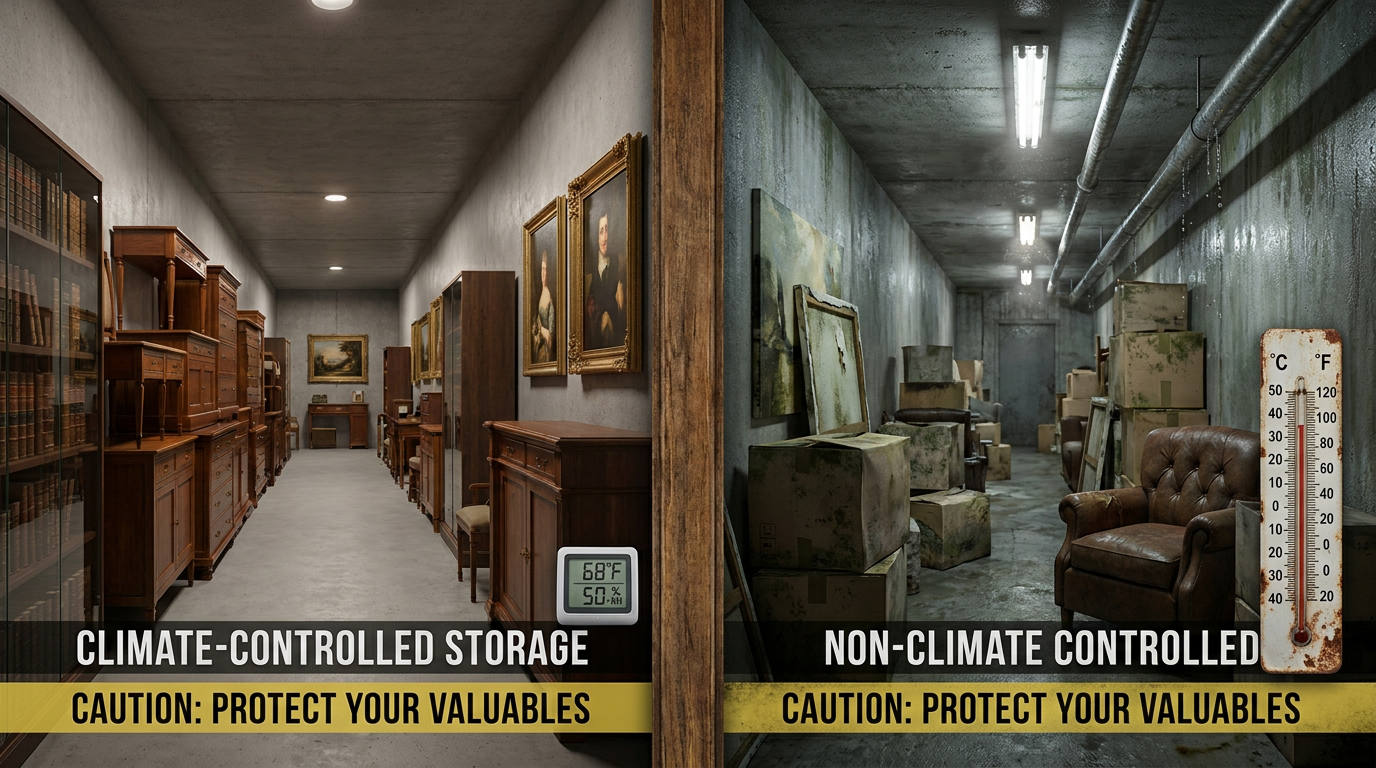
Climate control is not optional for furniture stored longer than 30 days. The investment of $30 to $90 additional monthly cost prevents damage worth hundreds or thousands of dollars.
When Climate Control Is Essential
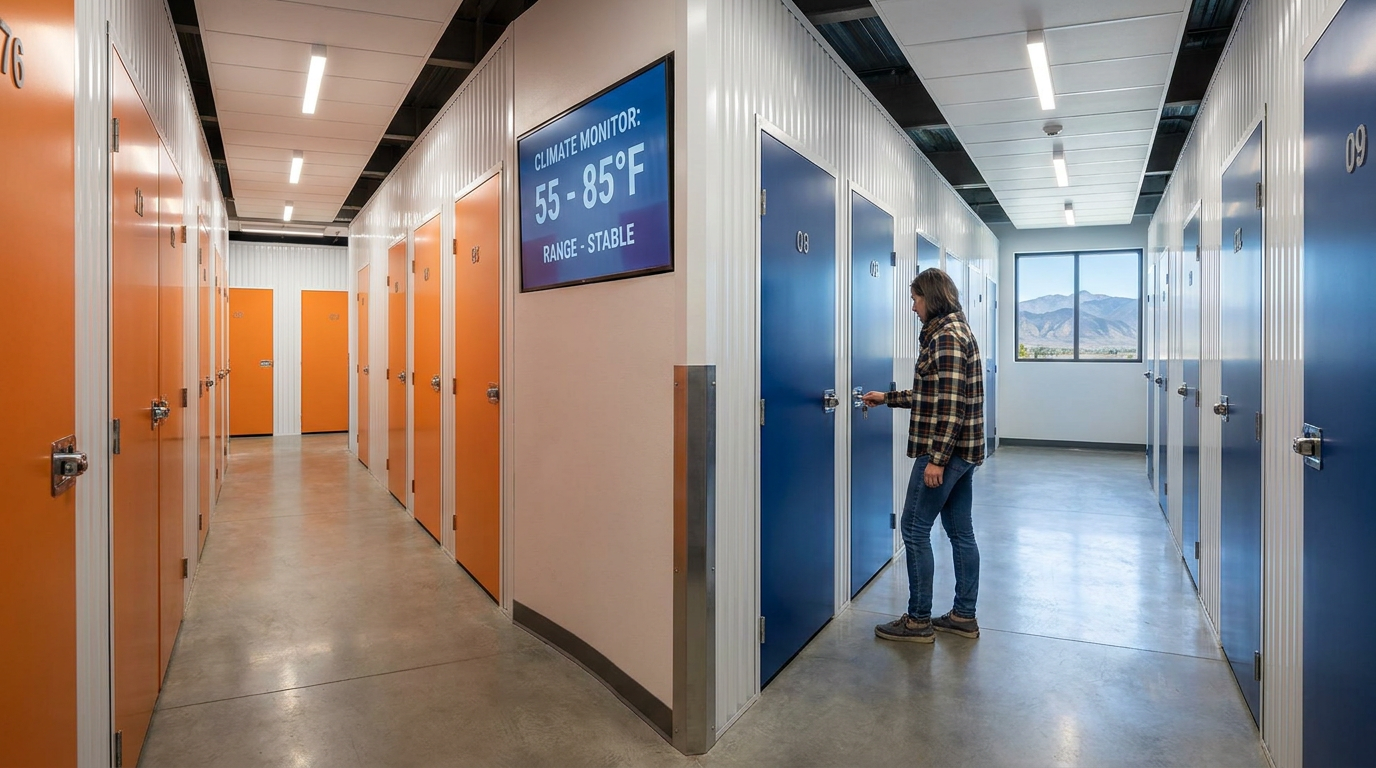
Antique furniture, real wood pieces, leather items, and upholstered furniture all require temperature and humidity regulation. Electronics built into furniture, such as recliners with USB ports, also need protection from extreme temperatures. According to Store Space's packing guide, climate-controlled units maintain temperatures between 55 and 80 degrees Fahrenheit year-round.
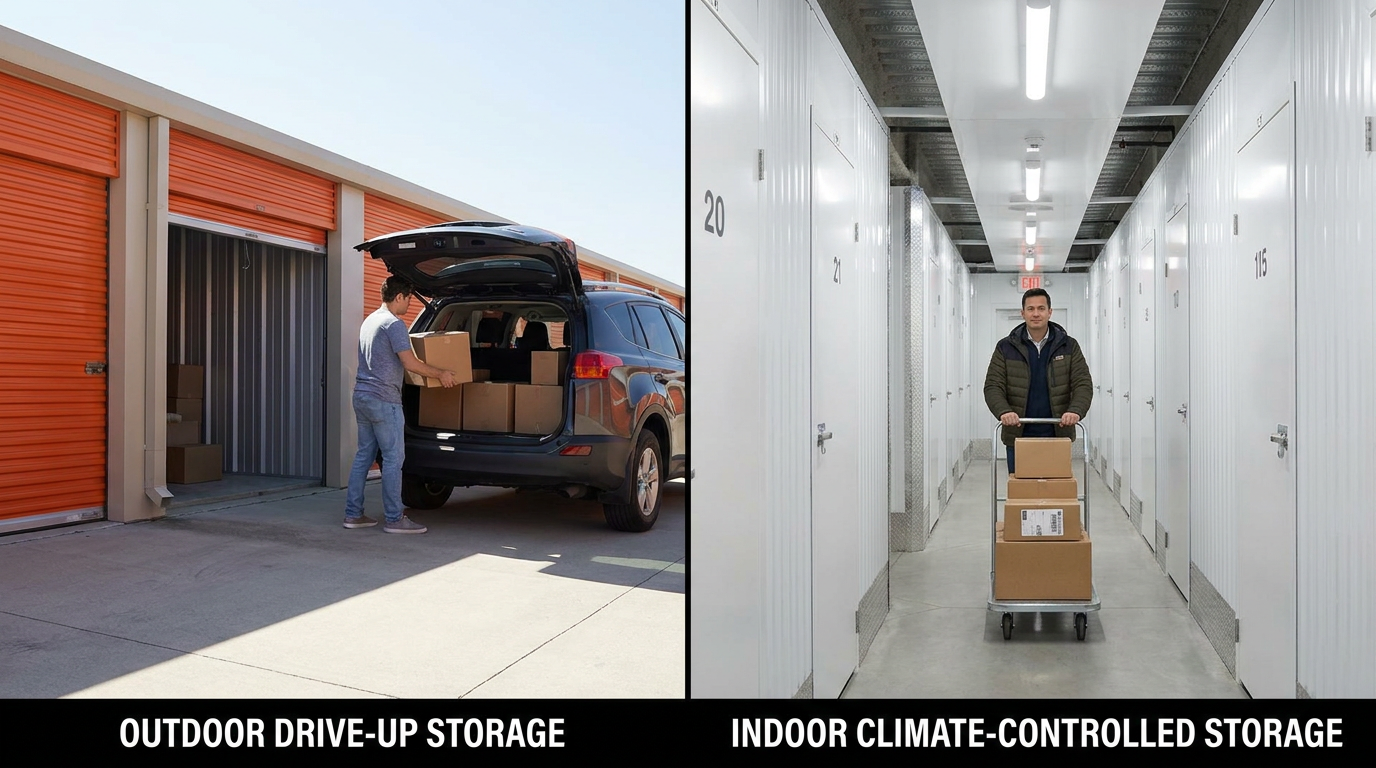
Our N 9th Street facility offers climate-controlled units starting at $85 per month for 4x5 spaces, ideal for protecting valuable furniture from Colorado's temperature extremes. Larger 10x10 climate-controlled interior units at $215 per month accommodate full bedroom sets with room for additional items.
Standard Storage Limitations
Non-climate-controlled units work for metal furniture, outdoor patio sets, and items you can afford to replace. Particle board furniture from IKEA or similar manufacturers tolerates standard storage for 3 to 6 months in moderate climates but may swell or delaminate in humid conditions.
Step 5: Arrange Items Strategically
How you position furniture inside the unit affects condition as much as preparation. Strategic arrangement prevents crushing, scratching, and moisture damage.
Floor Protection Requirements
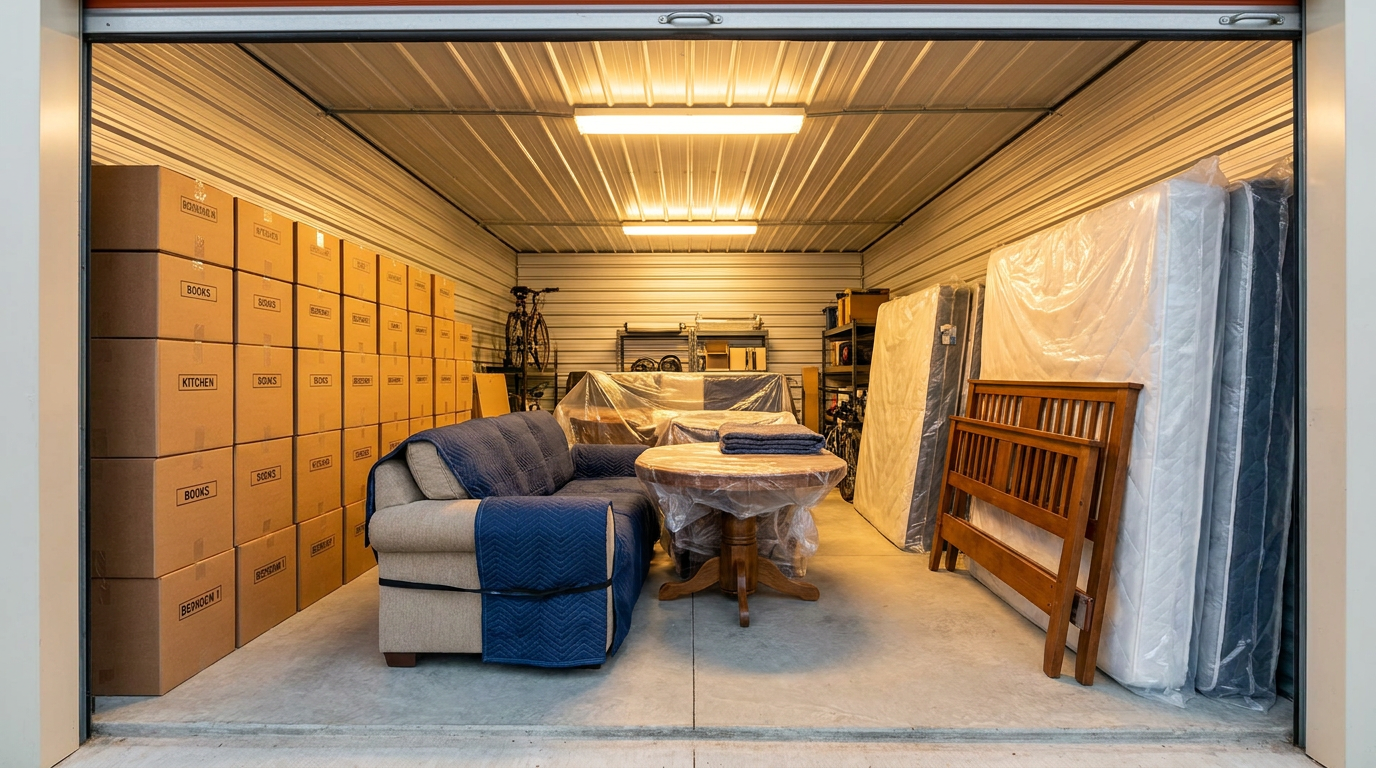
Never place furniture directly on concrete floors. Concrete absorbs and releases moisture, transferring it to furniture legs and bases. Use wooden pallets, 2x4 boards, or plastic shelving units to create 2 to 4 inches of clearance. This air gap prevents moisture wicking and allows ventilation.
Positioning Best Practices
Place heavy items like dressers and bookshelves against interior walls, not exterior walls that experience temperature fluctuations. Store sofas and mattresses upright to save floor space, but support them properly to prevent warping. Position frequently accessed items near the unit entrance.
Leave 2 to 3 inches between furniture and walls for air circulation. Create walking paths through the unit for periodic inspection. Stack lighter items on heavier ones, never the reverse. Not sure how much space you need? Use our storage unit size guide to find the right fit for your furniture.
Items That Should Not Go in Storage
Certain items damage furniture when stored together or pose safety hazards. Remove these before loading your unit.
Food and perishables attract pests that damage upholstery and wood. Even sealed packages can leak or attract rodents. Flammable materials including paint, gasoline, and cleaning solvents create fire hazards and violate most facility agreements. Plants die without light and water, then attract mold and insects.
Wet or damp items introduce moisture that spreads to everything in the unit. Ensure all items are completely dry before storage. Valuables without insurance like jewelry, cash, and irreplaceable documents belong in a safe deposit box, not a storage unit.
Preventing Mold in Stored Furniture
Mold requires moisture, warmth, and organic material to grow. Eliminating any one factor prevents mold development entirely.
Pre-Storage Prevention
Ensure furniture is bone dry before storage. Run a dehumidifier in your home for 24 to 48 hours before moving day if humidity exceeds 50%. Clean thoroughly to remove dust and organic matter that feed mold spores. Apply mold-resistant sprays to fabric items if storing in non-climate-controlled spaces.
In-Unit Prevention
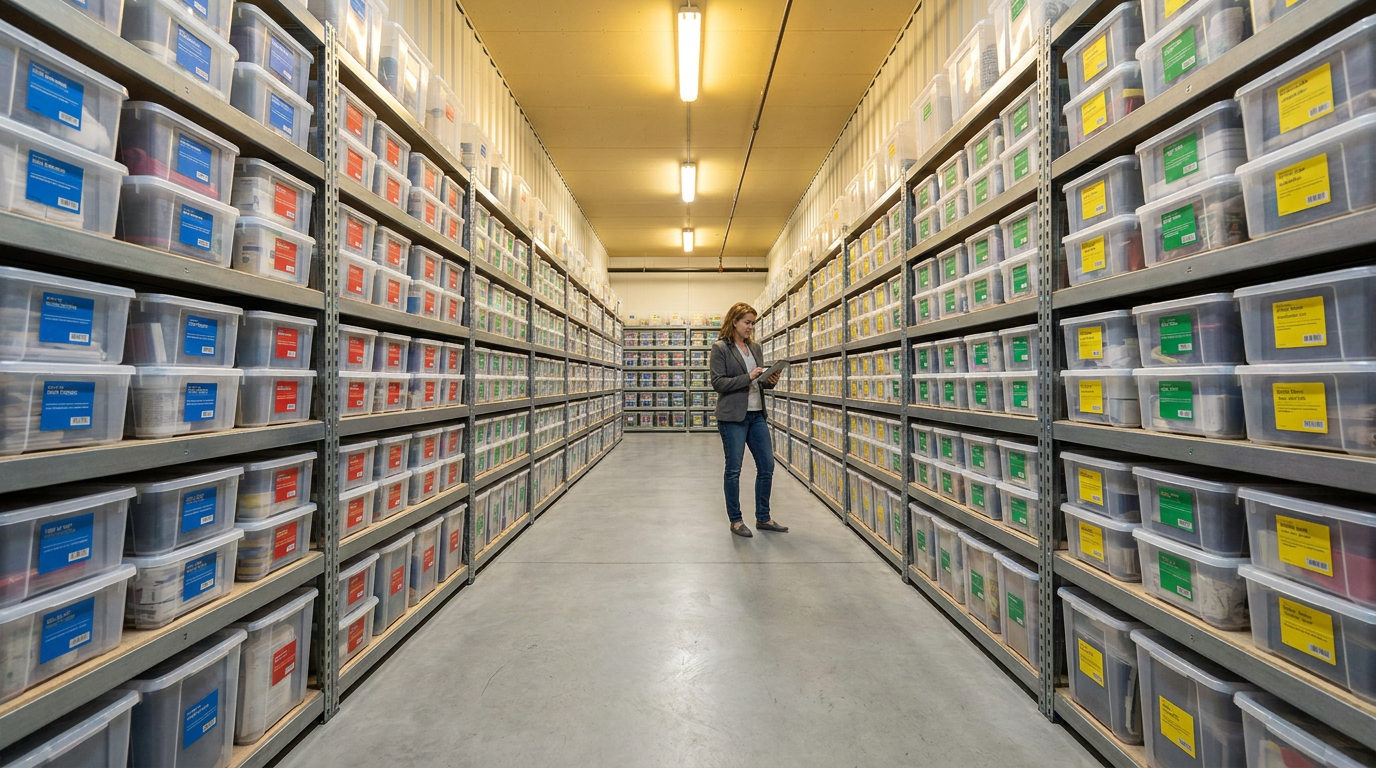
Place moisture absorbers like DampRid or silica gel packets throughout the unit. One container per 100 square feet provides adequate protection. Replace absorbers every 30 to 60 days during humid months. Avoid storing during rain or high humidity days when moisture enters the unit during loading.
Visit your unit monthly to check for moisture, musty odors, or visible mold. Early detection prevents spread to other items. Have questions about access and inspections? Our storage FAQ covers everything from move-in to move-out.
Long-Term Storage Maintenance Schedule
Furniture in storage requires periodic attention. Neglecting maintenance allows small problems to become irreversible damage.
| Timeframe | Maintenance Tasks |
|---|---|
| Monthly | Visual inspection, check moisture absorbers, verify no pest activity |
| Quarterly | Remove covers and inspect for damage, reposition items if needed |
| Every 6 Months | Condition leather, apply fresh furniture polish to wood |
| Annually | Deep clean unit, replace all moisture absorbers, update inventory |
Cost Comparison: Preparation vs. Replacement
Investing in proper preparation costs significantly less than replacing damaged furniture. The numbers make the case clearly.
Quality furniture pads cost $15 to $30 each, with a full set running $100 to $200. Moisture absorbers cost $10 to $20 per unit. Climate-controlled storage adds $30 to $90 monthly compared to standard units. Total first-year preparation and storage premium: approximately $500 to $1,300.
Replacing a damaged leather sofa costs $1,500 to $4,000. A solid wood dining set runs $2,000 to $6,000. A quality mattress costs $800 to $2,500. One piece of damaged furniture exceeds years of proper storage investment.
Furniture Storage Checklist
Use this checklist before closing your storage unit door:
- All pieces cleaned and completely dry (48 to 72 hours drying time)
- Wood furniture polished or waxed
- Leather conditioned within past week
- All removable parts disassembled
- Hardware bagged, labeled, and attached to corresponding furniture
- Photos taken of assembly configurations
- Breathable covers on all upholstered pieces
- Furniture pads protecting all wood surfaces
- Glass and mirrors wrapped in bubble wrap and cardboard
- All items elevated 2 to 4 inches off floor
- 2 to 3 inch gap between items and walls
- Moisture absorbers placed throughout unit
- Climate control confirmed if storing sensitive items
- Inventory list created with photos
- Insurance coverage verified
Finding the Right Storage Solution in Montrose
Proper furniture storage combines preparation, appropriate unit selection, and ongoing maintenance. Climate-controlled units provide the protection furniture needs to emerge from storage in the same condition it entered.
Learn more about our locally owned and operated team and why we offer personalized service that national chains cannot match. Browse all four of our Montrose storage locations to find the right unit size and features for your furniture storage needs.
|