Indoor vs Outdoor Storage Units: Complete Comparison Guide |
| INDOOR STORAGE VS OUTDOOR STORAGE UNITS: COMPLETE COMPARISON GUIDE
⏱ 12 min read ·
📄 #2,210 words
Compare indoor and outdoor storage units side by side. Learn which type protects your belongings best, costs less, and fits your access needs in Montrose, CO.
|
I ndoor storage units offer better protection from temperature swings and dust, while outdoor drive-up units provide easier vehicle access and typically cost 15-30% less per month. The right choice depends on what you are storing, how often you need access, and whether your belongings require climate protection.
| Key Points: | |
|---|---|
| • | Indoor units maintain temperatures between 55-80 degrees Fahrenheit, protecting electronics, wood furniture, and documents |
| • | Outdoor drive-up units cost $62-165 per month for 10x10 spaces versus $119-154 for comparable indoor units |
| • | Drive-up access reduces loading time by 50-70% for heavy items like appliances and furniture |
| • | Climate-controlled storage is essential when local temperatures exceed 90 degrees or drop below 32 degrees Fahrenheit |
| • | Western Slope Colorado experiences 40-60 degree daily temperature swings, making climate control valuable for sensitive items |
What Indoor and Outdoor Storage Actually Means
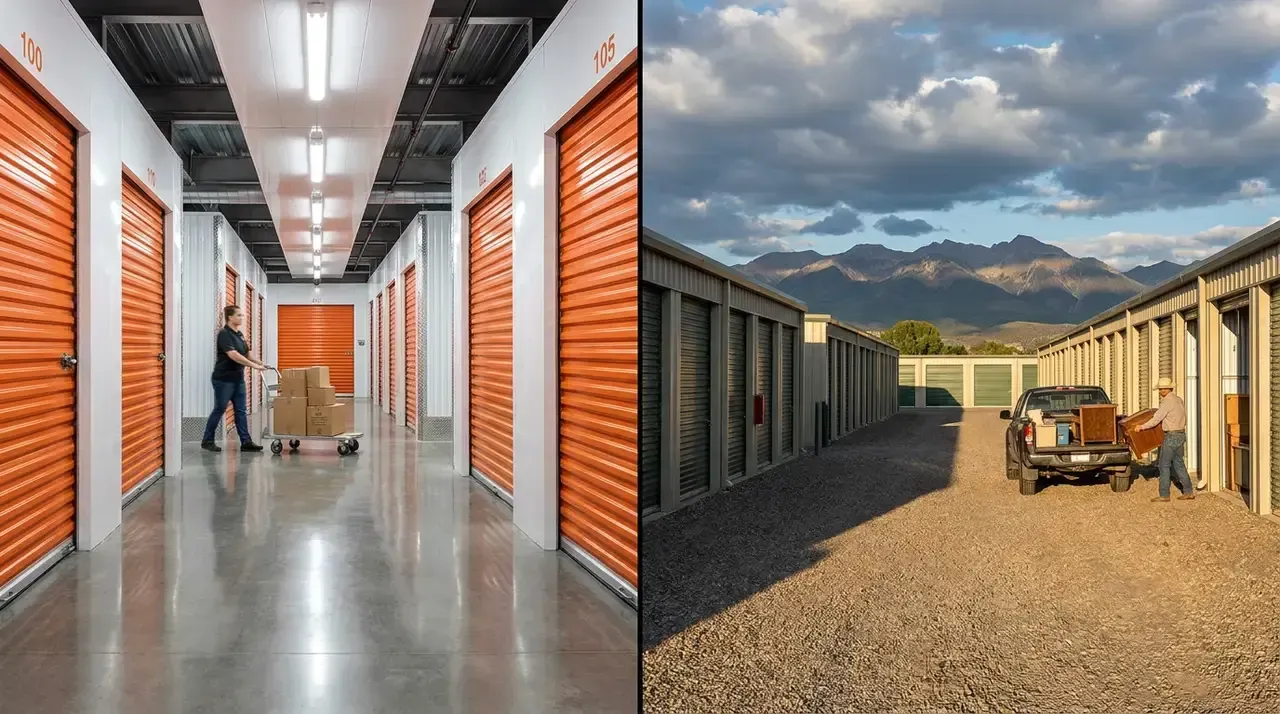
The terms indoor and outdoor storage describe where your unit is located within a facility, not whether your belongings sit outside. According to Extra Space Storage's comparison guide, indoor units are accessed through interior hallways inside a larger building, while outdoor units have exterior-facing doors you can drive directly up to.
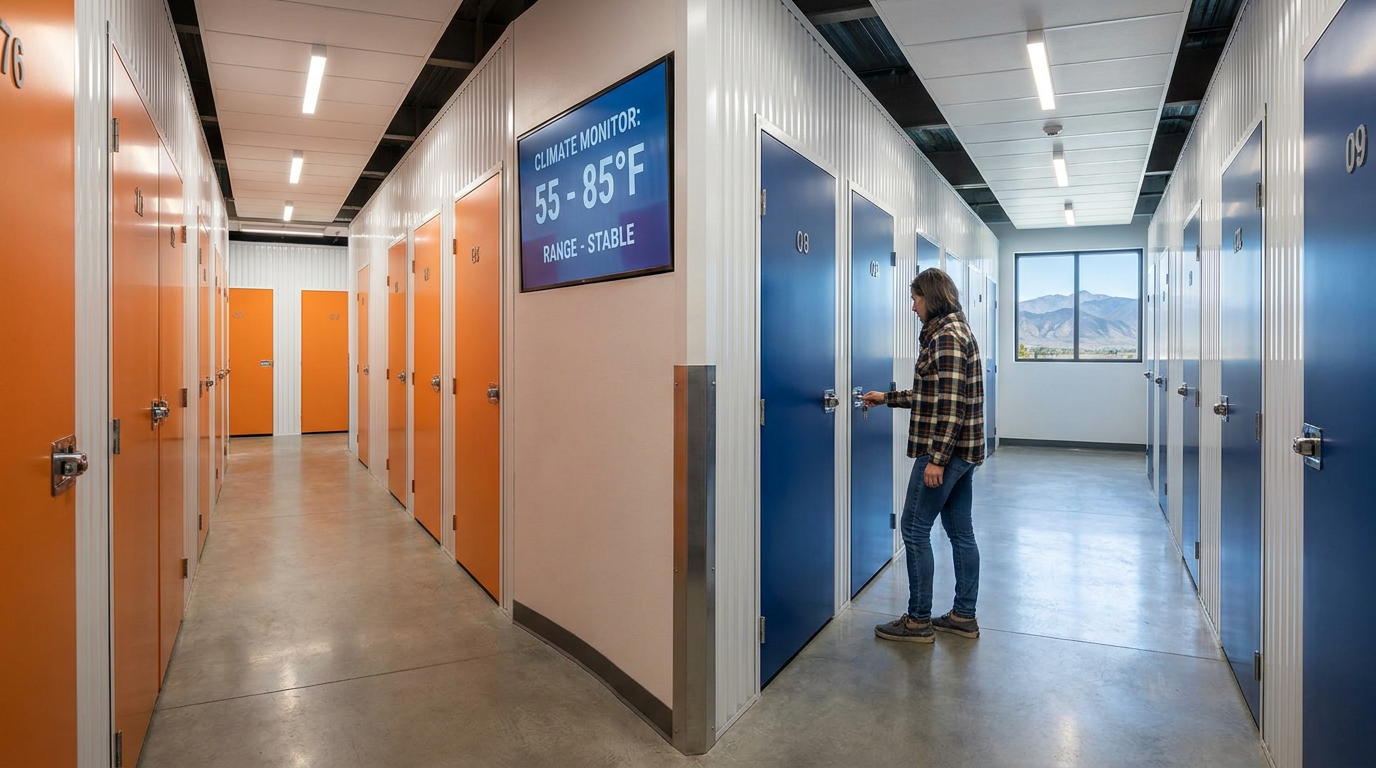
Indoor storage facilities typically feature climate control systems, interior corridors, and controlled building access. Units range from small 4x5 closet-sized spaces to large 10x20 rooms. The Self Storage Association reports that approximately 42% of all storage units in the United States now offer climate control features.
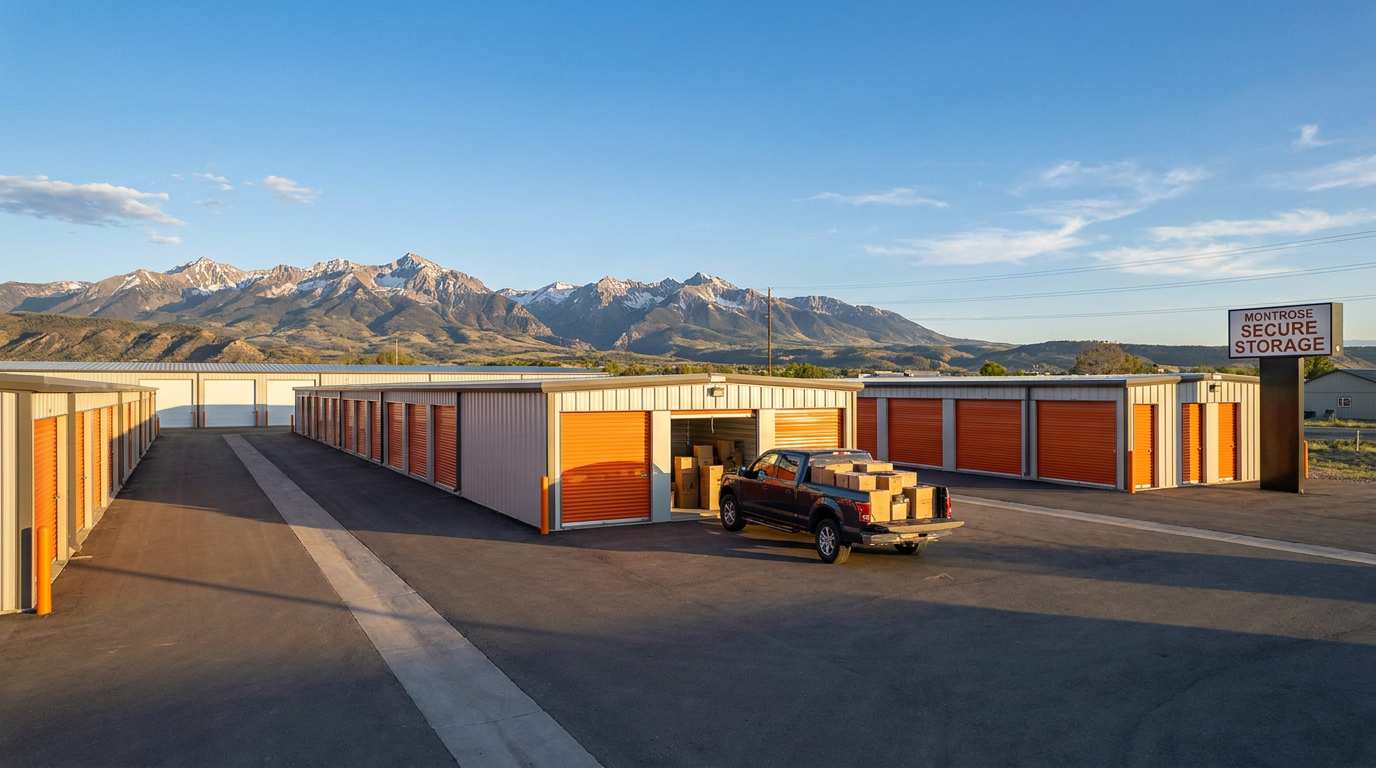
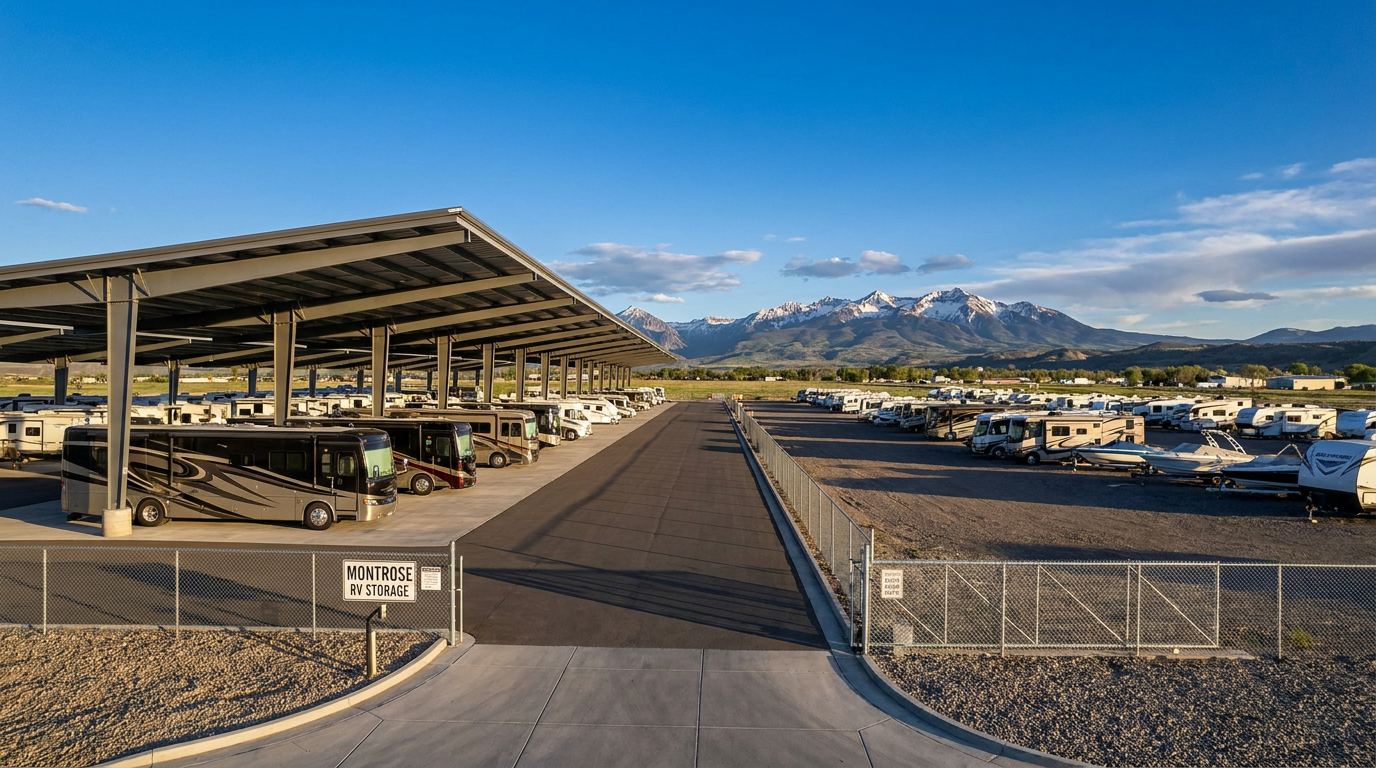
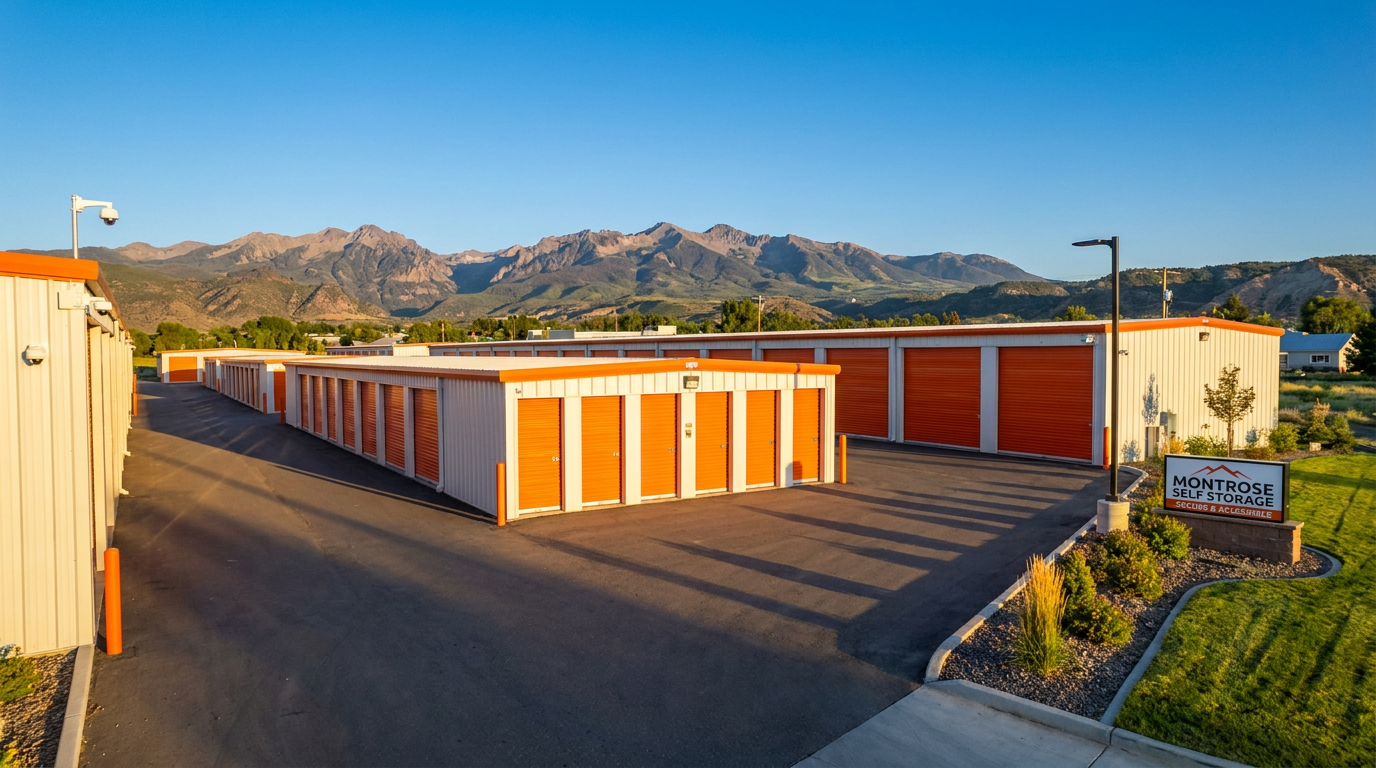
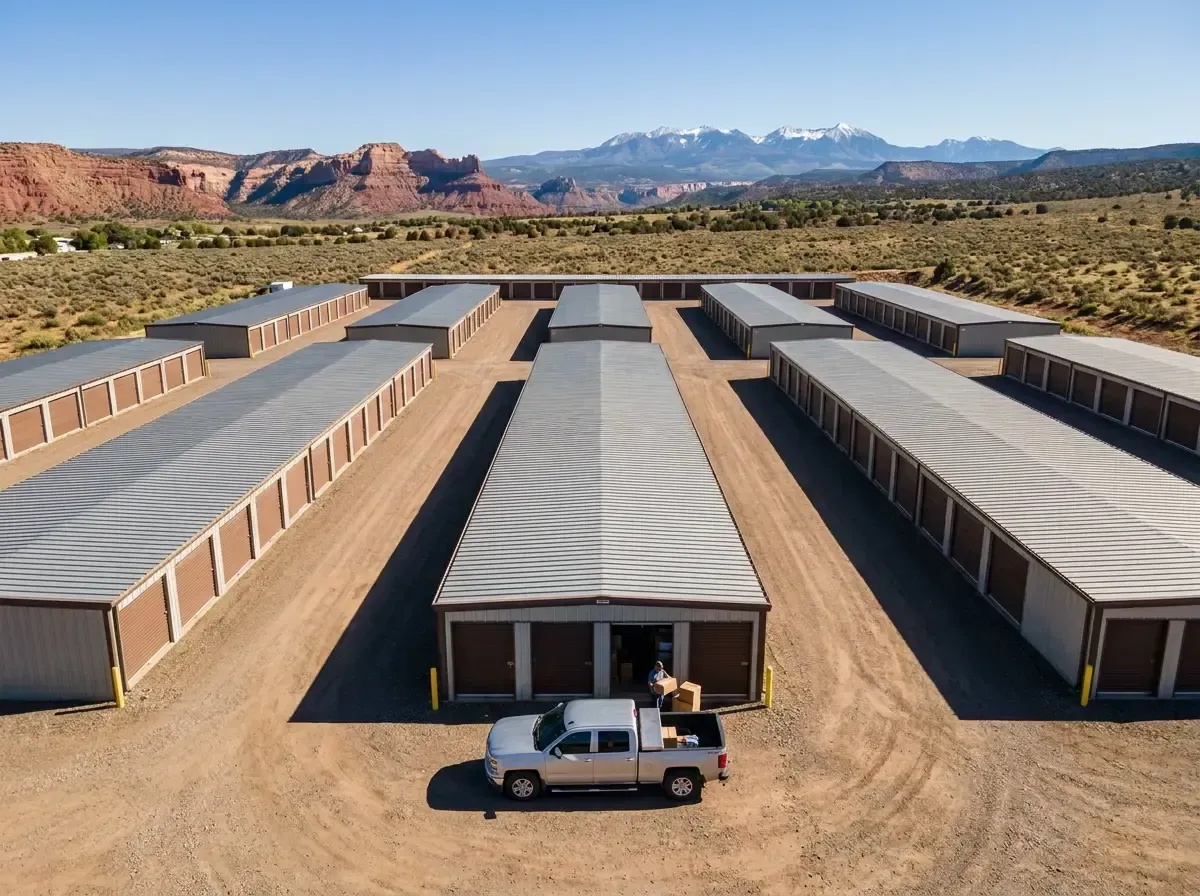
Outdoor storage, commonly called drive-up storage, places your unit door facing a driveway or parking area. You park your vehicle directly at the unit entrance, similar to a residential garage. This design prioritizes loading convenience over environmental protection.
Side-by-Side Comparison: Indoor vs Outdoor Storage
| Factor | Indoor Storage | Outdoor Drive-Up Storage |
|---|---|---|
| Temperature Range | 55-80 degrees F (climate controlled) | Matches outdoor conditions |
| Monthly Cost (10x10) | $119-154 | $62-165 |
| Loading Convenience | Requires carts, hallways, sometimes elevators | Park directly at unit door |
| Weather Protection | Excellent; fully enclosed building | Good; individual unit is enclosed |
| Dust and Debris | Minimal exposure | Some exposure when door opens |
| Best For | Electronics, documents, antiques, furniture | Vehicles, equipment, frequent-access items |
| Access Time | 5-10 minutes to reach unit | 1-2 minutes to reach unit |
When Indoor Storage Is the Better Choice
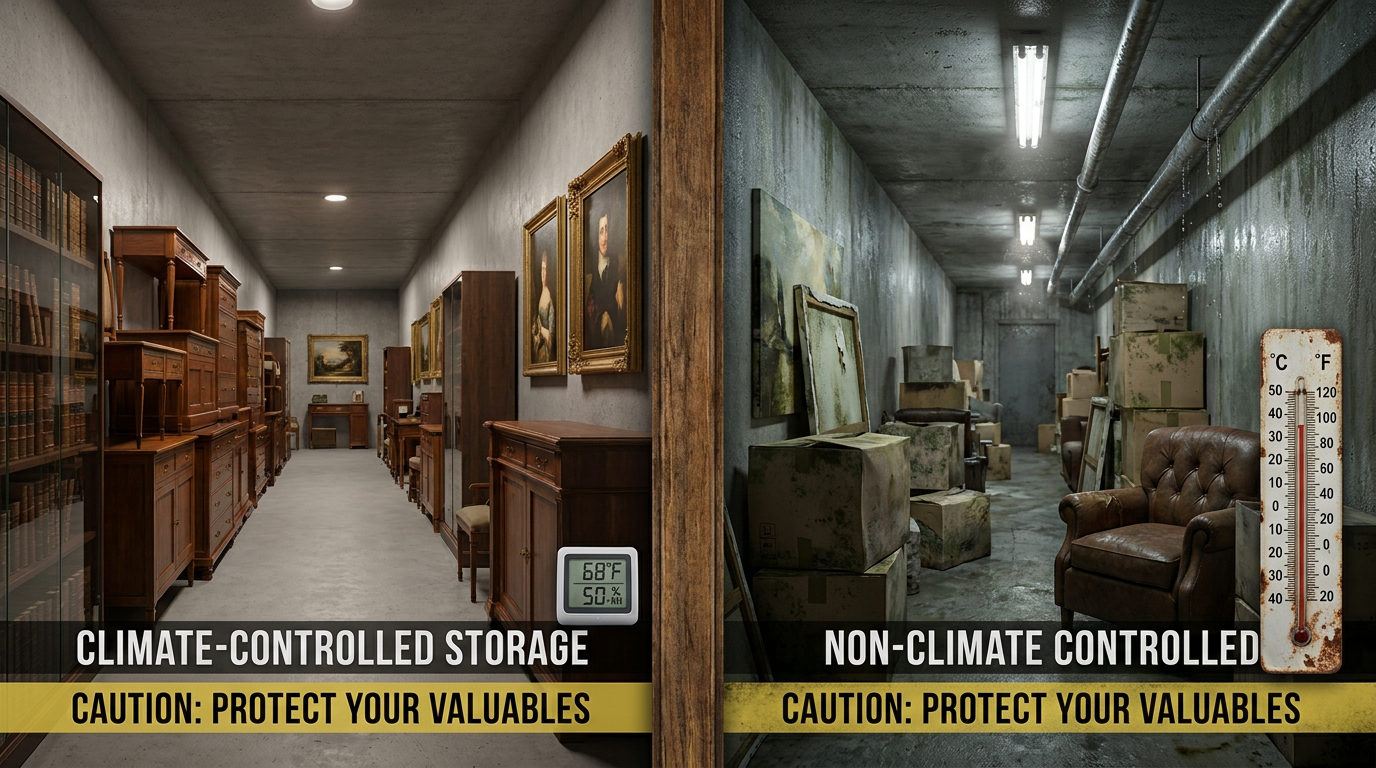
Indoor storage units excel at protecting temperature-sensitive belongings. The National Archives and Records Administration recommends storing paper documents at 65-70 degrees Fahrenheit with 30-40% relative humidity. Indoor climate-controlled units maintain these conditions year-round, preventing yellowing, brittleness, and mold growth.
Wood furniture expands and contracts with temperature changes. According to the U-Haul storage comparison guide, repeated expansion and contraction cycles cause cracking, warping, and joint separation in wooden pieces. Antique furniture, musical instruments, and hardwood items benefit significantly from stable indoor temperatures.
Electronics contain components sensitive to moisture and extreme temperatures. Laptop batteries, for example, degrade rapidly when stored above 95 degrees Fahrenheit. The Consumer Electronics Association notes that humidity above 80% can cause corrosion on circuit boards within weeks. Indoor storage protects these investments.
Items That Require Indoor Climate-Controlled Storage
- Electronics: Computers, televisions, gaming consoles, audio equipment
- Documents: Tax records, legal papers, photographs, artwork
- Furniture: Wooden pieces, leather upholstery, antiques
- Clothing: Leather goods, formal wear, vintage textiles
- Collectibles: Wine, stamps, coins, comic books, vinyl records
- Musical instruments: Pianos, guitars, violins, brass instruments
- Medical equipment: Wheelchairs, CPAP machines, mobility devices
Our N 9th Street facility offers climate-controlled units starting at $71 per month for 4x5 spaces, providing year-round temperature stability for sensitive belongings.
When Outdoor Drive-Up Storage Makes More Sense
Outdoor drive-up units prioritize accessibility over environmental control. If you visit your storage unit weekly or need to load heavy items, the convenience factor outweighs climate benefits. According to Meathead Mini Storage's analysis, drive-up access reduces average loading time from 45 minutes to under 15 minutes for a typical furniture move.
Contractors, landscapers, and small business owners often prefer drive-up units for inventory and equipment storage. Loading a riding mower or pallet of supplies through interior hallways is impractical. Drive-up access allows backing a trailer directly to the unit entrance.
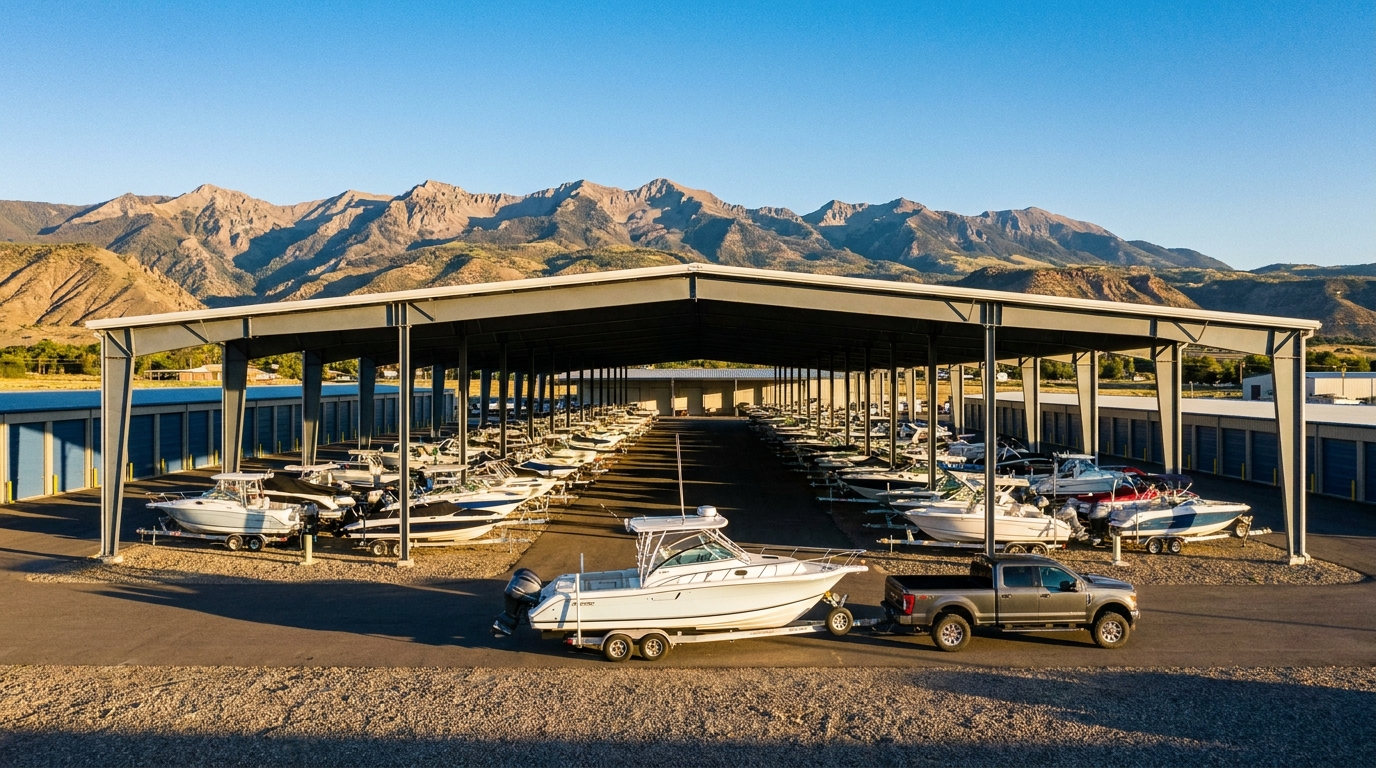
Vehicle storage represents another primary use case for outdoor units. Motorcycles, ATVs, boats, and seasonal vehicles fit easily into drive-up spaces. The larger door openings, typically 8-10 feet wide, accommodate most recreational vehicles without difficulty.
Items Well-Suited for Outdoor Drive-Up Storage
- Vehicles: Motorcycles, ATVs, boats, jet skis, classic cars
- Equipment: Lawn mowers, snow blowers, power tools
- Business inventory: Construction materials, landscaping supplies
- Seasonal items: Camping gear, holiday decorations, sports equipment
- Large appliances: Refrigerators, washers, dryers (short-term only)
- Outdoor furniture: Metal patio sets, plastic chairs, grills
Browse our four Montrose storage locations to compare drive-up unit availability and current promotional pricing.
Climate Considerations for Western Slope Colorado
Montrose County experiences significant temperature variations that affect storage decisions. The National Weather Service records summer highs exceeding 95 degrees Fahrenheit and winter lows dropping below zero. Daily temperature swings of 40-60 degrees are common during spring and fall months.
Humidity levels in the Western Slope region average 30-50%, lower than many parts of the country. While this reduces mold risk, the dry air can cause leather to crack and wooden instruments to split. Climate-controlled storage maintains consistent humidity levels between 30-50%, preventing moisture-related damage in both directions.
Elevation plays a role as well. Montrose sits at 5,807 feet, where intense UV exposure and rapid temperature changes stress materials differently than sea-level locations. Items stored in outdoor units experience these fluctuations directly, while indoor climate-controlled spaces buffer against environmental extremes.
Local Temperature Impact on Stored Items
| Item Category | Temperature Sensitivity | Recommended Storage Type |
|---|---|---|
| Wine collection | Requires 55-65 degrees F | Indoor climate-controlled only |
| Metal tools | Low; tolerates wide range | Outdoor drive-up acceptable |
| Photographs | Degrades above 75 degrees F | Indoor climate-controlled |
| Camping equipment | Moderate; designed for outdoors | Outdoor drive-up acceptable |
| Leather furniture | Cracks in dry heat or cold | Indoor climate-controlled |
Pricing Comparison: What Storage Actually Costs
Indoor climate-controlled units typically cost 20-50% more than comparable outdoor drive-up spaces. The price difference reflects construction costs, HVAC systems, and higher operating expenses. However, the cost-per-square-foot difference narrows for larger units.
At Montrose Self Storage, a 10x10 indoor unit at the N 9th Street location rents for $119 per month. Comparable 10x10 drive-up units range from $62 per month at Spring Creek(with current 50% promotional discount) to $165 per month at Fruit Park. The price variation reflects location, amenities, and current promotions.
For budget-conscious renters, outdoor drive-up units offer significant savings. A family storing furniture during a home renovation might save $400-700 over six months by choosing a drive-up unit over climate-controlled space, assuming their items tolerate temperature variation.
Current Pricing at Montrose Self Storage Facilities
| Unit Type | Size | Monthly Rate | Location |
|---|---|---|---|
| Climate Controlled Indoor | 4x5 | $71 | N 9th Street |
| Interior Ground (Indoor) | 10x10 | $119 | N 9th Street |
| Drive-Up Outdoor | 10x10 | $62* | Spring Creek |
| Drive-Up Outdoor | 10x20 | $142* | Spring Creek |
| Drive-Up Outdoor | 10x25 | $99.50* | N 9th Street |
*Promotional pricing; regular rates may apply after initial period
Security Considerations for Both Storage Types
Security features matter more than whether a unit is indoor or outdoor. According to the Self Storage Association, facilities with gated access, security cameras, and individual unit alarms report 73% fewer break-in attempts than facilities lacking these features.
Indoor units often feel more secure because access requires passing through a main building entrance. However, this perception does not always match reality. A well-designed outdoor facility with perimeter fencing, coded gate access, and surveillance cameras may offer equal or better security than an indoor facility with minimal monitoring.
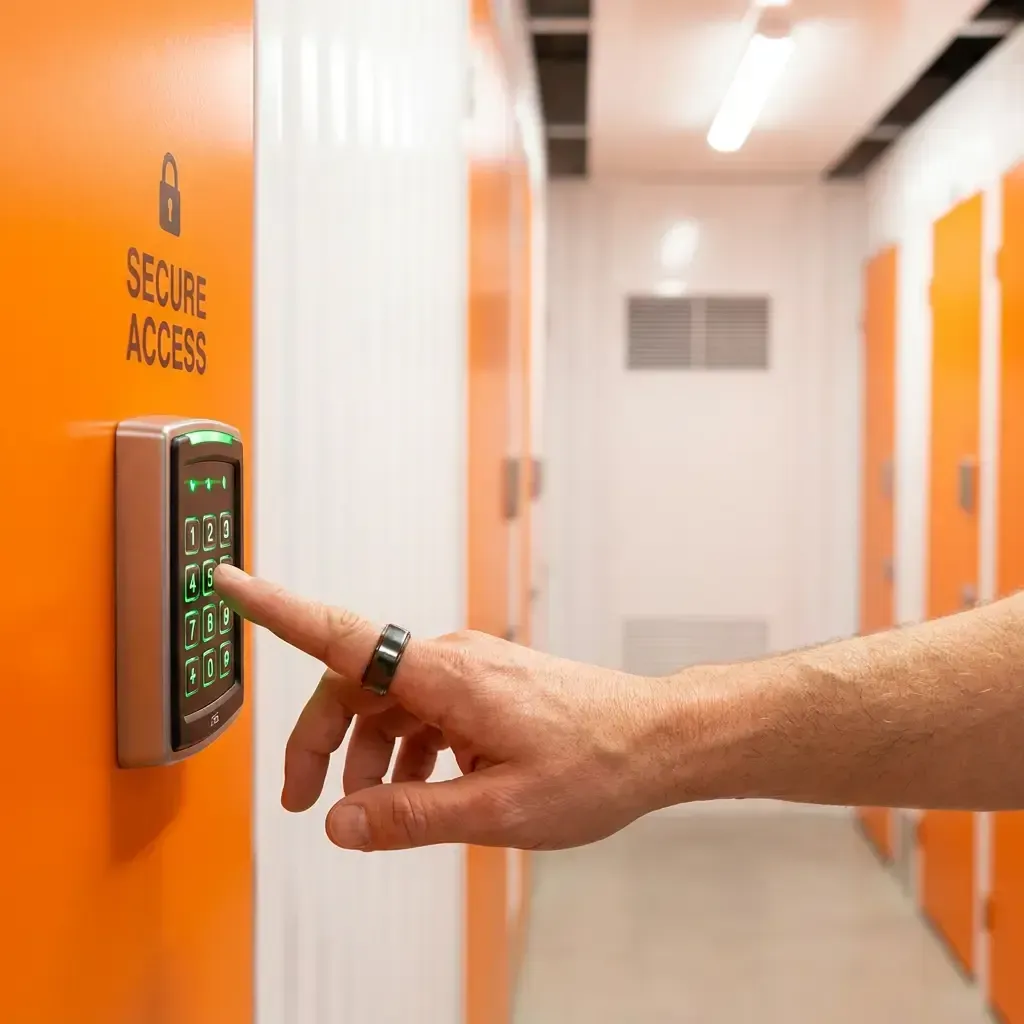
All four Montrose Self Storage locations feature 24/7 access with individual gate codes, allowing you to visit your unit any time while maintaining access records. Security cameras monitor common areas, and well-lit driveways deter unauthorized activity. Visit our facility photo gallery to see our security features firsthand.
The Golden Rules of Storage: Protecting Your Belongings
Regardless of which storage type you choose, following established storage best practices protects your belongings. The Institute of Inspection, Cleaning and Restoration Certification recommends these guidelines for long-term storage success.
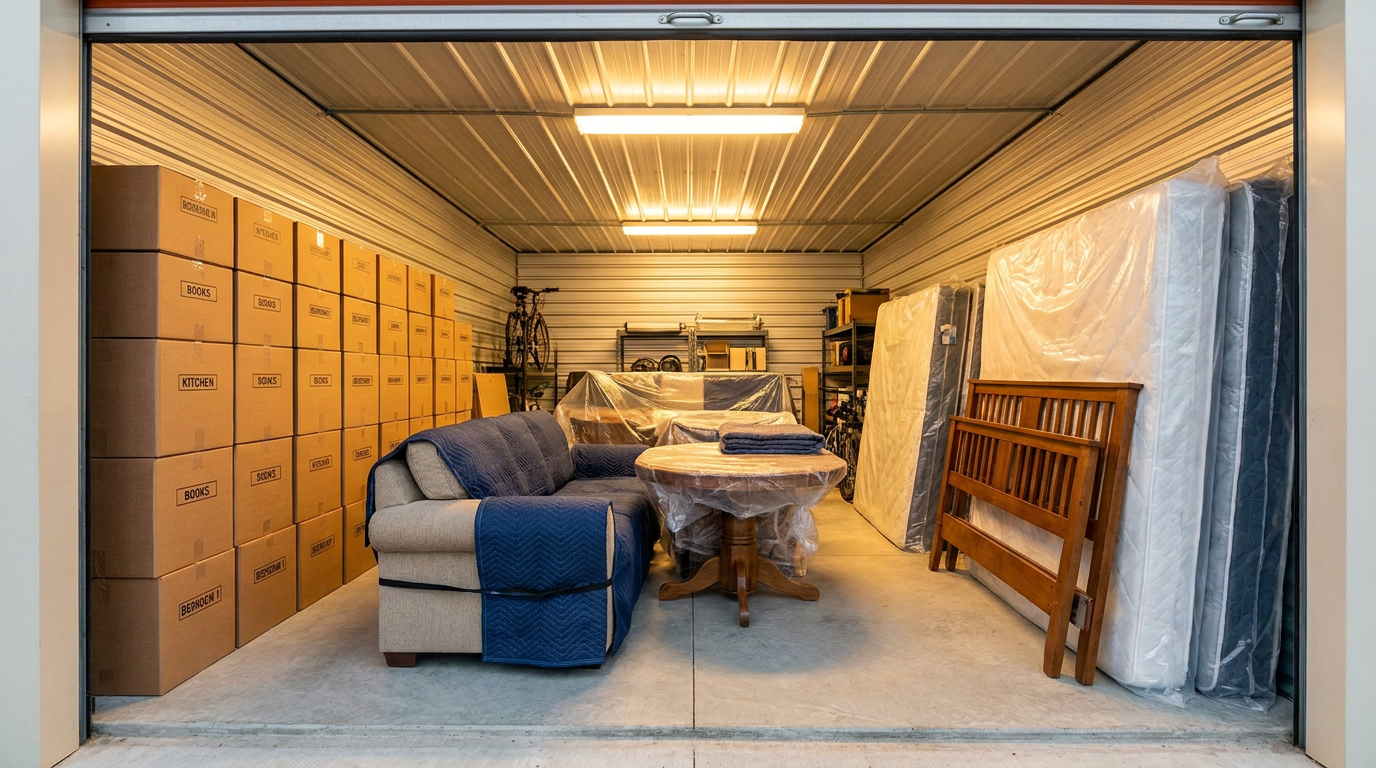
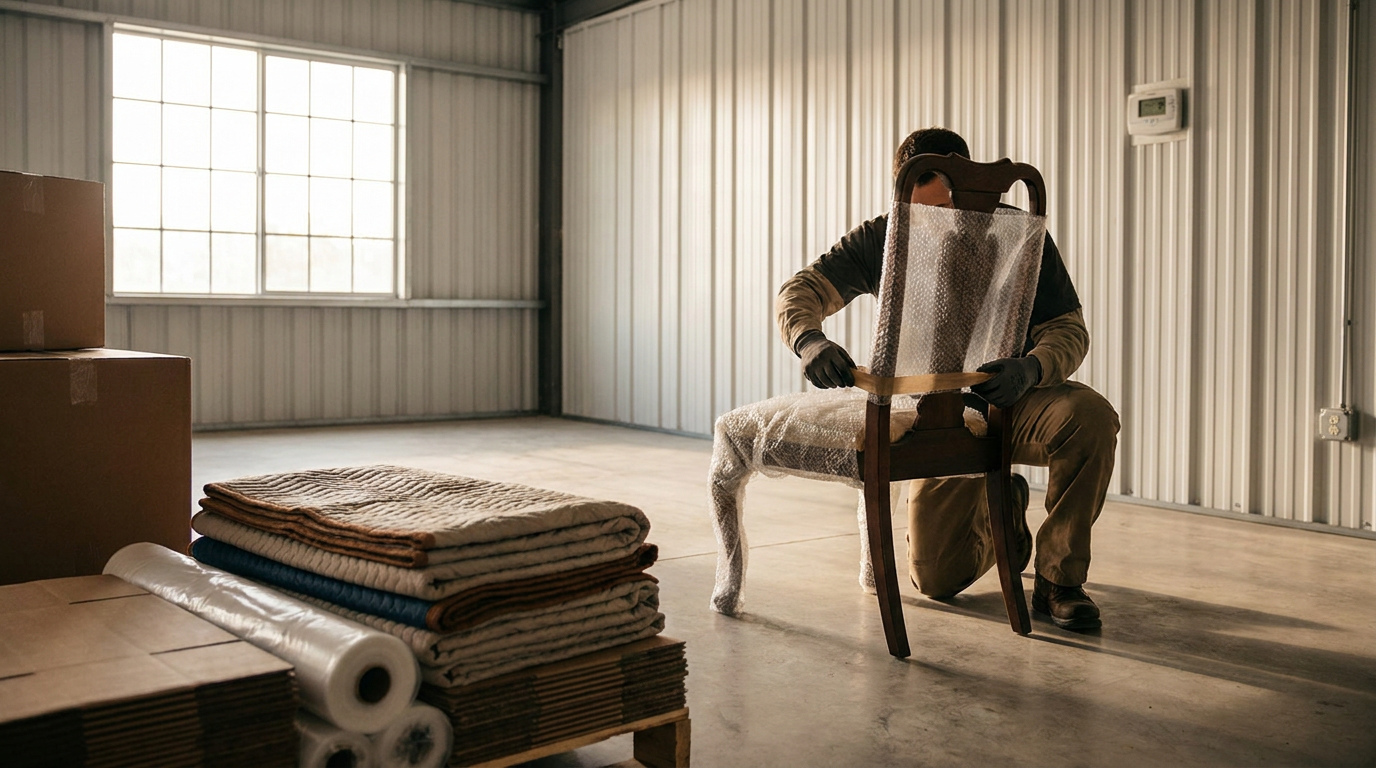
Rule 1: Clean everything before storing. Dirt, food residue, and moisture attract pests and promote mold growth. Wash fabrics, wipe down furniture, and ensure items are completely dry before placing them in storage.
Rule 2: Use appropriate containers. Plastic bins with tight-fitting lids protect against dust, moisture, and pests better than cardboard boxes. Reserve cardboard for items you will access within 3-6 months.
Rule 3: Create airflow. Place pallets or shelving beneath boxes to allow air circulation. Avoid pushing items directly against walls, leaving 2-3 inches of space around the perimeter.
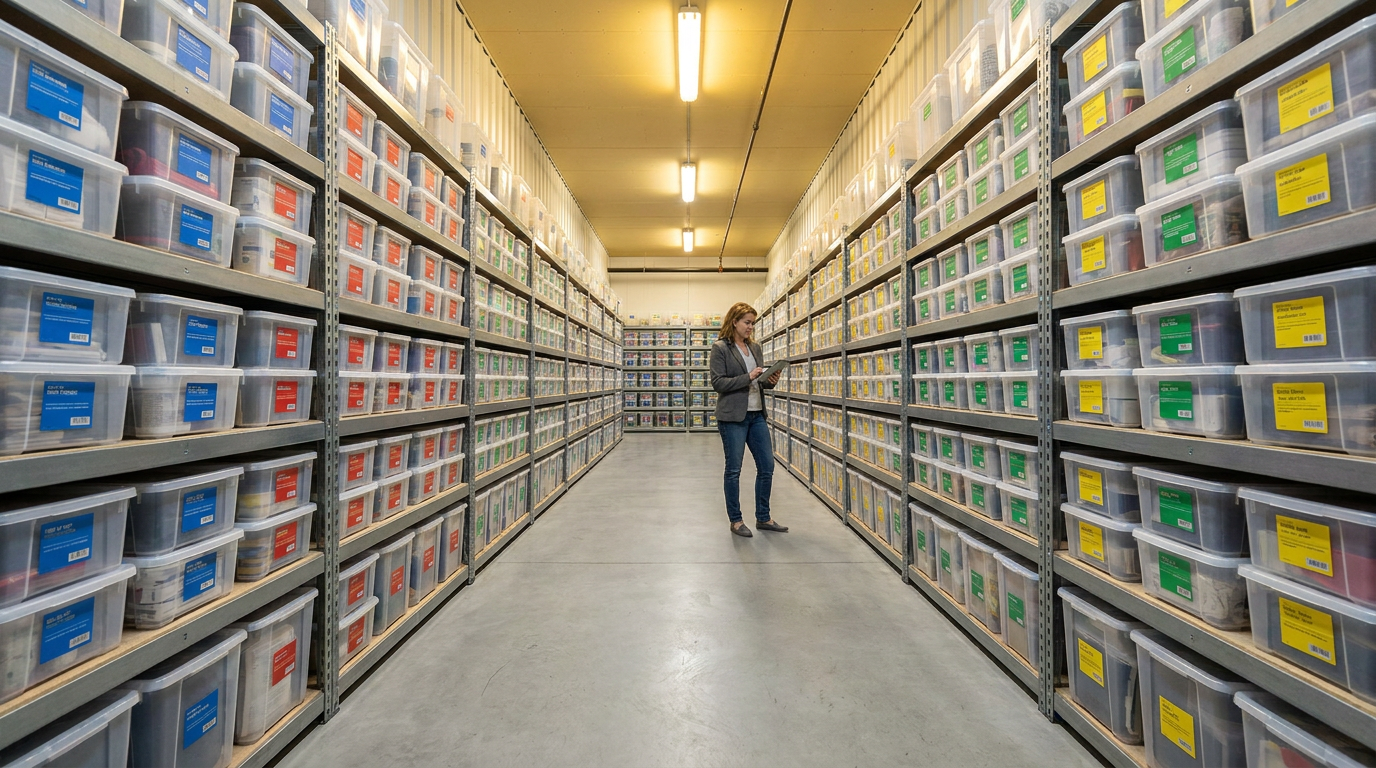
Rule 4: Inventory and label everything. Create a detailed list of stored items with box numbers. Label boxes on multiple sides so contents are visible regardless of stacking orientation.
Rule 5: Visit periodically. Check your unit every 2-3 months to identify potential issues before they cause damage. Look for signs of moisture, pests, or temperature-related problems.
Our storage unit size guide helps you estimate how much space you need and plan your unit layout effectively.
Are 10x10 Storage Units Actually 10x10?
Storage unit dimensions represent nominal measurements, not exact interior space. A unit advertised as 10x10 typically measures 9 feet 6 inches by 9 feet 10 inches, according to industry standards documented by the Self Storage Association. This provides approximately 93-98 square feet of actual floor space rather than the advertised 100 square feet.
Wall thickness, door frames, and construction variations account for the difference. The variance is consistent across the industry and factored into capacity estimates. A 10x10 unit still holds the contents of a one-bedroom apartment or 3-4 rooms of furniture as commonly advertised.
Ceiling height affects total storage capacity more than minor floor dimension variations. Standard units offer 8-foot ceilings, while some facilities provide 9-10 foot ceilings that increase cubic footage by 12-25%. Ask about ceiling height when comparing units, especially if you plan to stack items vertically.
Making Your Decision: A Practical Framework
Use this decision framework to determine which storage type fits your needs. Answer each question honestly, then tally your results.
Choose indoor climate-controlled storage if:
- You are storing items worth more than $5,000 total
- Your belongings include electronics, wood furniture, or documents
- You plan to store items longer than 6 months
- Temperature-sensitive items make up more than 30% of your storage
- You rarely need to access your unit (monthly or less)
Choose outdoor drive-up storage if:
- You need to load or unload heavy items regularly
- Your storage consists primarily of durable goods (tools, equipment, seasonal items)
- Budget is a primary concern
- You visit your unit weekly or more frequently
- You are storing vehicles, boats, or recreational equipment
Many renters benefit from a hybrid approach, using climate-controlled space for valuables and drive-up units for durable equipment. Our storage FAQ answers common questions about renting multiple units or changing unit types.
Frequently Asked Questions
Is an indoor storage unit better than an outdoor storage unit?
Indoor units provide better protection for temperature-sensitive items like electronics, documents, and wood furniture. Outdoor drive-up units offer superior convenience for heavy items and frequent access. Neither is universally better; the right choice depends on what you are storing and how often you need access.
Are outside storage units worth it?
Outside drive-up units are worth it when storing durable items that tolerate temperature variation. They cost 15-30% less than climate-controlled indoor units and save significant time when loading heavy furniture, equipment, or vehicles. For temperature-sensitive belongings, the savings may not justify the risk.
What should not be stored in outdoor storage units?
Avoid storing electronics, photographs, important documents, wooden musical instruments, leather goods, wine, medications, and candles in outdoor units. These items degrade when exposed to temperature extremes common in non-climate-controlled spaces. According to Airport Super Storage's comparison guide, items with plastic components can also warp or become brittle in extreme heat or cold.
How much does climate-controlled storage cost compared to regular storage?
Climate-controlled storage typically costs 20-50% more than standard outdoor units. In Montrose, a 10x10 indoor unit runs $119-154 per month, while comparable drive-up units range from $62-165 depending on location and promotions. The price premium reflects HVAC costs and building construction expenses.
Can I store a car in an outdoor storage unit?
Yes, outdoor drive-up units with dimensions of 10x20 or larger accommodate most vehicles. A 10x25 unit provides additional space for opening doors and walking around the vehicle. Vehicle storage works well in drive-up units because cars are designed to withstand outdoor temperature variations.
Local Storage Options in Montrose, Colorado
Montrose Self Storage operates four facilities across the Montrose area, offering both indoor climate-controlled and outdoor drive-up options. As a locally owned and operated company, we serve residents throughout the Western Slope, including Telluride, Ridgway, Ouray, Delta, and surrounding communities.
Our N 9th Street location specializes in climate-controlled and indoor storage, while Spring Creek, Fruit Park, and W Main Street facilities offer drive-up convenience with current promotional pricing. All locations feature 24/7 access, month-to-month leases, and no deposit required.
Not sure which option fits your needs? Contact our team at (970) 249-5511 for personalized recommendations based on what you are storing and how long you need the space.
|