Items That Should Never Go in Non-Climate Controlled Storage |
| WHAT ITEMS SHOULD NEVER GO IN NON-CLIMATE CONTROLLED STORAGE?
⏱ 12 min read ·
📄 #2,210 words
Learn which belongings require climate-controlled storage to prevent damage from heat, cold, and humidity. Complete guide with item categories and alternatives.
|
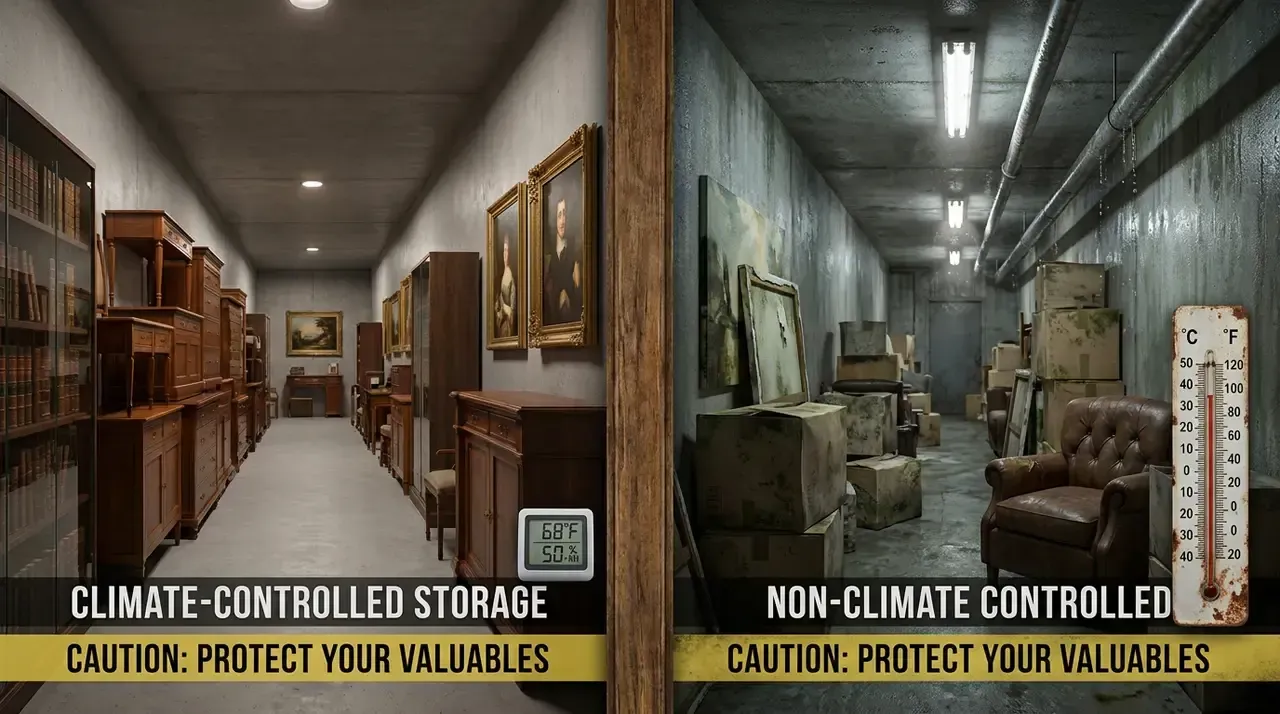
E lectronics, photographs, wooden furniture, leather goods, musical instruments, important documents, and artwork should never go in non-climate controlled storage. These items suffer permanent damage when exposed to temperature swings between 32°F and 100°F or humidity levels above 55%, conditions common in standard storage units throughout Colorado's Western Slope.
| Key Points: | |
|---|---|
| • | Climate-controlled units maintain 55 to 80°F year-round, preventing warping, mold, and corrosion |
| • | Paper items like photos and documents can develop mold within 48 to 72 hours at humidity above 60% |
| • | Electronics experience internal condensation damage when temperatures fluctuate more than 20°F in 24 hours |
| • | Wood furniture can crack or warp permanently after just one season in uncontrolled storage |
| • | Climate-controlled storage costs $71 to $150 per month in Montrose, a small price for protecting valuables |
Why Non-Climate Controlled Storage Damages Certain Items
Standard storage units lack temperature and humidity regulation, exposing contents to environmental extremes. In Montrose County, summer temperatures regularly exceed 90°F while winter lows drop below 20°F. According to PODS storage research, these temperature swings cause materials to expand and contract repeatedly, leading to structural failure over time.
Humidity poses an equally serious threat. The Western Slope experiences rapid humidity changes during monsoon season (July through September) and spring snowmelt. When relative humidity exceeds 55%, moisture penetrates porous materials like wood, fabric, and paper. This creates ideal conditions for mold growth, which can begin colonizing surfaces within 48 hours.
The combination of heat and humidity accelerates chemical degradation. Plastics become brittle, adhesives fail, and metal components corrode. Items that survive one summer in non-climate controlled storage often show significant deterioration by the second year.
Complete List of Items Requiring Climate Control
Understanding which categories of belongings need protection helps you make informed storage decisions. The following items should always go in climate-controlled units, particularly if stored longer than 30 days.
Electronics and Technology
Computers, televisions, gaming consoles, printers, and audio equipment contain sensitive circuit boards and components. According to Surewise storage insurance research, internal condensation forms when electronics move between temperature extremes, causing corrosion that may not appear until you power the device on months later.
Smartphones, tablets, and laptops have lithium-ion batteries that degrade rapidly in heat above 95°F. Extended exposure can cause battery swelling, reduced capacity, or complete failure. Store these devices in climate-controlled conditions with batteries charged to 50%.
Photographs, Documents, and Paper Items
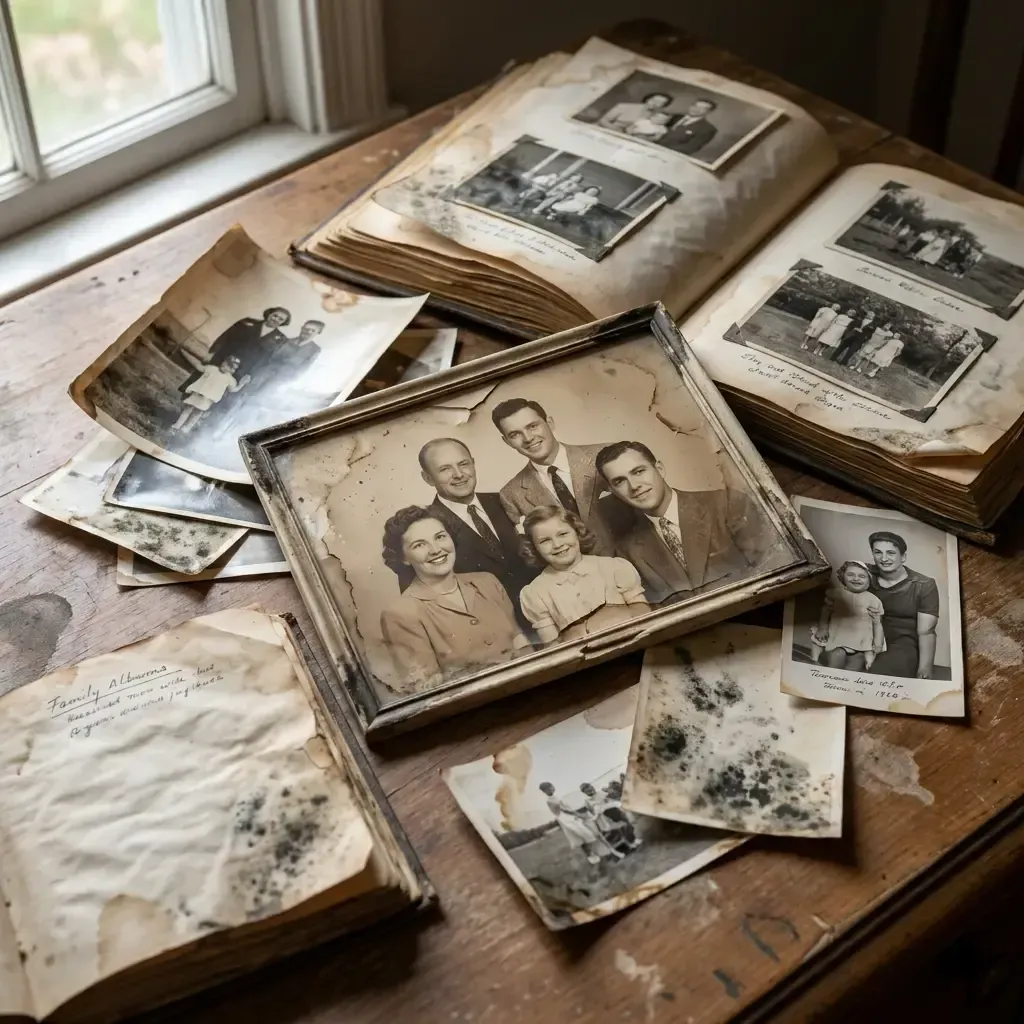
Family photos, legal documents, tax records, books, and artwork on paper are extremely vulnerable to humidity damage. Paper fibers absorb moisture from the air, causing warping, yellowing, and foxing (brown spots). Photo emulsions can stick together permanently when humidity exceeds 65%.
The Library of Congress recommends storing paper items at temperatures between 65°F and 70°F with relative humidity between 30% and 40%. Standard storage units cannot maintain these conditions, making climate control essential for irreplaceable documents and photographs.
Wooden Furniture and Antiques
Solid wood furniture, antiques, and heirloom pieces respond dramatically to humidity changes. Wood absorbs and releases moisture as environmental conditions shift, causing expansion and contraction that leads to cracking, warping, and joint failure.
Veneer and laminate furniture face additional risks. The adhesives holding surface layers to substrates can fail in heat above 90°F, causing bubbling, peeling, and delamination. Antique furniture with original finishes may develop checking (fine surface cracks) after a single season in uncontrolled storage.
Leather and Fabric Items
Leather furniture, jackets, bags, and shoes require consistent humidity to maintain flexibility. In dry conditions, leather loses natural oils and becomes brittle. In humid conditions, leather absorbs moisture and develops mold or mildew, often within 2 to 3 weeks.
Upholstered furniture, mattresses, clothing, and linens face similar challenges. Fabric fibers trap humidity, creating environments where mold spores thrive. Once mold penetrates fabric, complete removal is often impossible without professional remediation costing $200 to $500 or more.
Musical Instruments
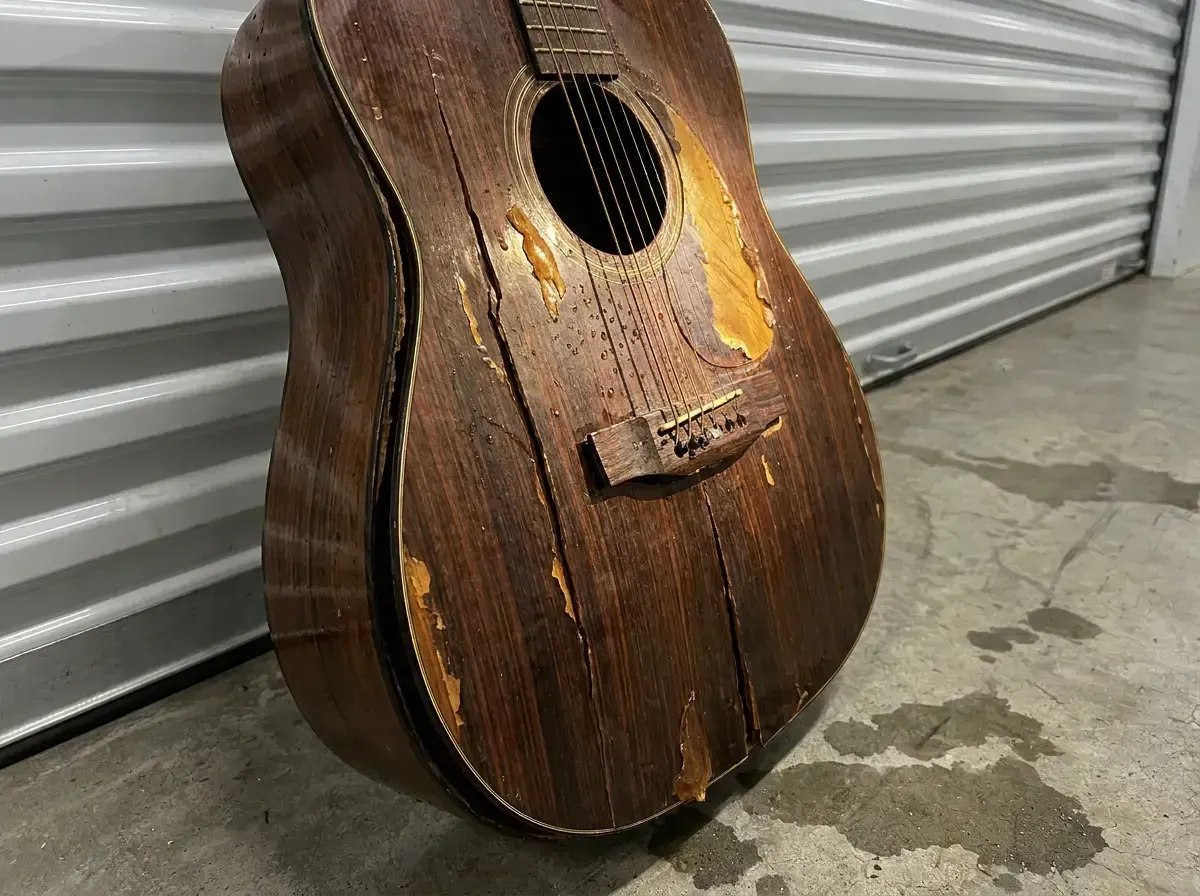
Guitars, violins, pianos, brass instruments, and woodwinds are engineered to precise tolerances that humidity and temperature changes disrupt. The Smithsonian Institution's Museum Conservation Institute recommends storing instruments at 45% to 55% relative humidity and 65°F to 75°F.
Acoustic instruments with wooden bodies are particularly sensitive. A guitar stored in non-climate controlled conditions can develop neck warping, bridge lifting, or soundboard cracks within one season. Repair costs typically range from $150 for minor adjustments to $1,000 or more for structural repairs.
Artwork and Collectibles
Paintings, prints, sculptures, and collectibles require stable environments. Oil paintings can crack when canvas expands and contracts. Watercolors and prints on paper face the same humidity risks as documents. According to the American Institute for Conservation, artwork should be stored at temperatures between 65°F and 75°F with humidity between 45% and 55%.
Vinyl records, vintage magazines, comic books, stamps, and coins all require climate control. Vinyl warps at temperatures above 85°F. Paper collectibles yellow and become brittle. Metal coins can develop corrosion or toning that reduces collector value by 30% to 70%.
Climate Controlled vs. Non-Climate Controlled Storage Comparison
Understanding the specific differences between storage types helps you match your belongings to appropriate conditions. The following comparison outlines key factors affecting your decision.
| Factor | Climate Controlled | Non-Climate Controlled |
|---|---|---|
| Temperature Range | 55°F to 80°F year-round | 20°F to 100°F+ (varies with outdoor conditions) |
| Humidity Control | Maintained at 30% to 50% | Uncontrolled (10% to 90%+ depending on weather) |
| Monthly Cost (10x10) | $119 to $150 in Montrose | $62 to $165 in Montrose |
| Best For | Electronics, documents, wood, leather, instruments | Metal tools, outdoor equipment, seasonal decorations |
| Storage Duration | Safe for months to years | Best for short-term (under 3 months) |
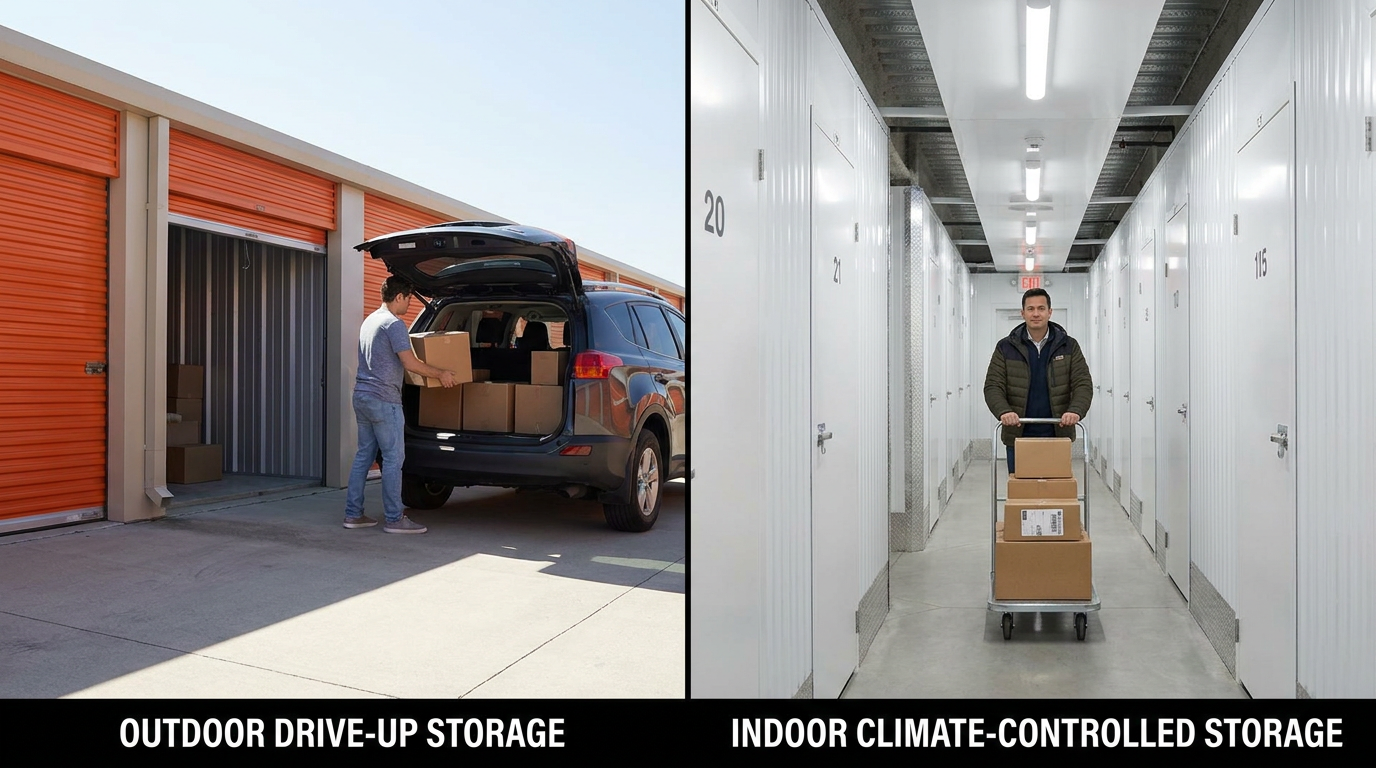
| Unit Location | Indoor, building-enclosed | Outdoor drive-up or indoor without HVAC |
Items Safe for Non-Climate Controlled Storage
Not everything requires climate control. Many household items store safely in standard units, helping you save money while protecting what matters most. The following categories typically tolerate temperature and humidity fluctuations without significant damage.
Metal items: Hand tools, lawn equipment, bicycles, and metal shelving resist humidity damage when properly cleaned and lightly oiled before storage. Stainless steel and aluminum items are particularly durable.
Outdoor and sporting equipment: Camping gear, fishing equipment, golf clubs, and exercise machines designed for outdoor use can handle temperature swings. Remove batteries from any electronic components first.
Seasonal decorations: Plastic holiday decorations, artificial trees, and outdoor lights store well in standard units. Glass ornaments should be packed carefully but do not require climate control.
Kitchenware: Pots, pans, dishes, and non-electronic appliances tolerate temperature changes. Avoid storing anything with rubber gaskets or seals long-term, as these can degrade in heat.
Western Slope Climate Considerations
Montrose County's high-desert climate creates specific storage challenges that differ from Front Range or coastal locations. Understanding local conditions helps you protect belongings appropriately.
Summer temperatures in Montrose regularly reach 90°F to 100°F from June through August. Inside a non-climate controlled metal storage unit, temperatures can exceed 120°F during peak afternoon hours. This extreme heat accelerates degradation of plastics, adhesives, and electronic components.
Winter brings different challenges. Overnight lows frequently drop below 20°F from December through February, with occasional dips below 0°F. Items containing liquids (even residual moisture in electronics) can freeze and crack. The daily temperature swing between freezing nights and sunny 40°F afternoons creates repeated expansion and contraction cycles.
Monsoon season (July through September) brings sudden humidity spikes. Relative humidity can jump from 20% to 70% within hours during afternoon thunderstorms. This rapid change is particularly damaging to wood and paper items that absorb moisture quickly.
How to Protect Items in Any Storage Environment
Proper preparation extends the safe storage duration for all items, regardless of climate control. These techniques provide additional protection layers for your belongings.
Packing Materials and Techniques
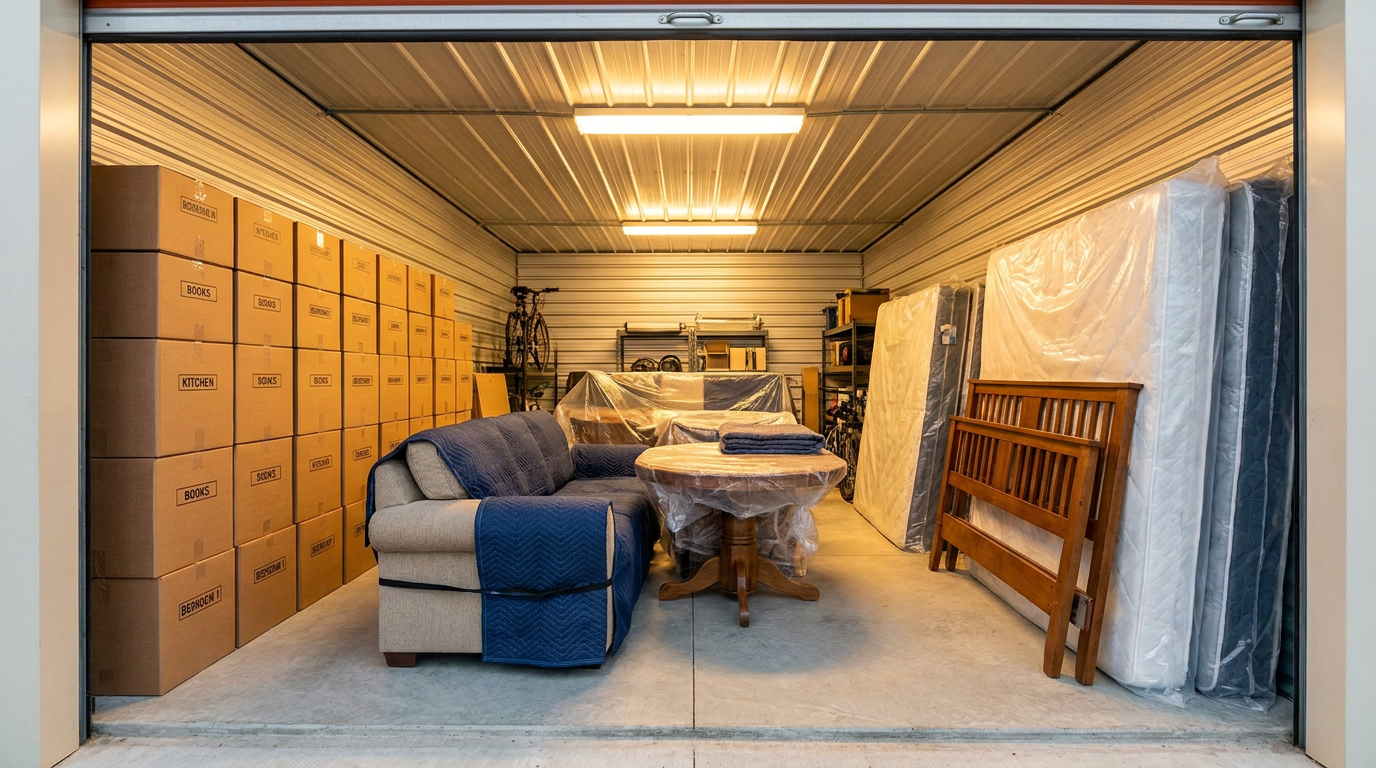
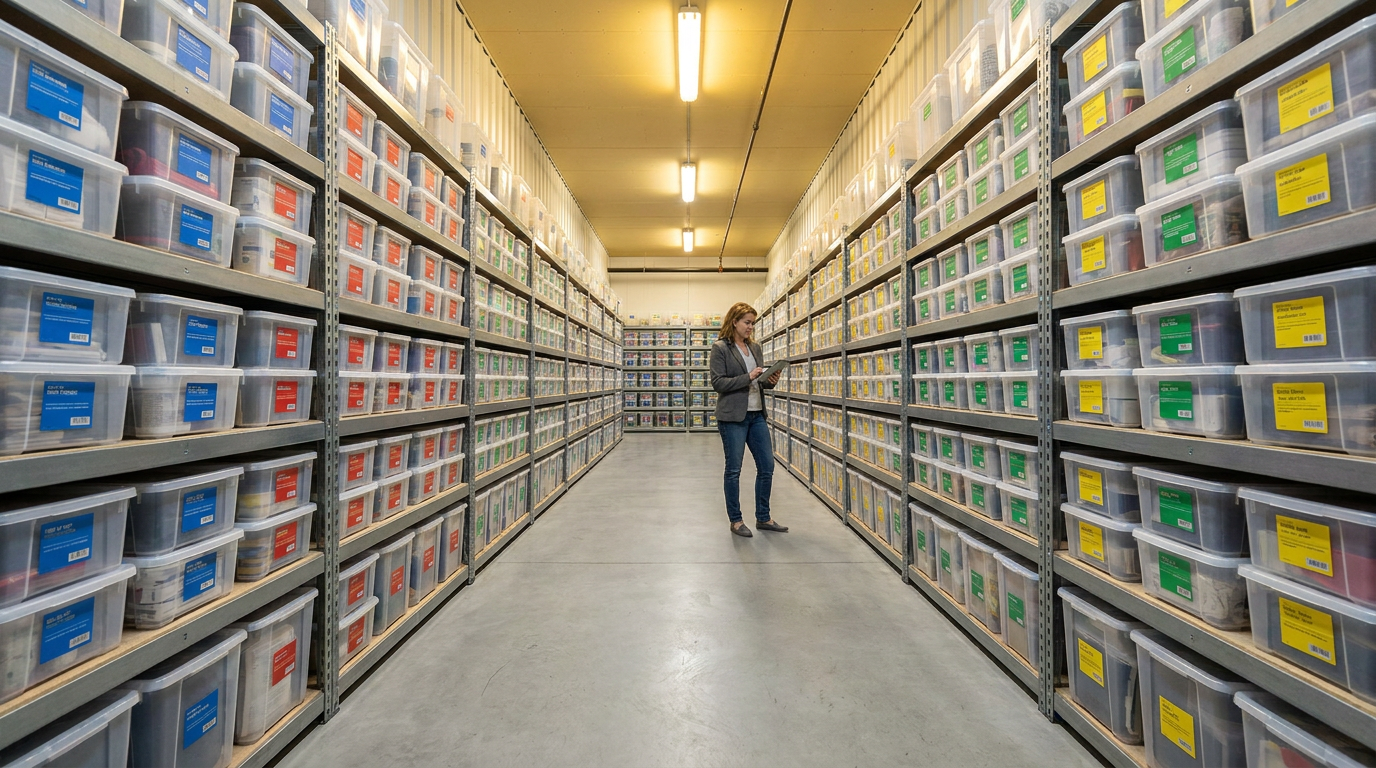
Use plastic bins with tight-fitting lids instead of cardboard boxes for humidity-sensitive items. Cardboard absorbs moisture and can transfer it to contents. Place silica gel packets (available at hardware stores for $10 to $20 per pound) inside containers to absorb excess humidity.
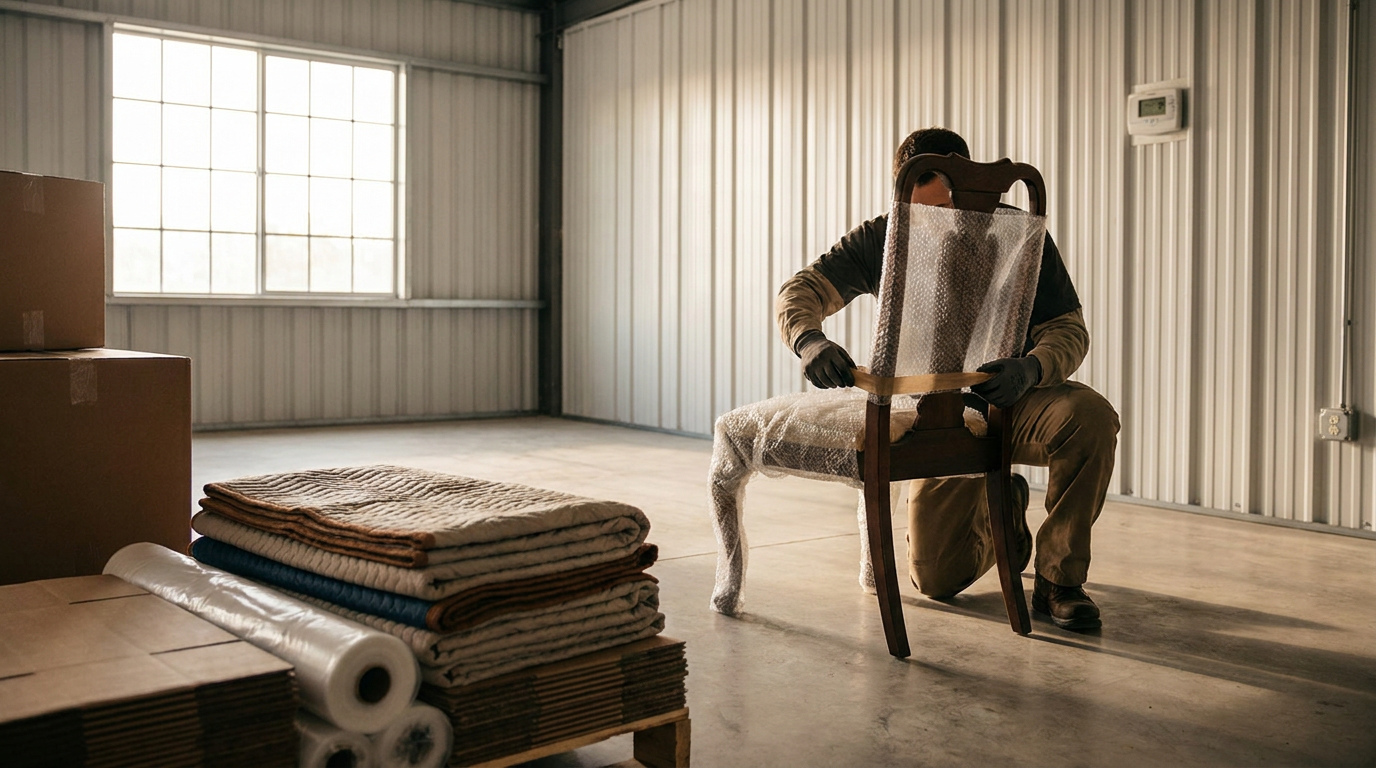
Wrap furniture in moving blankets rather than plastic sheeting. Plastic traps moisture against surfaces, promoting mold growth. Blankets allow air circulation while protecting against dust and scratches.
Elevate items off concrete floors using pallets or shelving. Concrete wicks moisture from the ground, and items in direct contact can absorb this moisture over time. Even 4 inches of elevation significantly reduces this risk.
Unit Selection and Preparation
Choose interior units over exterior-access units when climate control is not available. Interior units benefit from building insulation, experiencing smaller temperature swings than exterior units exposed to direct sunlight.
Inspect units before renting. Look for signs of water intrusion, pest activity, or inadequate sealing around doors. A well-maintained unit provides better protection regardless of climate control status.
Visit your unit periodically (monthly for valuable items) to check for moisture, pest activity, or other problems. Early detection prevents minor issues from becoming major damage.
Cost Analysis: Climate Control vs. Replacement
The monthly premium for climate-controlled storage often represents a fraction of potential replacement costs. Consider these comparisons when making your decision.
A quality leather sofa costs $1,500 to $4,000 to replace. Climate-controlled storage for 12 months adds approximately $600 to $1,200 to your storage costs. Mold damage to leather furniture typically requires professional cleaning ($200 to $400) or complete replacement.
Family photo collections are irreplaceable at any price. Professional photo restoration costs $50 to $500 per image for humidity-damaged photographs. A year of climate-controlled storage for a small unit containing photo albums costs approximately $850.
Musical instruments demonstrate similar economics. A mid-range acoustic guitar ($500 to $1,500) can require $300 to $800 in repairs after humidity damage. The annual cost difference between climate-controlled and standard storage is typically $300 to $600.
When to Choose Climate Controlled Storage
Several factors beyond item type influence whether climate control is necessary. Duration, value, and replaceability all affect the right choice for your situation.
Storage duration exceeds 3 months: Short-term storage during mild weather (spring or fall) may not require climate control. Longer periods increase exposure to seasonal extremes.
Items have sentimental value: Heirlooms, family photographs, and inherited furniture cannot be replaced. Climate control provides peace of mind for irreplaceable items.
Total item value exceeds $5,000: When stored items have significant monetary value, the climate control premium represents insurance against loss.
Items will be sold or gifted: Furniture, electronics, and collectibles intended for resale or gifts should maintain condition. Climate control preserves value.
Climate Controlled Storage Options in Montrose
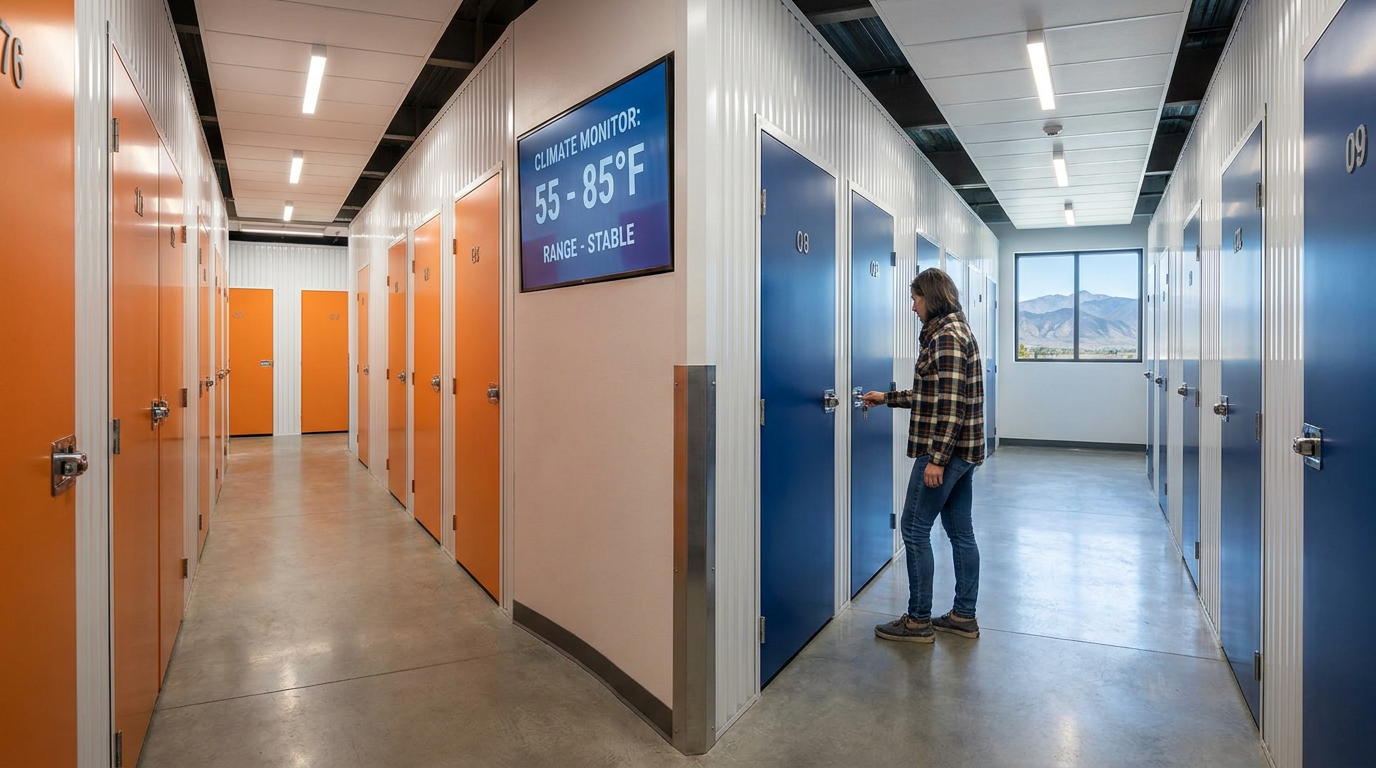
Montrose Self Storage offers climate-controlled units at the N 9th Street facility, with options starting at $71 per month for compact 4x5 units. Larger 10x10 interior units provide 100 square feet of protected space for $119 per month, suitable for one-bedroom apartment contents including furniture, electronics, and documents.
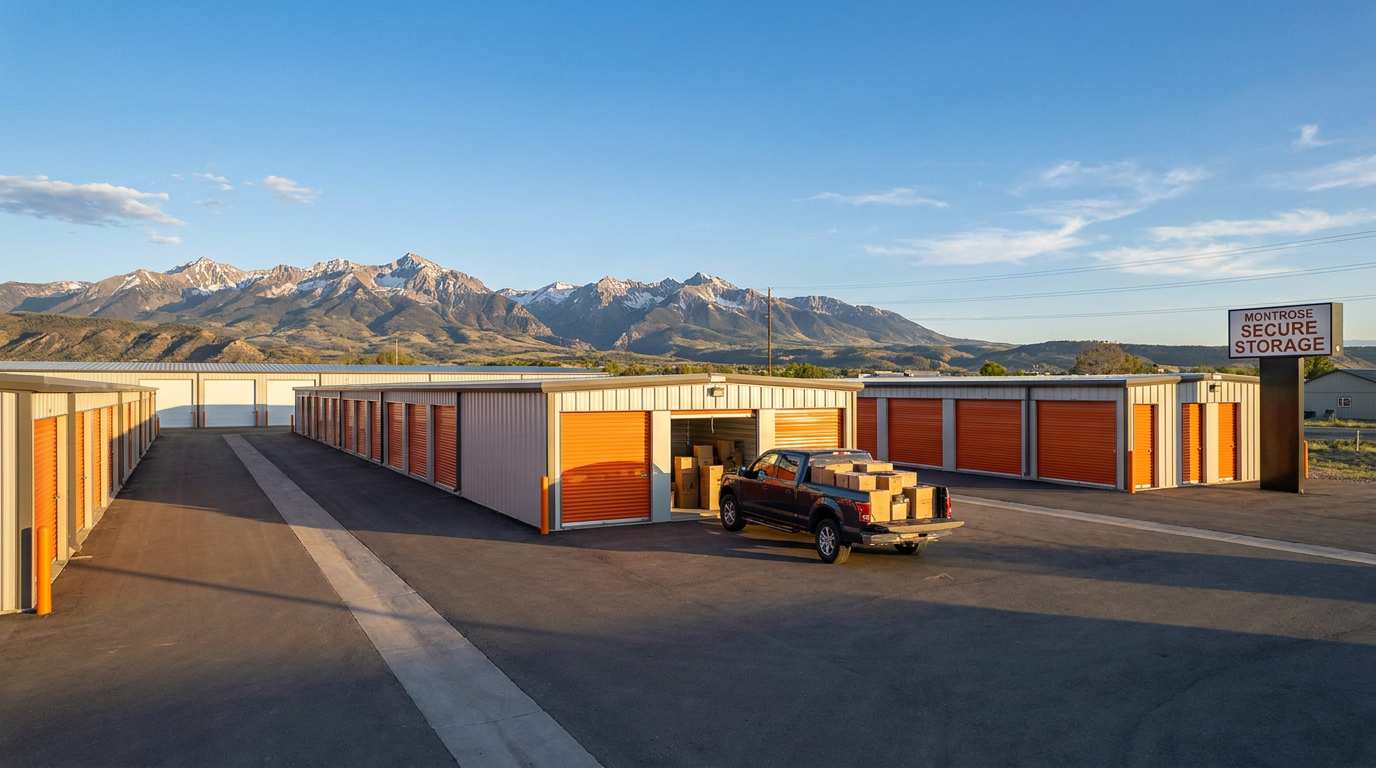
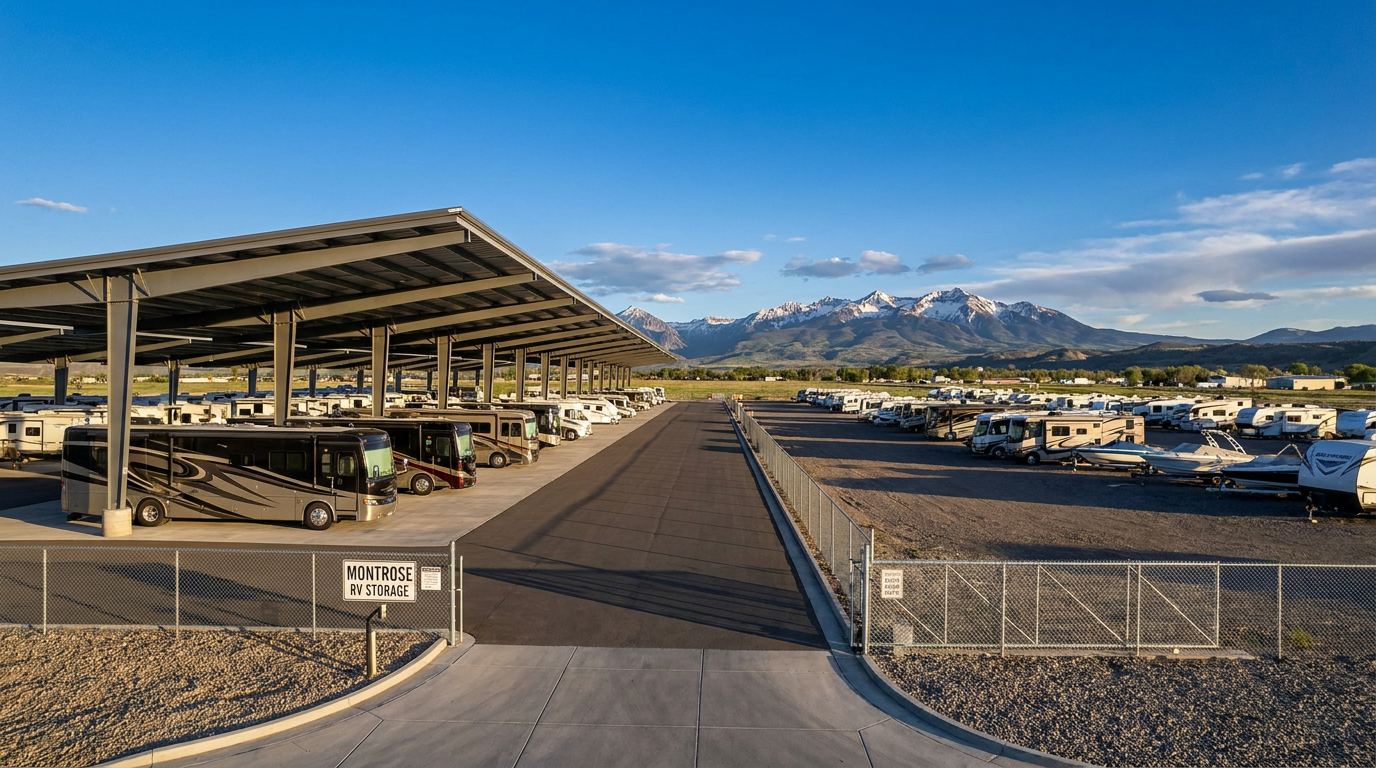
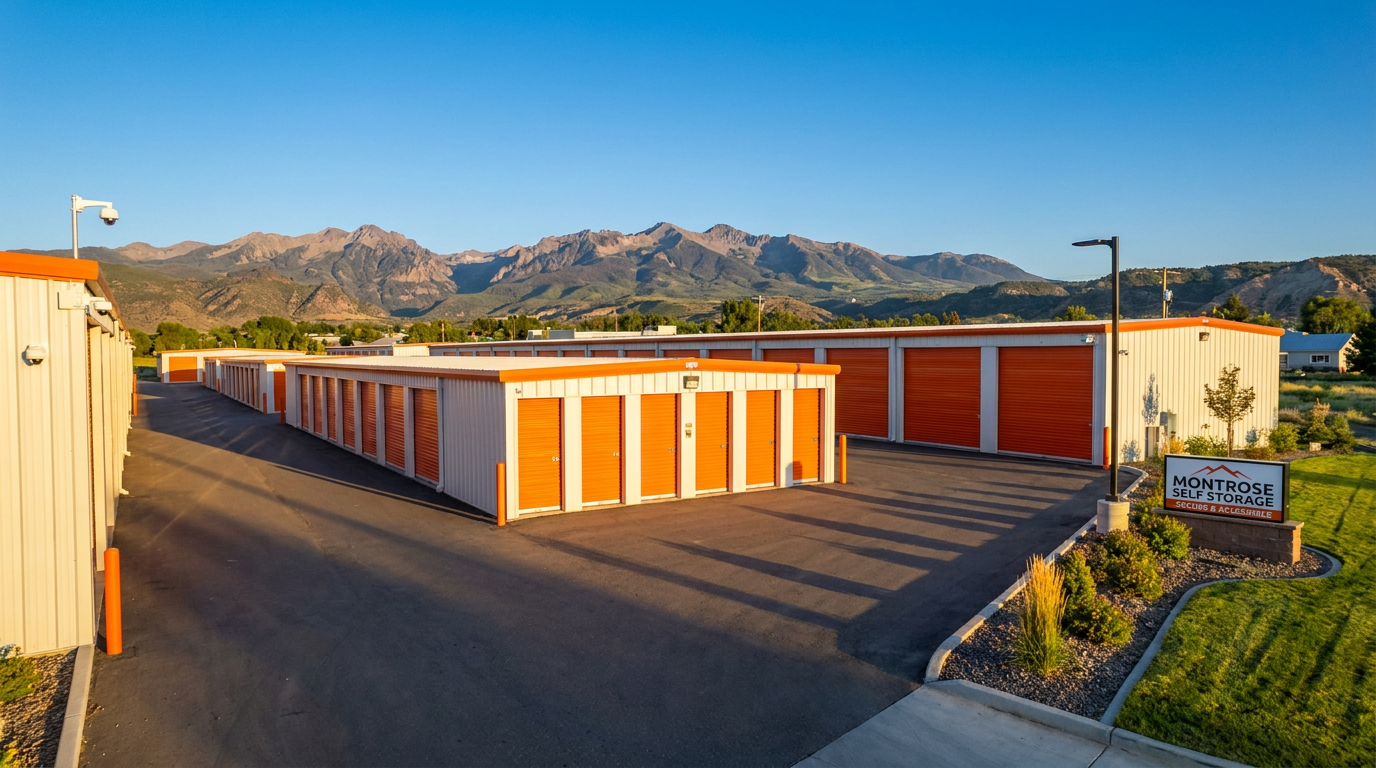
For items that do not require climate control, four Montrose locations offer drive-up outdoor units with convenient loading access. The Spring Creek facility currently offers 50% off select units, with 10x10 drive-up storage available at $62 per month.
Not sure which option fits your needs? The storage unit size guide helps match your belongings to appropriate unit dimensions. For questions about specific items or storage recommendations, contact the Montrose Self Storage team by phone at (970) 249-5511 or email.
Frequently Asked Questions
Can you store electronics in a non-climate controlled unit?
Electronics should not be stored in non-climate controlled units for more than 30 days. Temperature fluctuations cause internal condensation that corrodes circuit boards and components. Lithium-ion batteries degrade rapidly in heat above 95°F. If short-term storage is unavoidable, remove batteries and wrap electronics in moisture-absorbing materials.
Is furniture safe in non-climate controlled storage?
Metal and plastic furniture tolerates non-climate controlled storage well. Wood, leather, and upholstered furniture require climate control to prevent warping, cracking, mold growth, and fabric degradation. Particle board and laminate furniture is particularly vulnerable to humidity damage.
Do photos and documents need climate control?
Yes. Paper items are among the most humidity-sensitive belongings. Photos can stick together permanently at humidity levels above 65%. Documents yellow, warp, and develop mold. The Library of Congress recommends storage at 65°F to 70°F with 30% to 40% relative humidity, conditions only climate-controlled units can maintain.
What is the difference between climate-controlled and non-climate controlled storage?
Climate-controlled units maintain temperatures between 55°F and 80°F with humidity between 30% and 50% year-round using HVAC systems. Non-climate controlled units have no temperature or humidity regulation, experiencing conditions that mirror outdoor weather. The monthly cost difference is typically $20 to $50 for comparable unit sizes.
How do you pack items for non-climate controlled storage?
Use plastic bins with tight lids instead of cardboard. Add silica gel packets to absorb moisture. Wrap furniture in breathable moving blankets, not plastic. Elevate items 4 inches off concrete floors using pallets. Clean and lightly oil metal items before storage. Visit monthly to check conditions.
Is it safe to store musical instruments in a storage unit?
Musical instruments require climate-controlled storage. Wood instruments (guitars, violins, pianos) are engineered to precise tolerances that humidity changes disrupt. The Smithsonian recommends 45% to 55% relative humidity and 65°F to 75°F for instrument storage. Non-climate controlled conditions can cause warping, cracking, and structural damage requiring $150 to $1,000+ in repairs.
|